Orcas & Whales
Arctic vs. Antarctic Orcas
Same Species, Different Worlds
Orcas are one of the most widespread species on the planet and can be found in all of the world’s major oceans. They are the same species, Orcinus orca, but live in very different worlds. These magnificient creatures may not need an introduction but they do need an explanation. Waterproof Expeditions’ Elizabeth Robinson shares her knowledge.
I consider myself to be very lucky to have seen orcas both in the Arctic and the Antarctic. Although they all look very similar at first glance, several factors can further explain how maybe they aren’t so closely related to their cousins on the other side of the globe. Let’s dive deep into the difference between Arctic vs. Antarctic orcas.
Orca Ecotypes
Scientists use different words for different wildlife in an attempt to separate groups of the same species throughout the world. For example, with humpback whales we talk about them as ‘distinct population segments’ and with orcas, the groups are called ‘ecotypes‘.
Many have probably already seen this nice overview from the National Oceanic and Atmospheric Administration (NOAA), showing the 10 different orca ecotypes of which 5 in the Northern Hemisphere and 5 in the Southern Hemisphere.
These ecotypes can change with current research findings, something that particularly relevant for our North Atlantic ecotype(s)! Did you check the hint there? Keep reading!
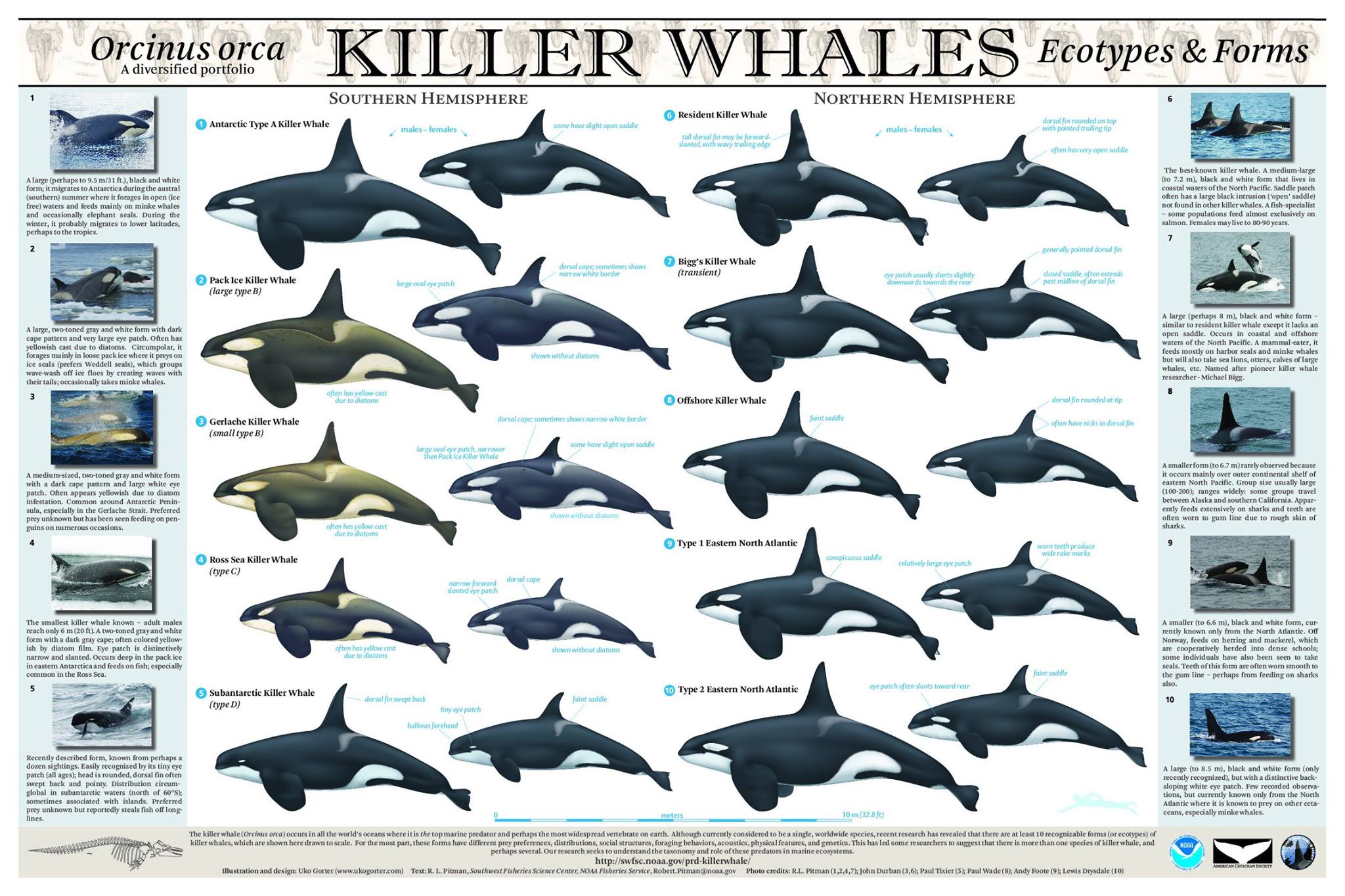
Northern & Southern Hemipshere Orca Ecotypes
- Northern Hemisphere:
- North Pacific: Resident, Transients (Bigg’s) & Offshore
- North Atlantic: Type 1 & Type 2
- Southern Hemisphere:
- Type A: Antarctic
- Type B: Pack Ice & Gerlache
- Type C: Ross Sea
- Type D: Subantarctic
North Pacific Orcas
Before we go further in depth about the Arctic and Antarctic ecotypes, let’s have a quick look at the other types, starting with the North Pacific! I started my cetacean career in the Salish Sea as an orca research assistant back in 2015. There, we had three ecotypes in the surrounding areas: Residents, Transients (Bigg’s), and Offshore. The ecotype we focused on was the southern residents, an endangered population with only 73 individuals remaining. Click here to read more about the North Pacific orca ecotypes.
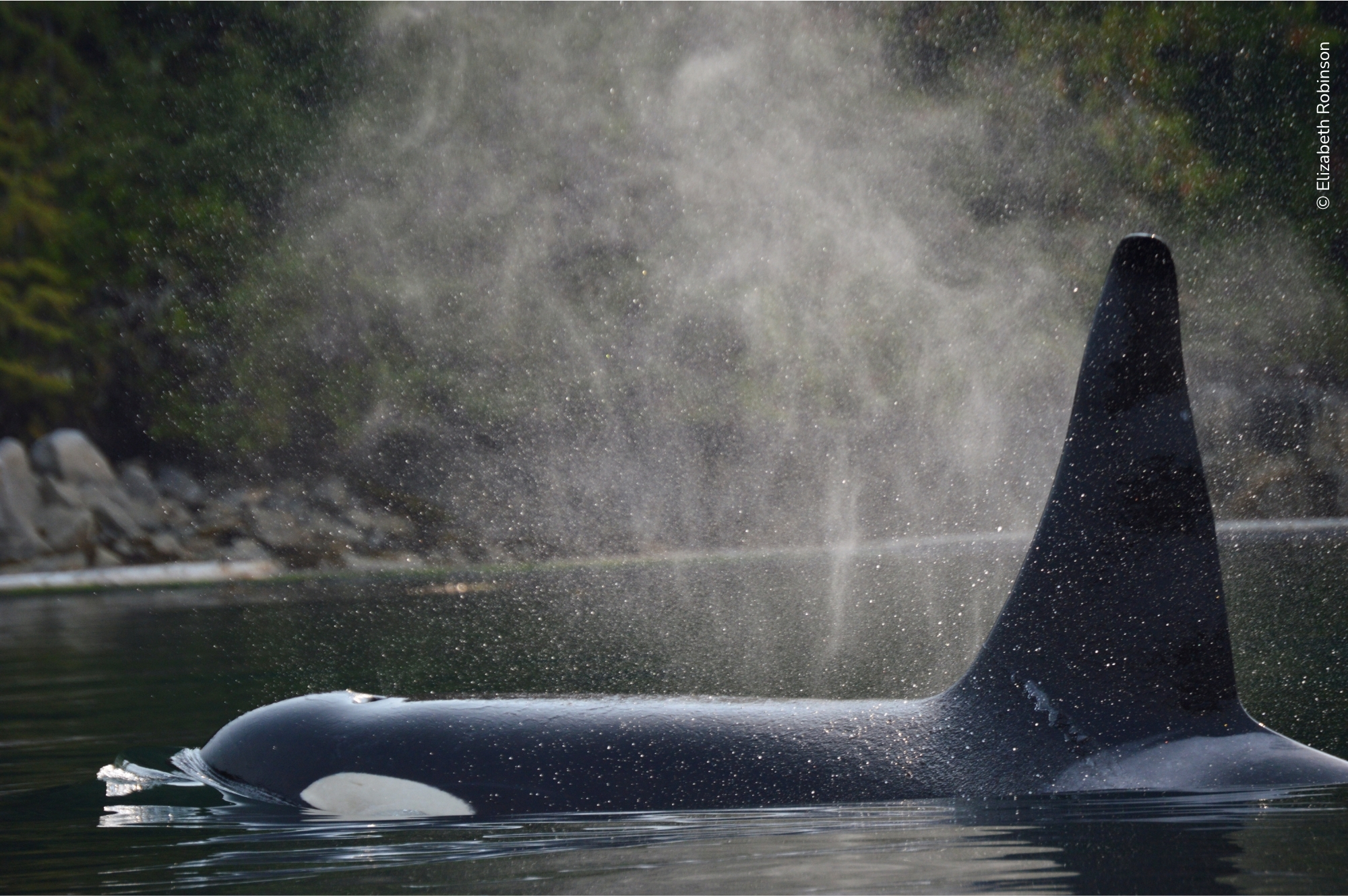
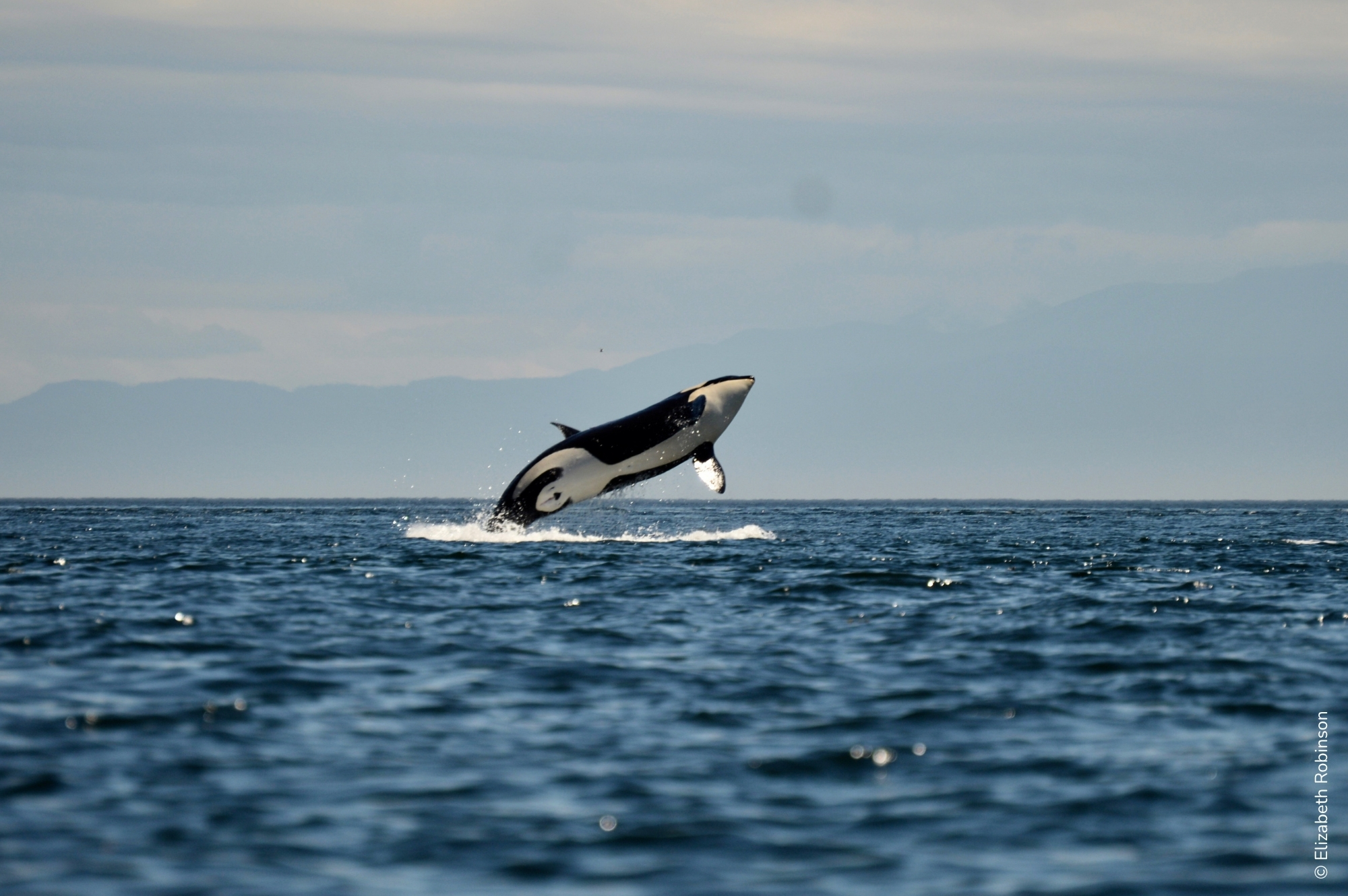
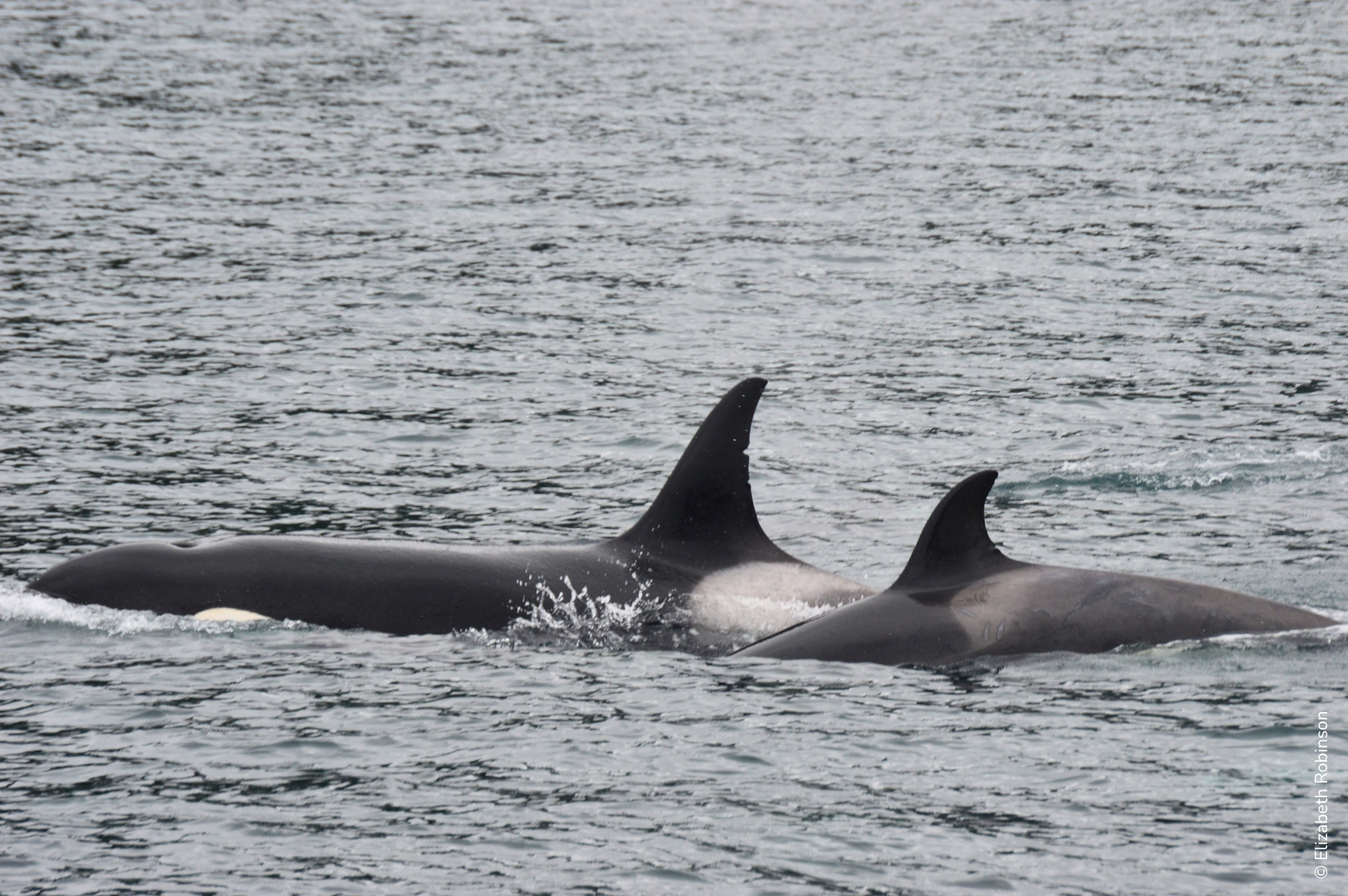
Here are some of my favourite North Pacific orca photos from five years spent on the water with them! I have included three different resident groups: Southern, Northern, and Alaskan.
Orcas of the Antarctic
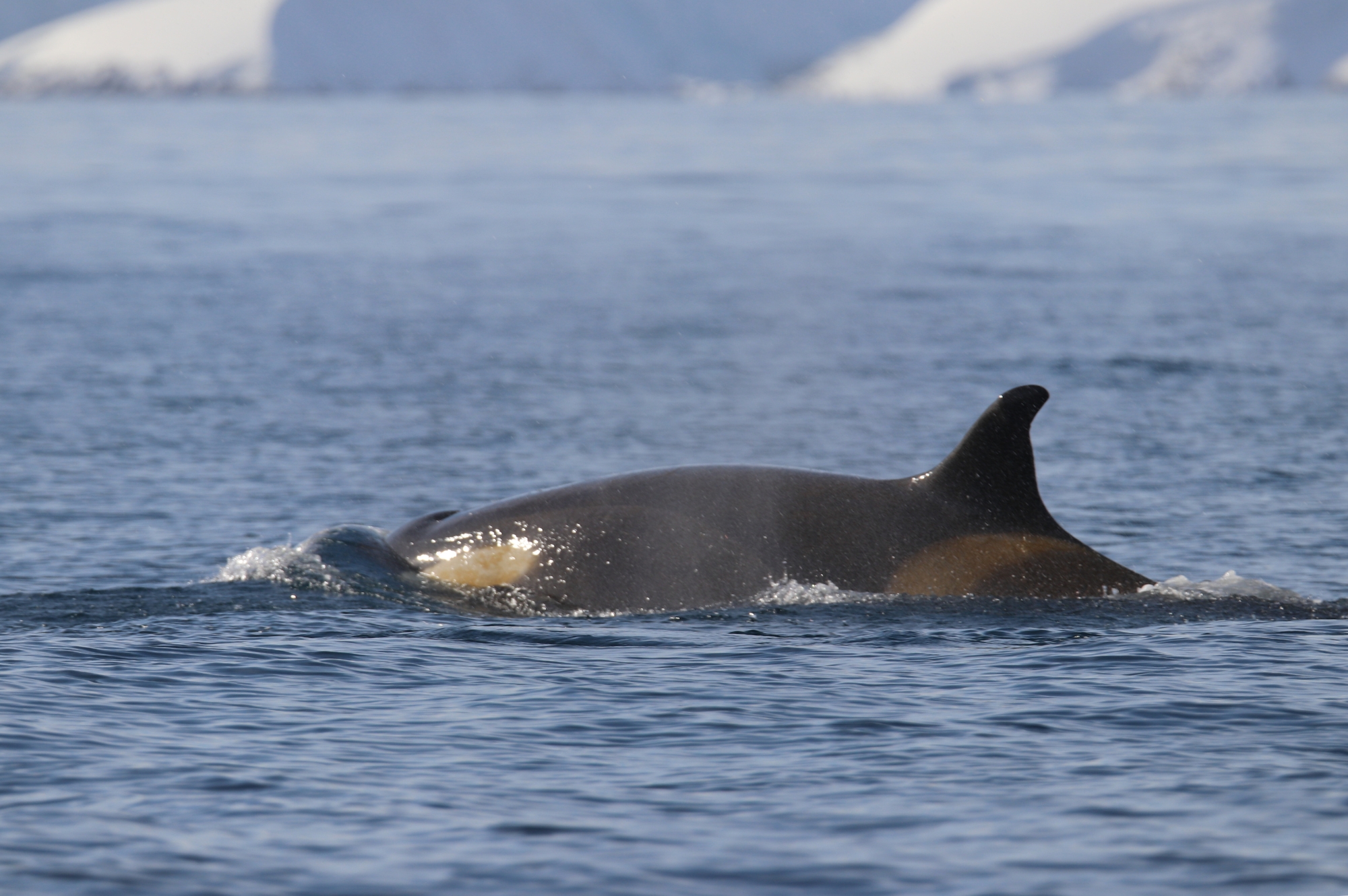
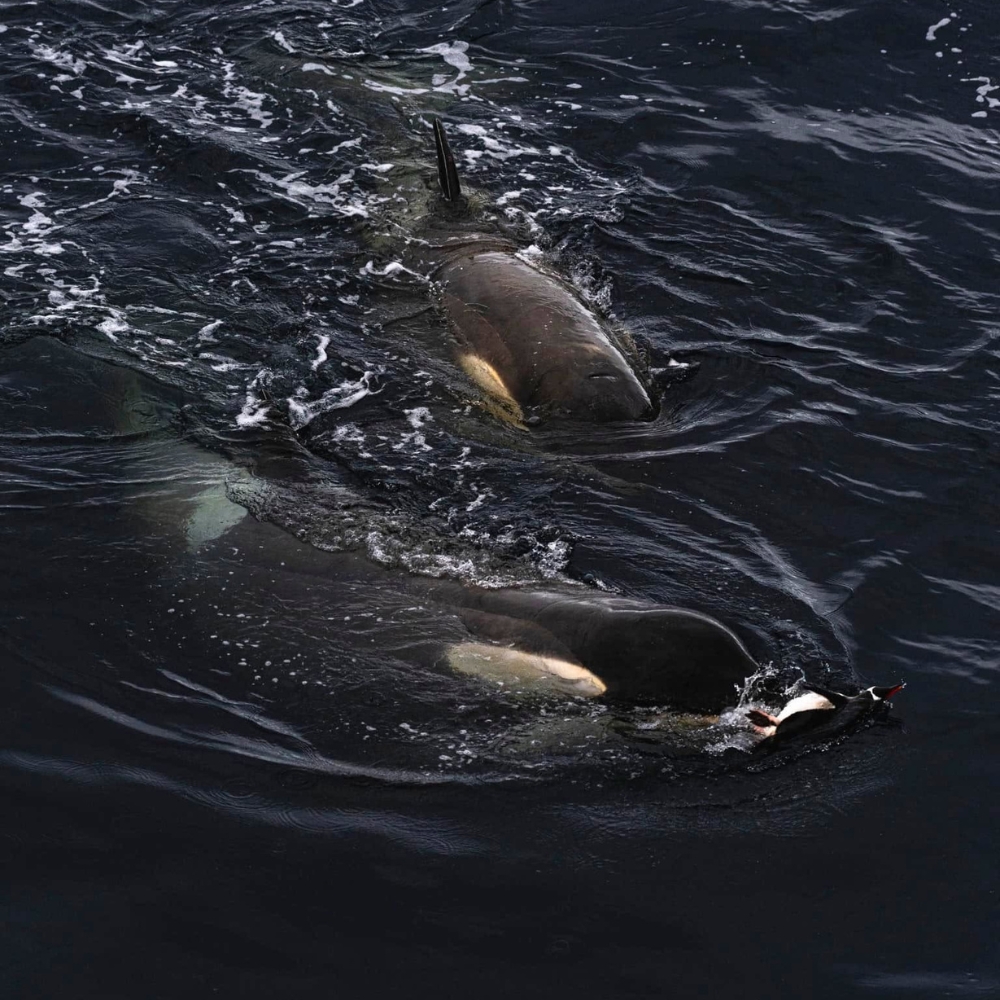
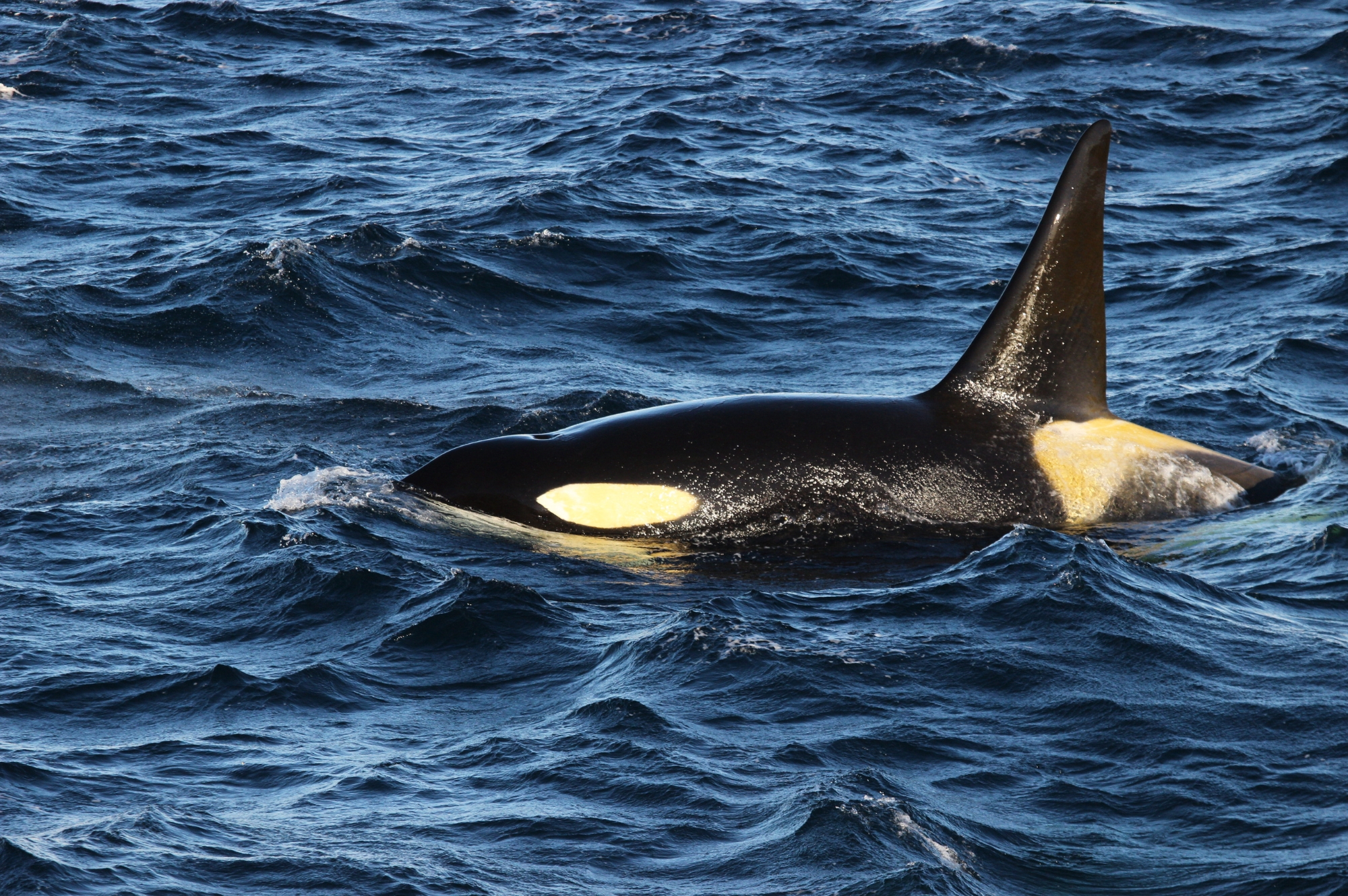
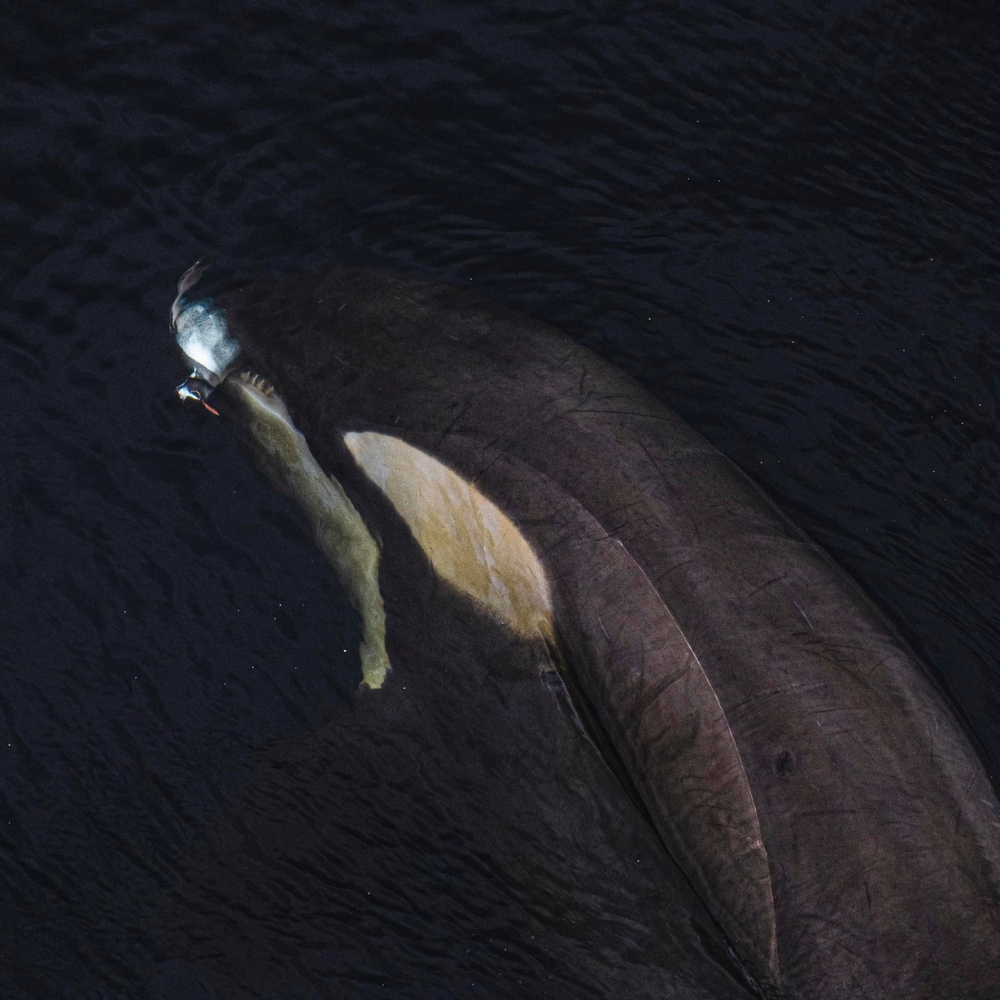
Moving on south to the Southern Ocean, there are two ecotypes that are slightly harder to come across. I have not seen them myself and fingers crossed will be able to one day! These two ecotypes are the Ross Sea and Subantarctic ecotype. There is still ongoing research to learn more about about these individuals but the southern ocean is such a vast place it can feel like searching for a needle in a haystack!

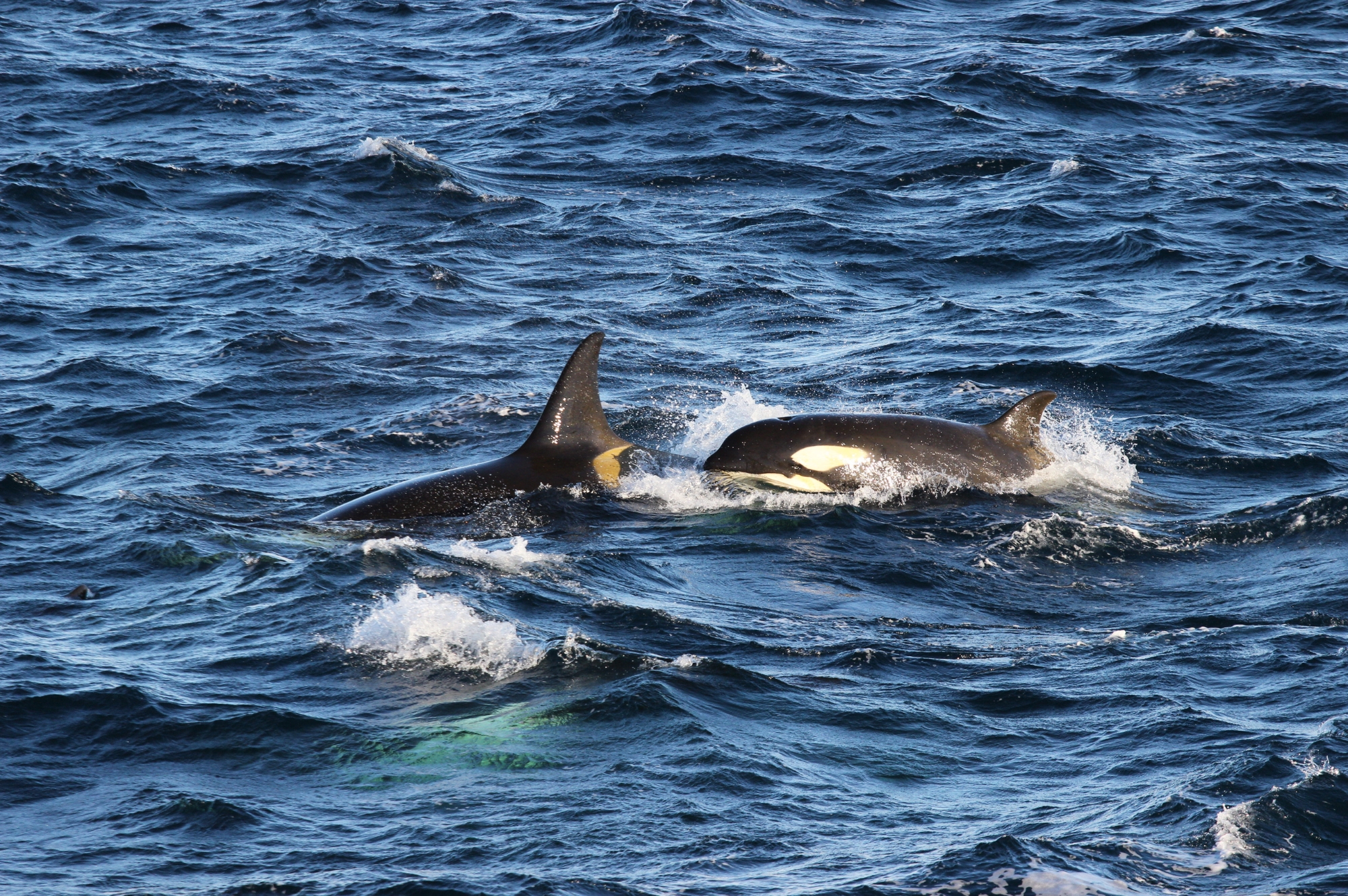
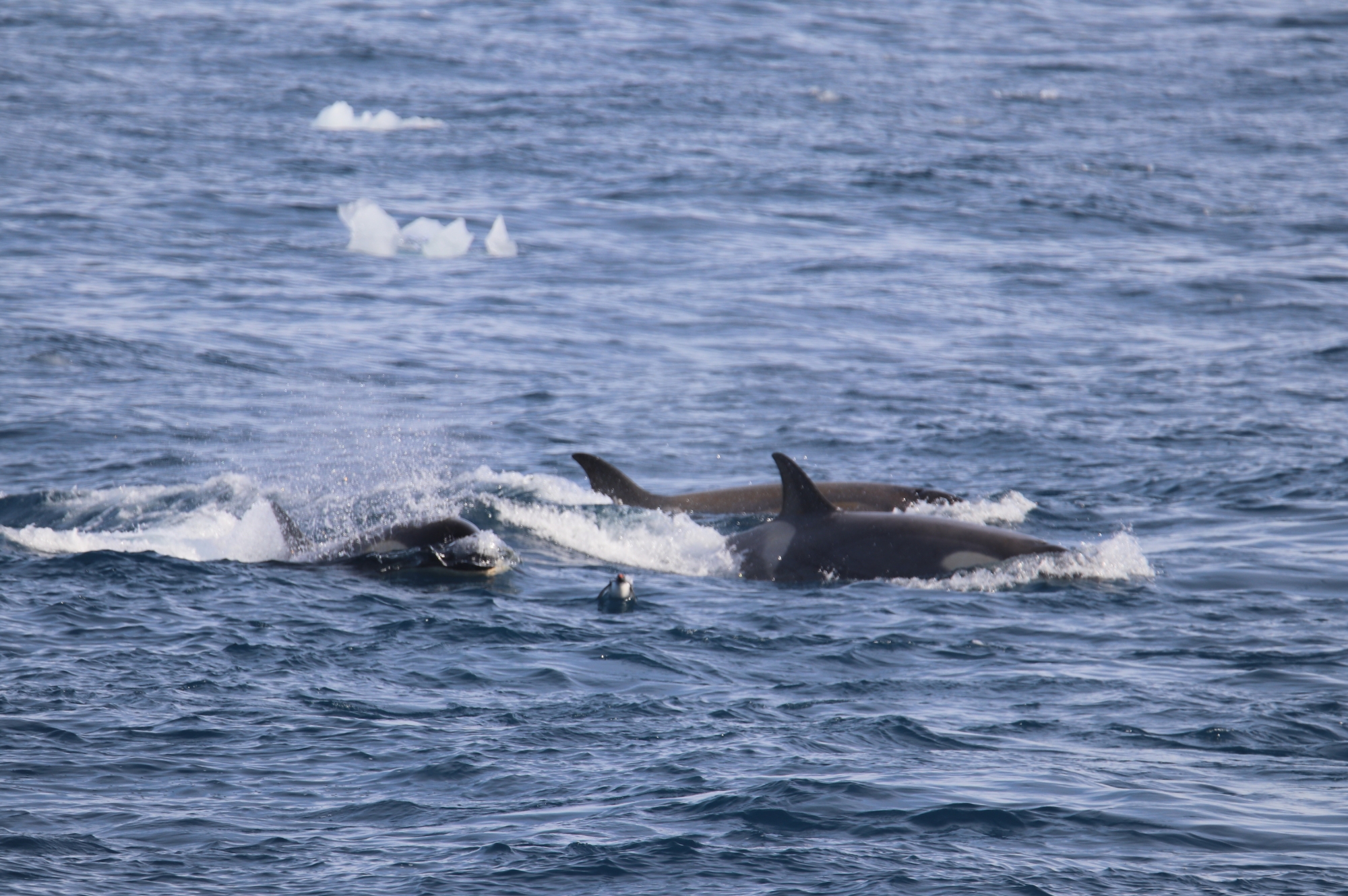
How Geography Shapes Orca Behaviour
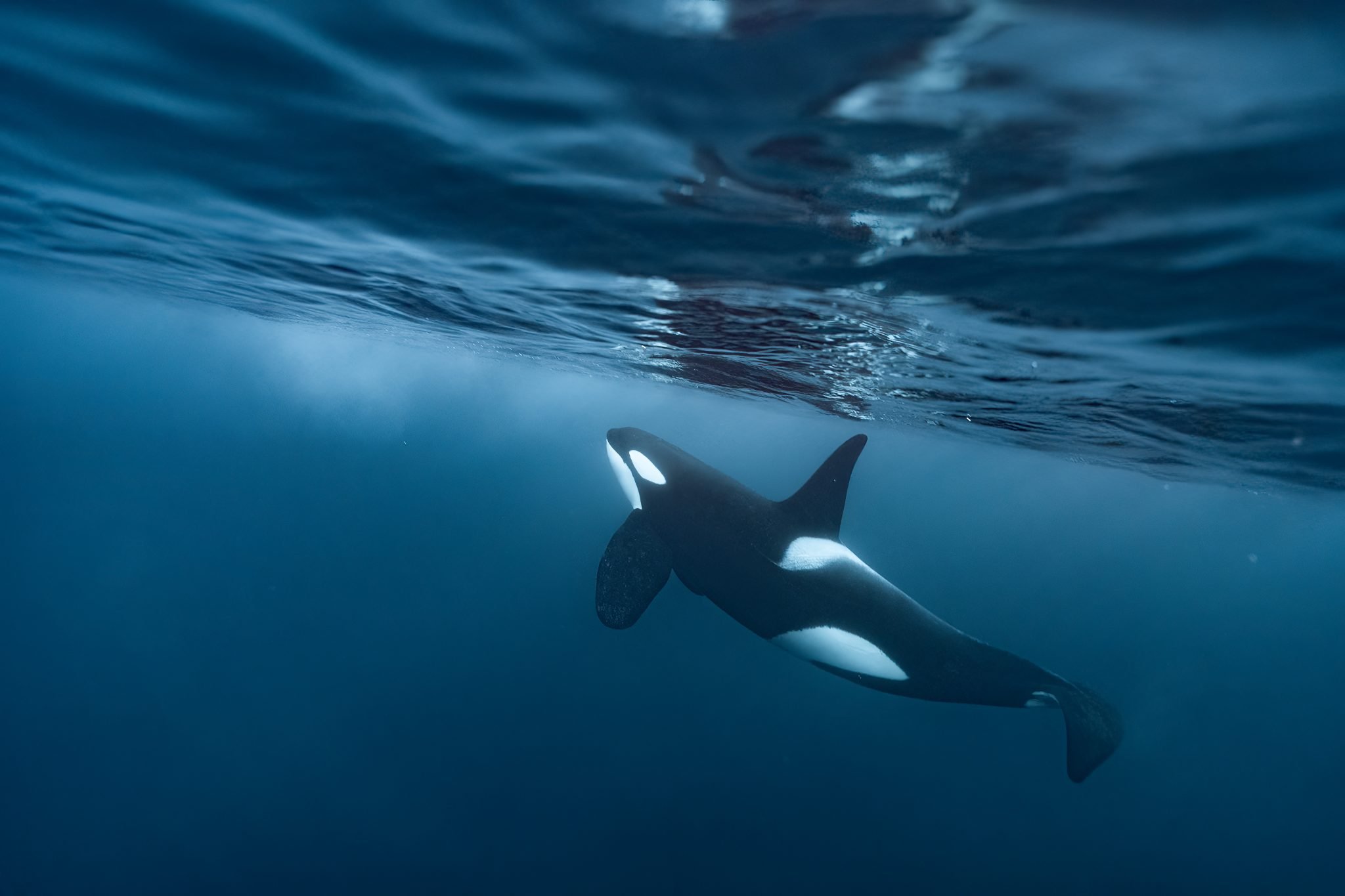
I wouldn’t go as far as to say that the orcas in the north and the south are polar opposites, there are clear distinctions between them that are driven by habitat and geography. Some differences are subtle, while others are more pronounced, in my opinion, are morphology, diet, and culture.
Morphology
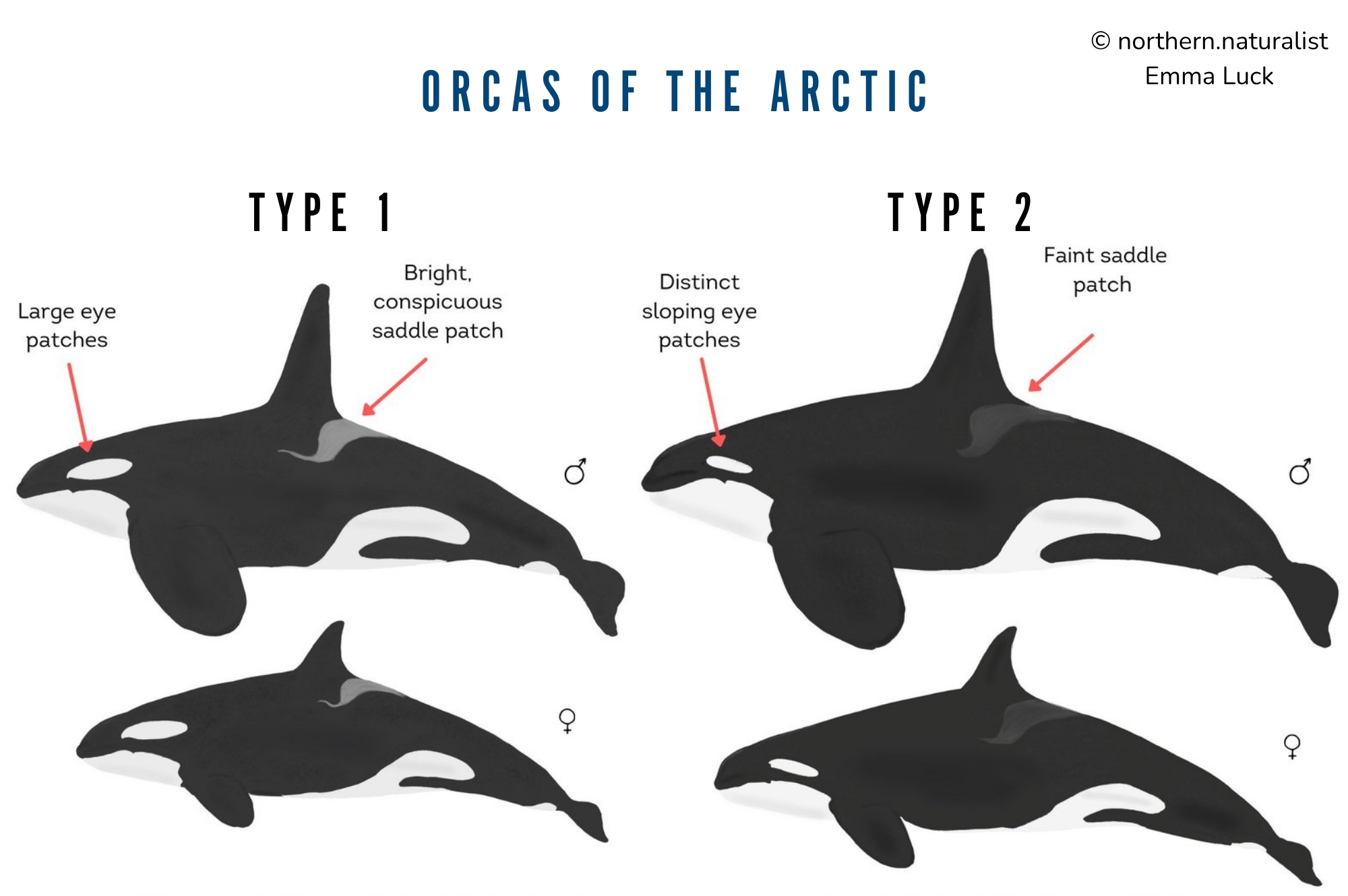
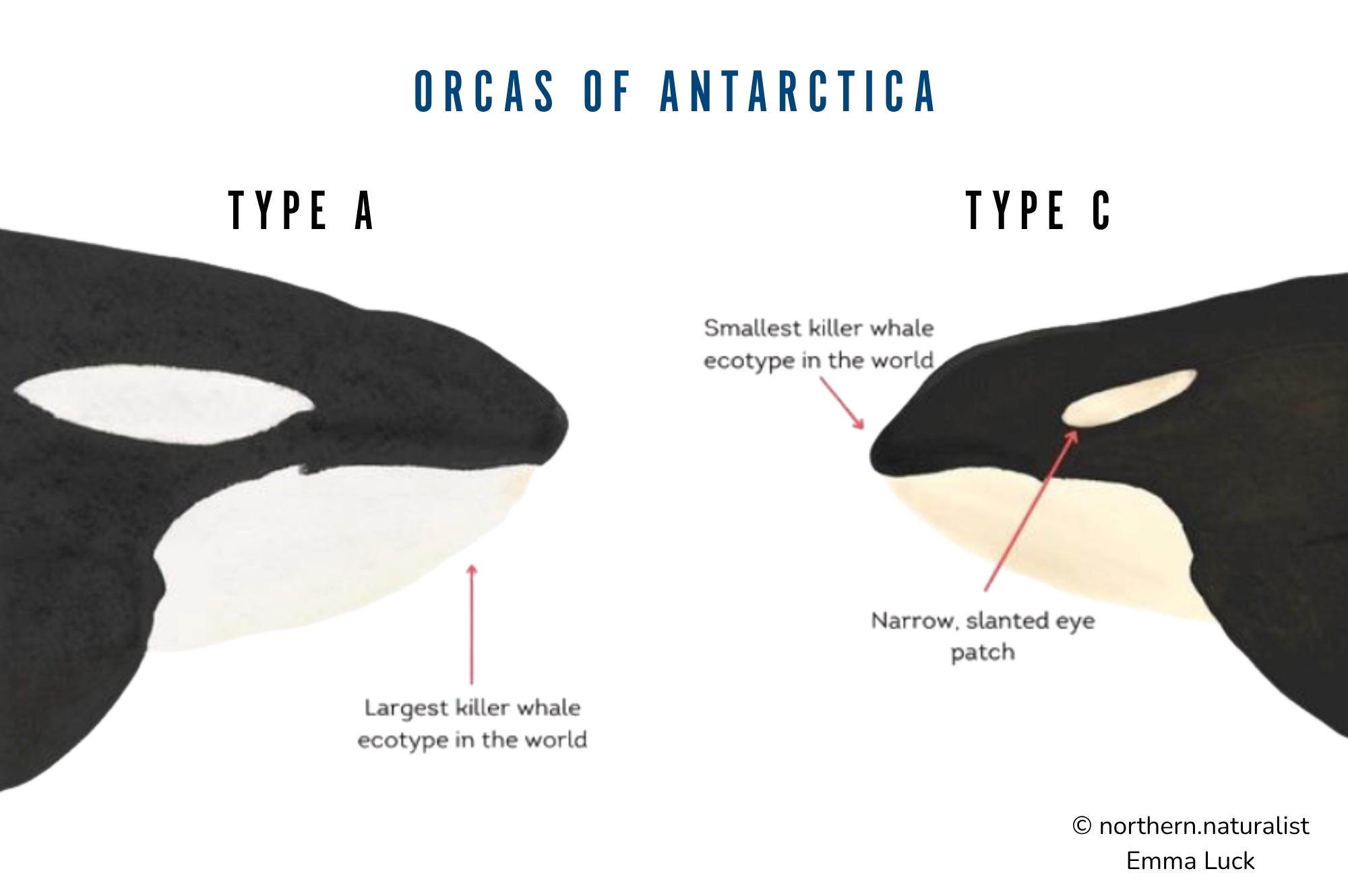
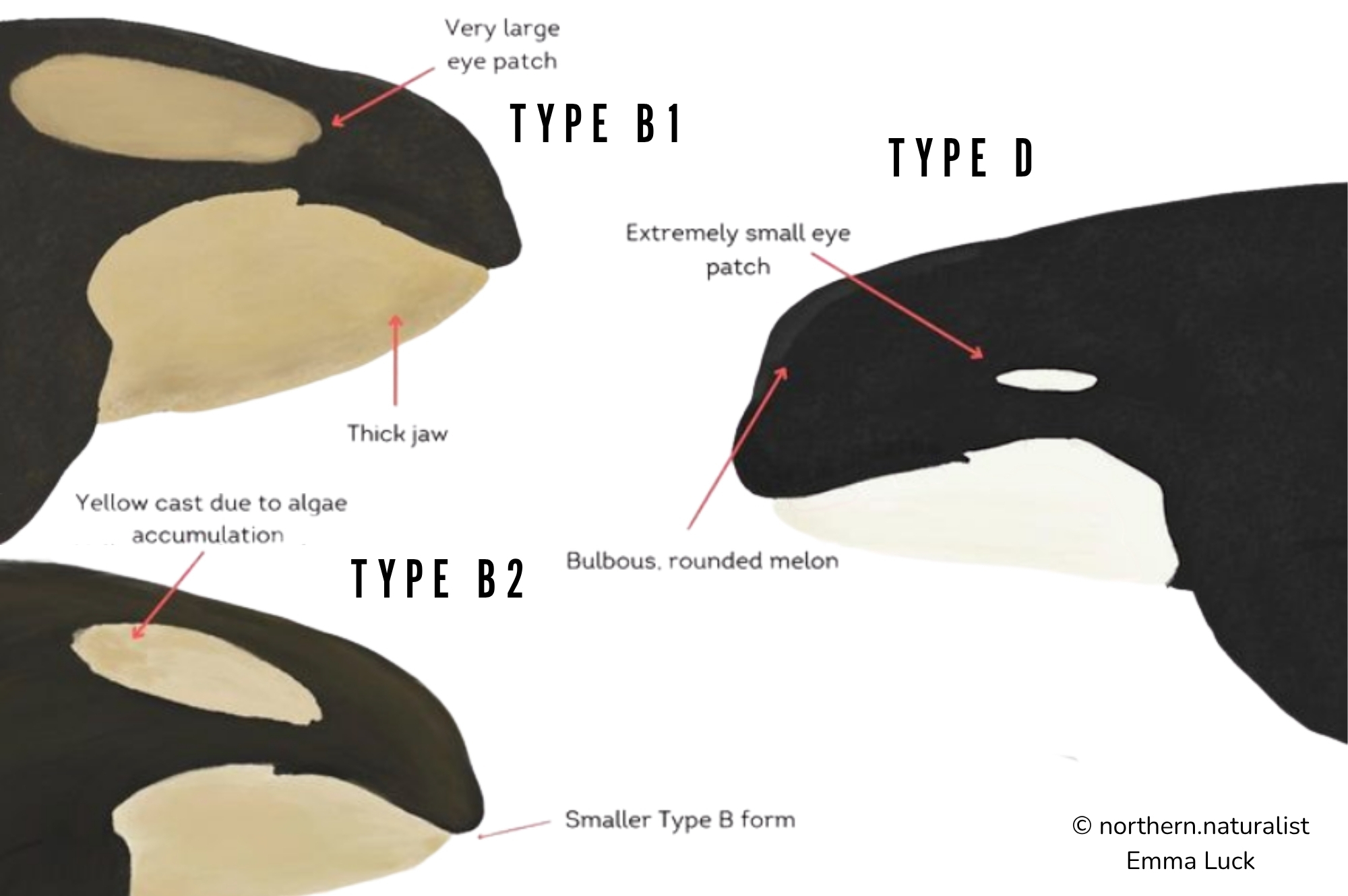
This refers to the way different orca ecotypes look! While the differences can be subtle and difficult for the untrained eye to spot, scientists use these distinct markings to identify populations and learn more about Orcinus orca. Here are wonderfully depicted examples from Northern Naturalist, Emma Luck, showing the morphological differences between the ecotypes in the Antarctica and in the Arctic.
Note the orange colouration on the B1 and B2 orcas. That is due to their habitat, and should not to be confused with the orange colouration sometimes seen in orca calves.
Orca Diet
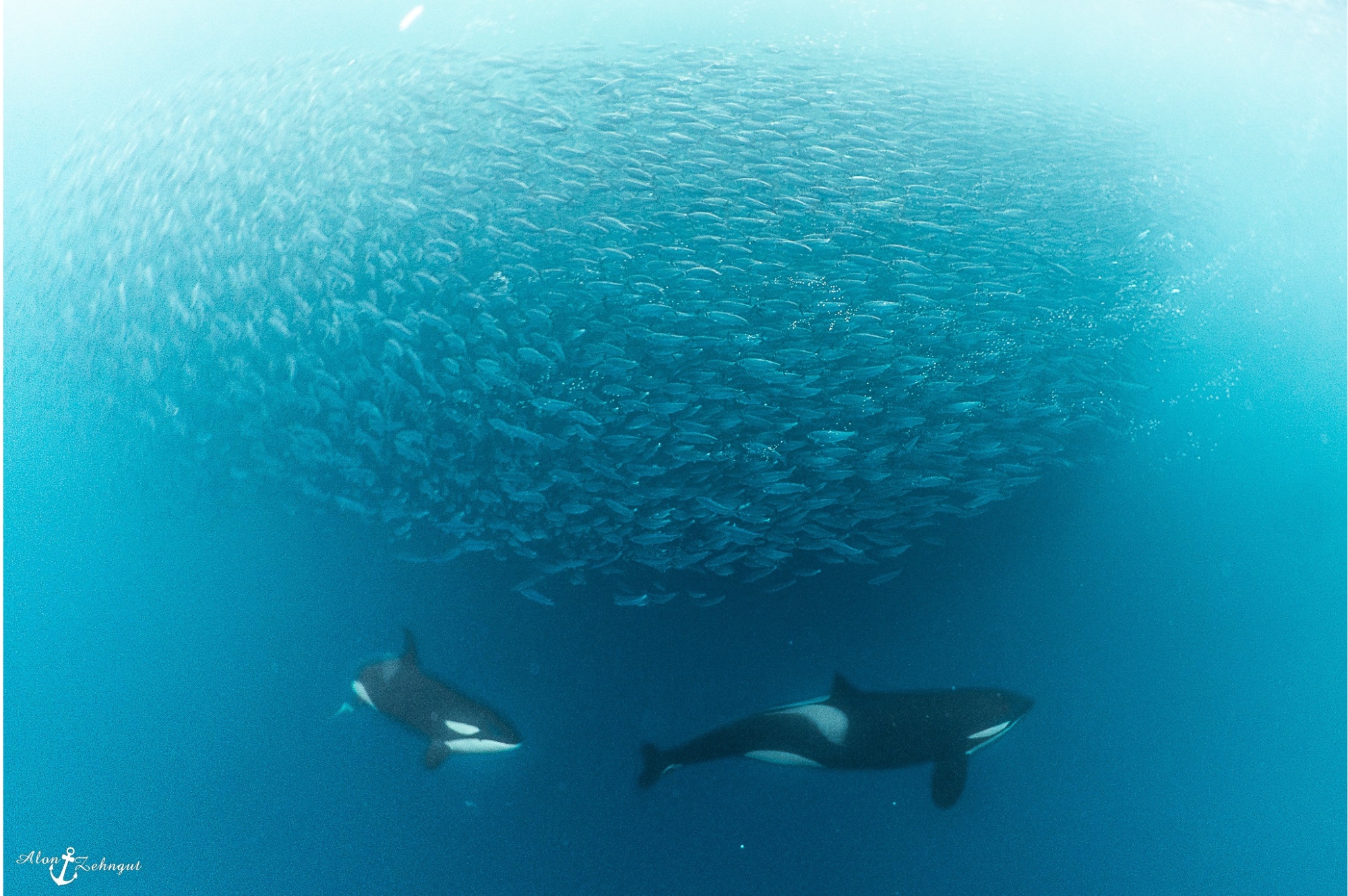
All ecotypes of orcas have unique food preferences and hunting strategies to acquire their prey. In the south, they specialise in hunting penguins, and seals. In the north, we witness the magical, cooperative dance of carousal feeding, where orcas herd schools of herring together before feeding on them one at a time.
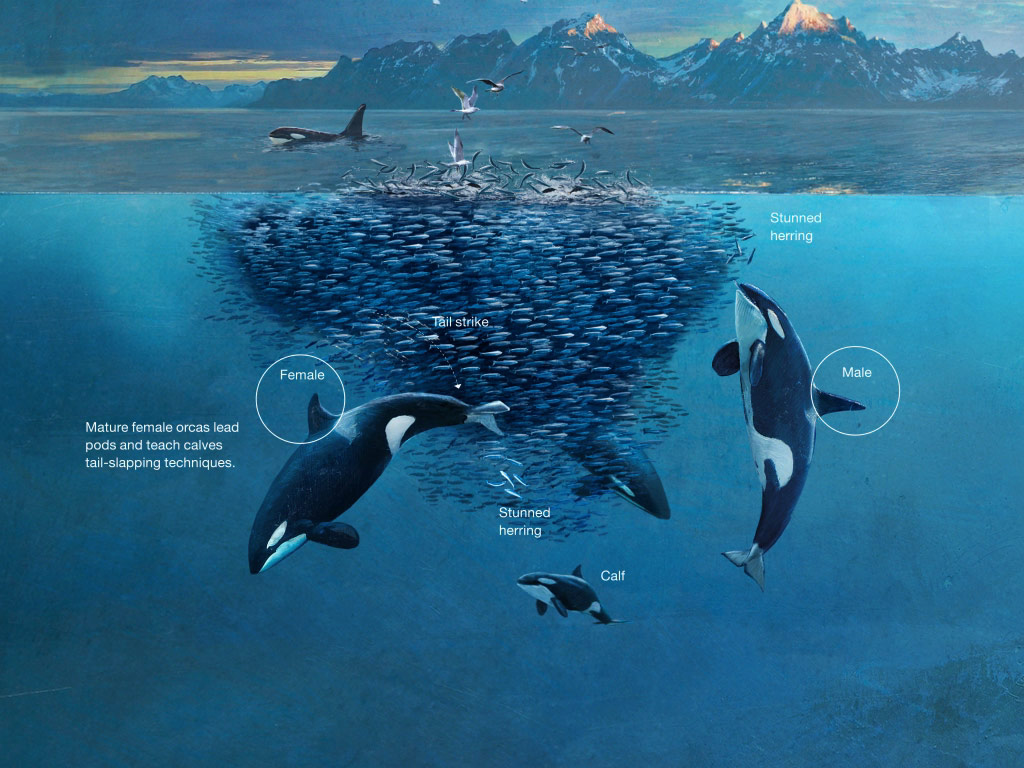
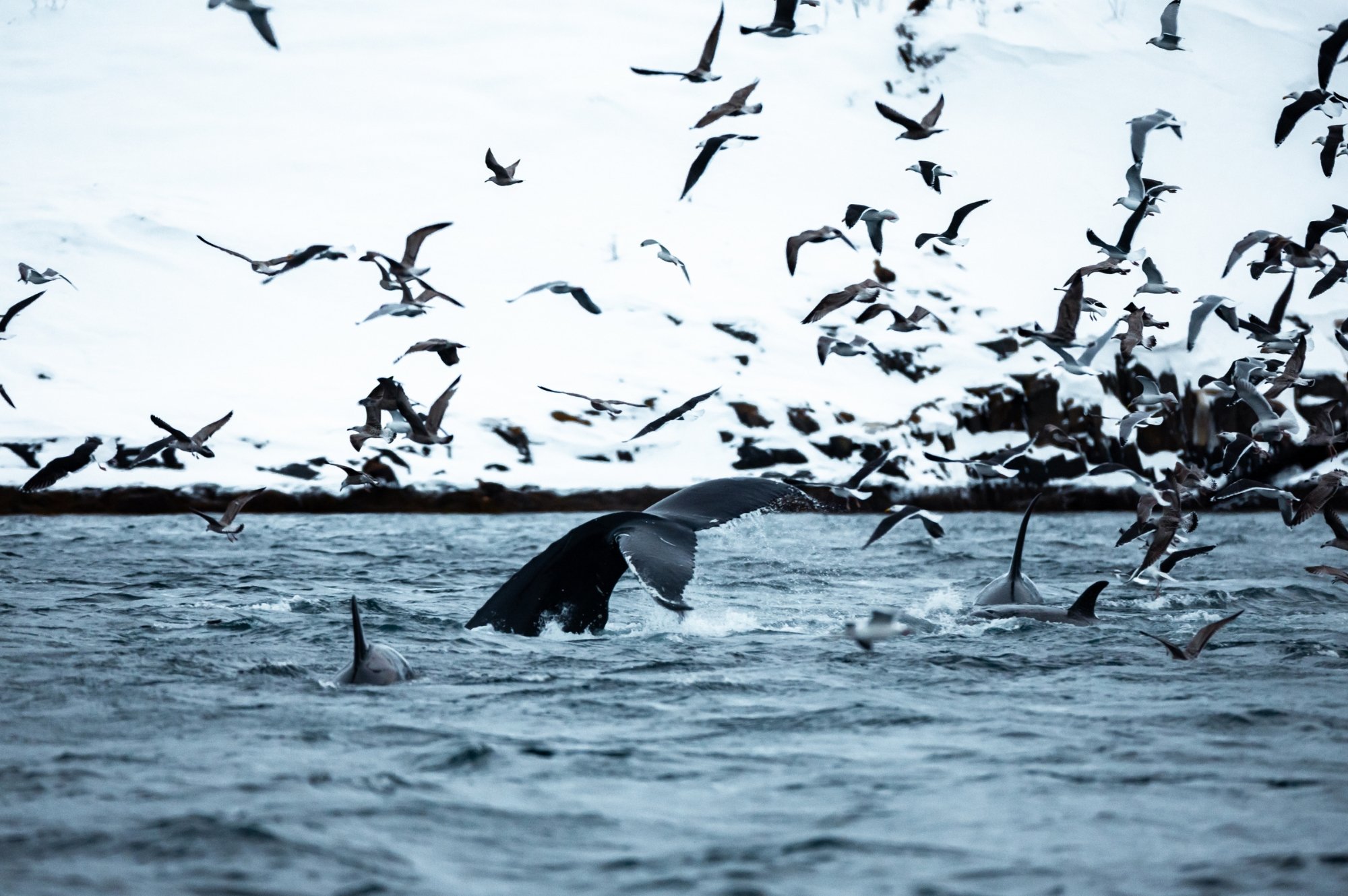
In the Arctic, on our Winter Whales of Norway expeditions, we are sometimes lucky enough to see what is known as a bait ball. A bait ball forms when a group of orcas use a technique called carousel feeding, swimming in a coordinated pattern to clump, or herd, the Norwegian spring-spawning herring into a dense ball and drive it towards the surface.
Here is a depiction of this carousel feeding behaviour from National Geographic. You will see that each orca is given a specific task to complete, which is communicated prior to the herding phase commensing. It is an absolutely intelligent feeding strategy and quite the spectacle for our guests! Not to mention the picturesque Norwegian fjord backdrop that ties it all together.
The carousel feeding behaviour is specifically done by the North Atlantic Type 1 orcas which tend to come further into the Norwegian fjords. Type 2 orcas, which feed primarily (but not exclusively) on marine mammals tend to stay a tad more to the north. Sometimes they are seen at the entrance of the fjord but more likely, they are further out to sea with a larger home range expanding north to Svalbard even!
As with all wildlife, research is ongoing and recent research might suggest Type 1 and Type 2 aren’t so different after all. Stay tuned for another blog about Northern Hemisphere orcas!
Culture
The final difference between Arctic and Antarctic orcas has to do with the culture of each ecotype. Orcinus orca, worldwide, are known as one of the most intelligent species. Orcas are highly social animals that spend much of their lives teaching one another, working together, communicating often, and reinforcing the importance of mother-calf bonds.
Some ecotypes, such as the Southern Resident in the North Pacific, will stay within their mother’s pod their entire life. They live in a highly matriach society where the eldest female is respected for her experience and plays a crucial role in the well-being of the pod. Other ecotypes, such as the Ross Sea orcas in Antarctica appear to have a different social structure, maybe staying with their mothers for a few years and then branch off on their own exploration. Although, much remains to be learned about their long-term associations.
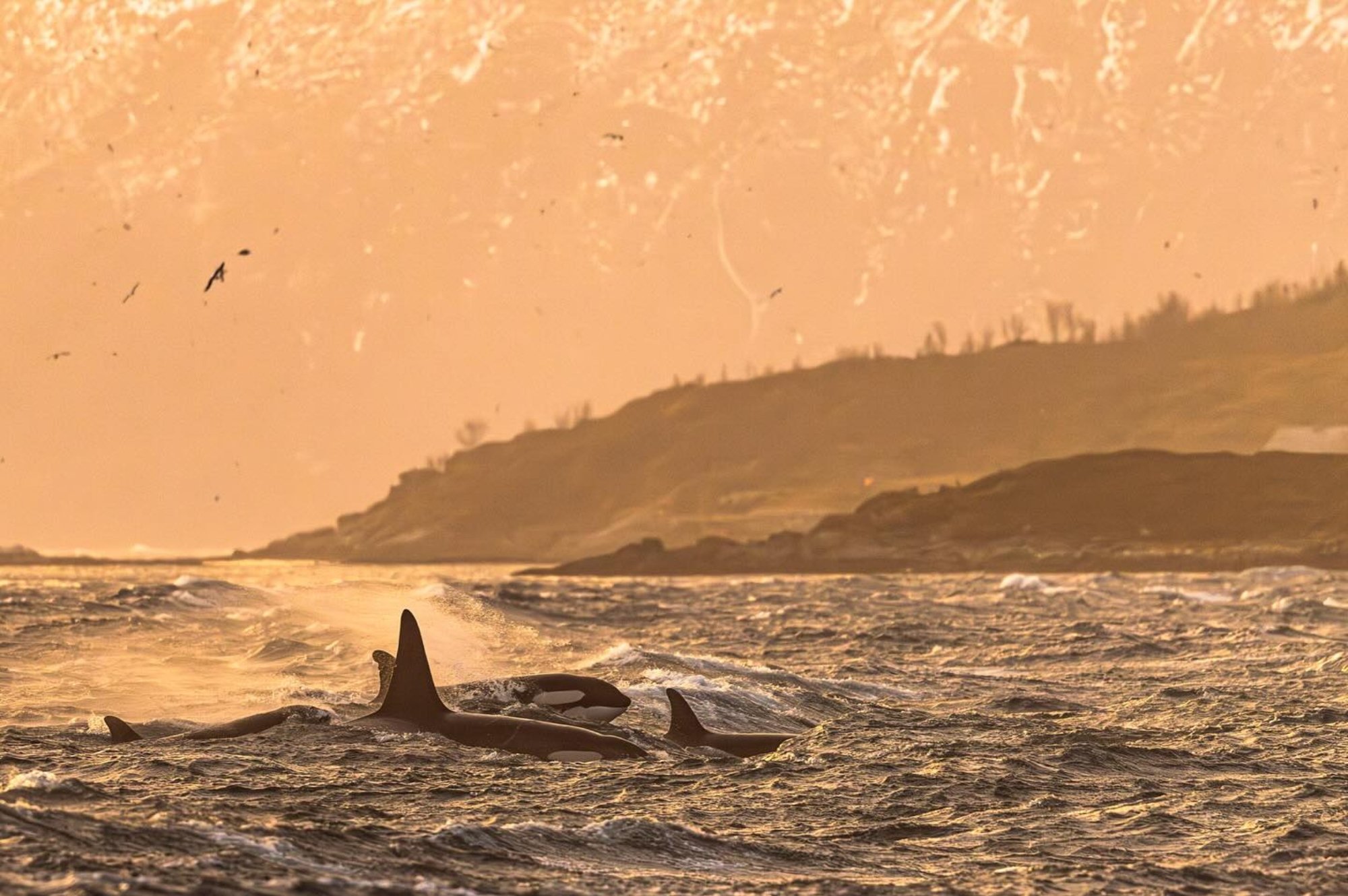
Group size also varies between the ecotypes. For some, such as the Type A in Antarctica, it is common to see smaller groups of around 10 individuals. In comparison, in the north it is not uncommon to encounter groups of 20-30 orcas all together in one fjord. These individuals aren’t necessarily related, but they often travel together and feed cooperatively.
The amount of communication also varies between the ecotypes! This is closely linked to diet, as orca use echolocation to locate prey. Fish species, such as Norwegian spring-spanning herring, are generally unable to detect echolocation clicks and as a result, fish-eating orcas tend to be relatively more vocal. One could say a bit on the chatty side. However, pinnipeds, such as seals and sea lions, can detect echolocation sounds more readily. Due to this, mammal-eating orcas often hunt in a more stealthy manner to avoid alerting their prey of their presence.
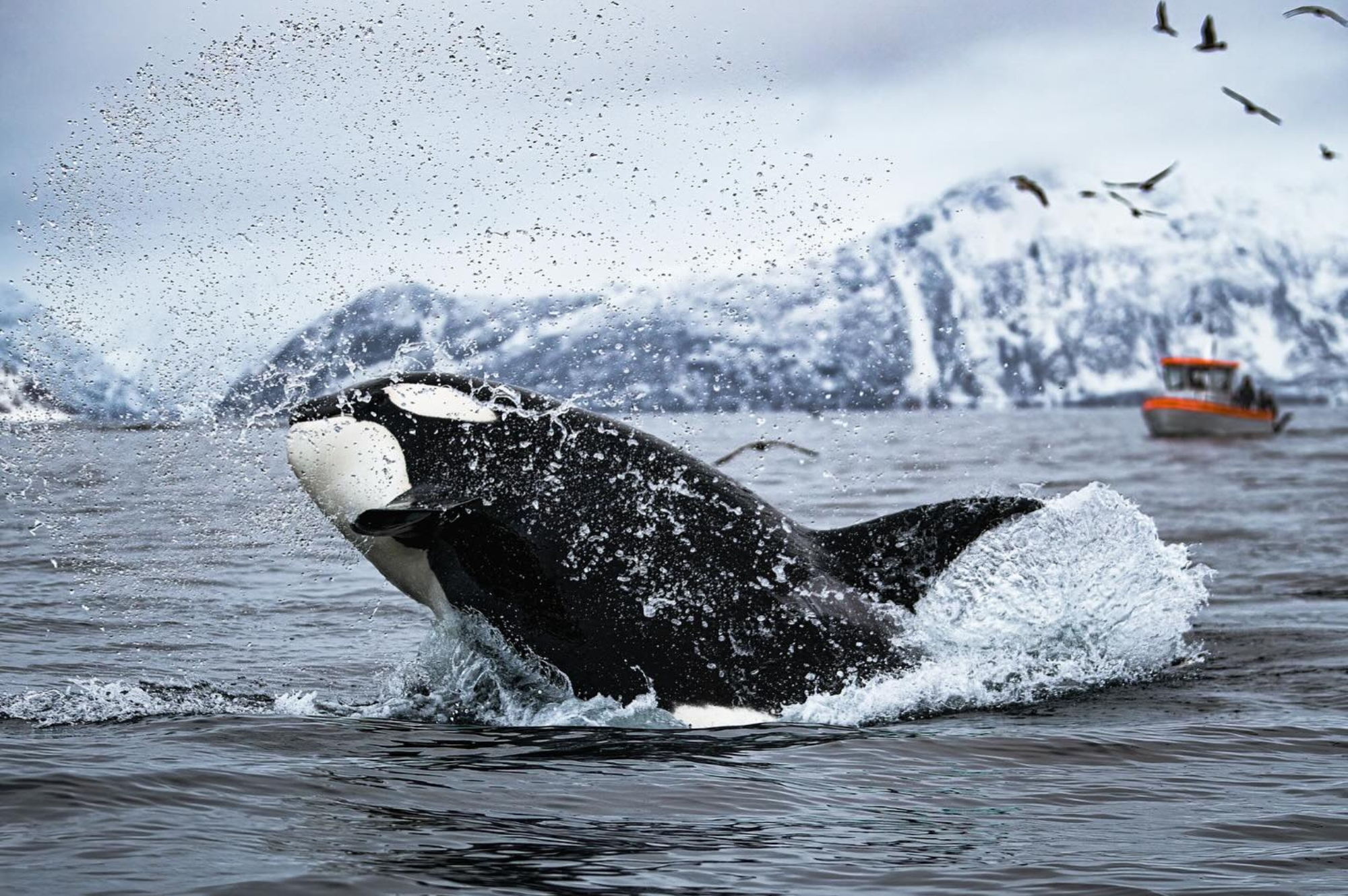

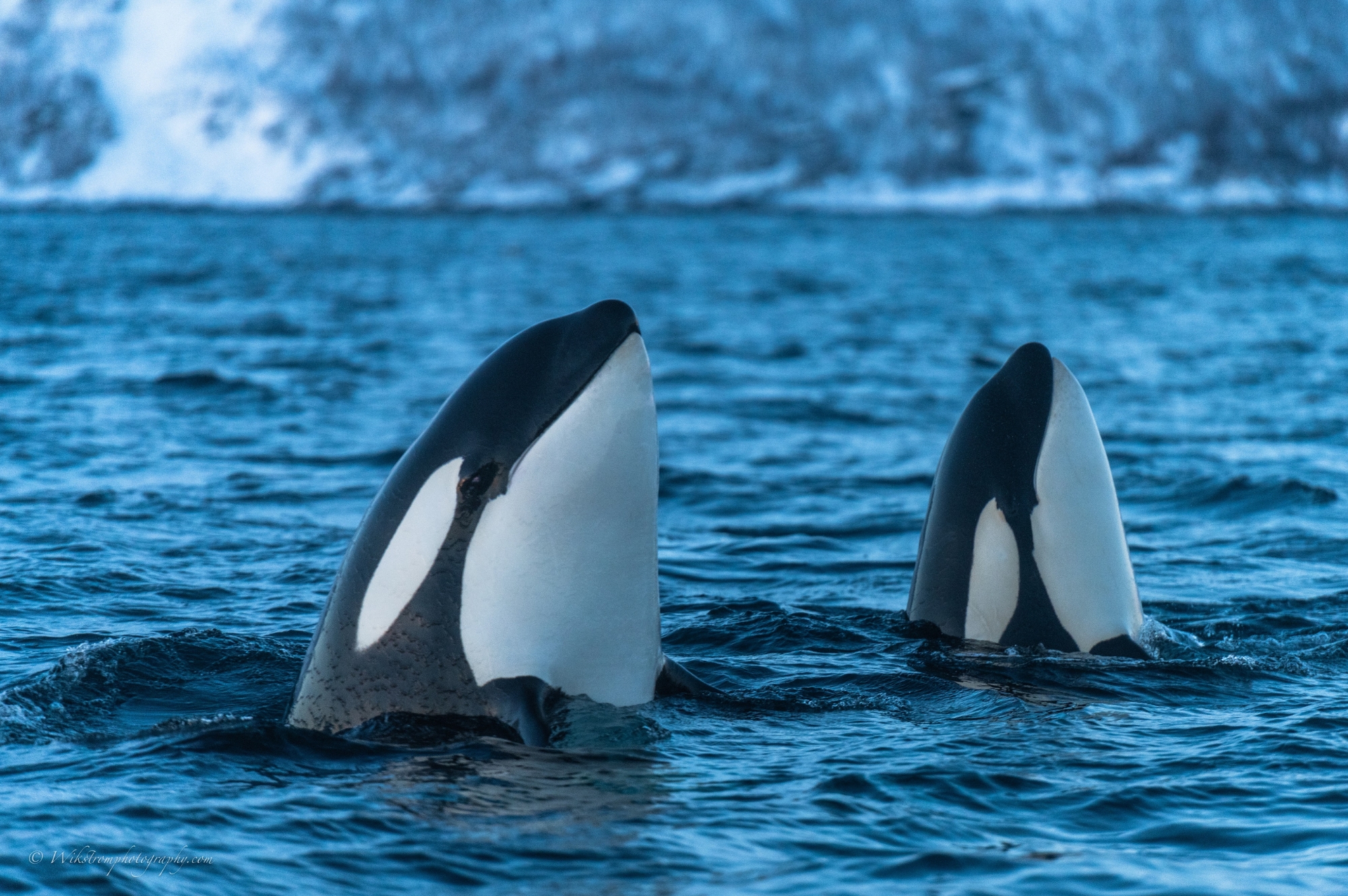

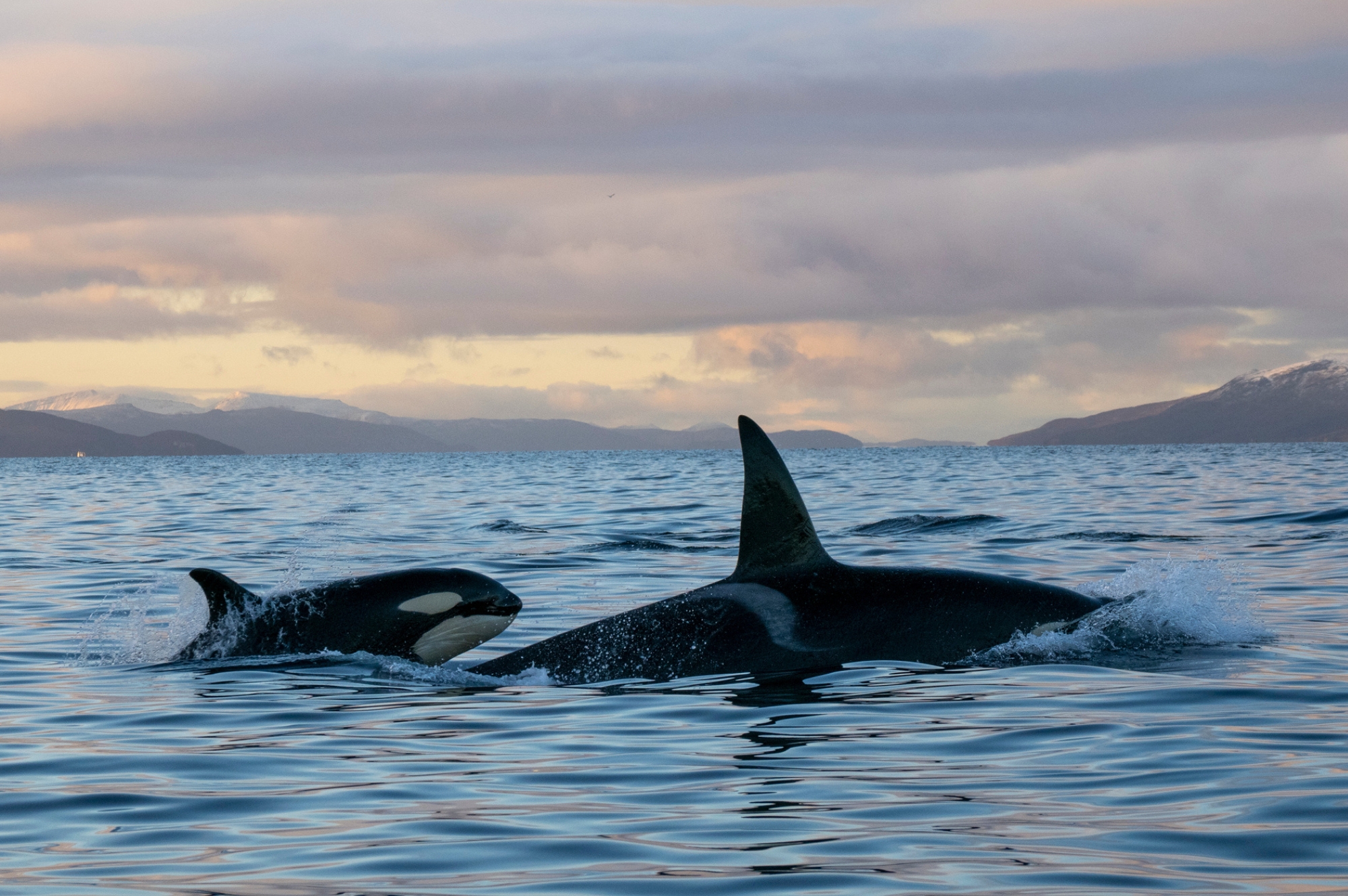
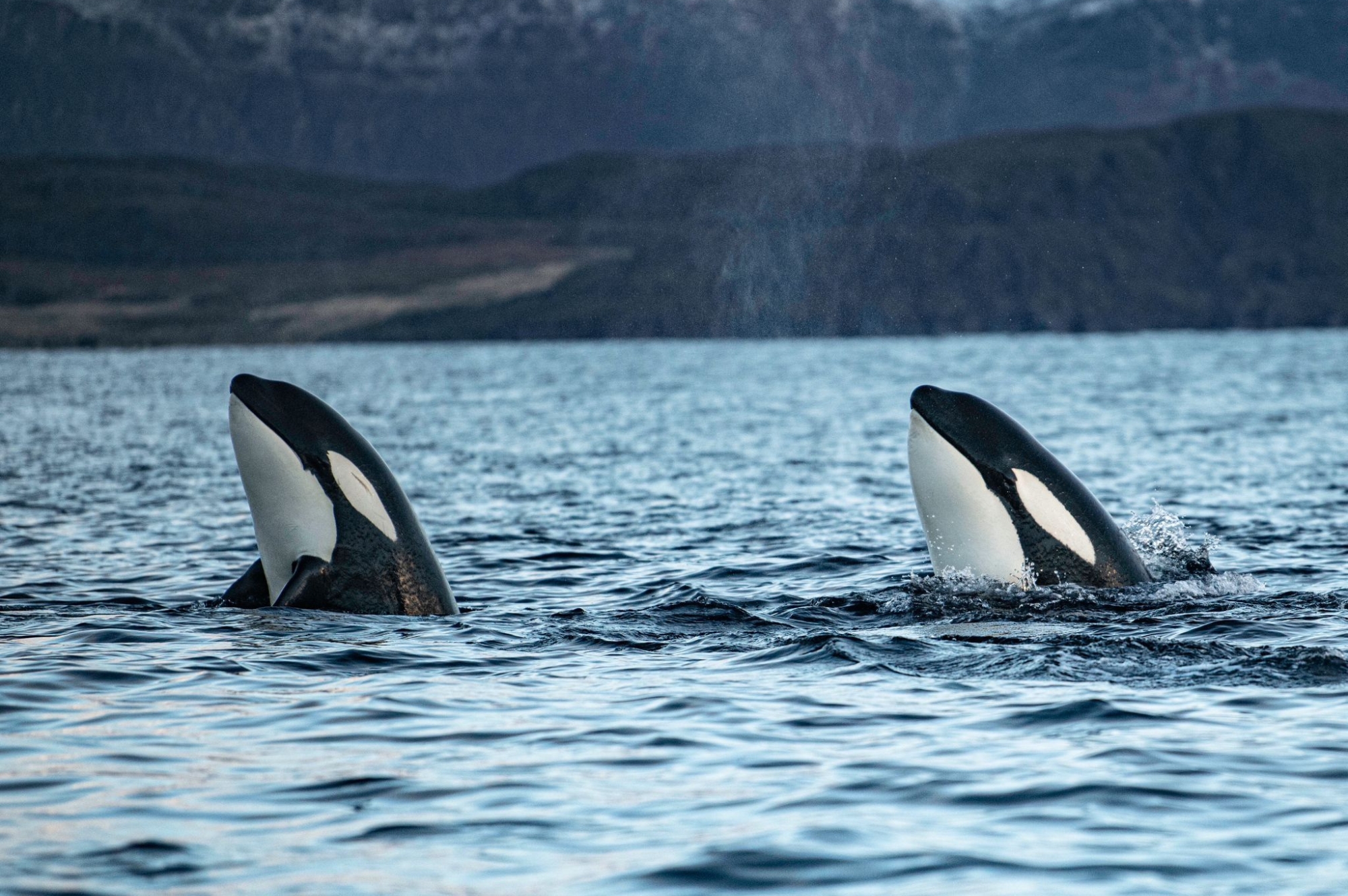
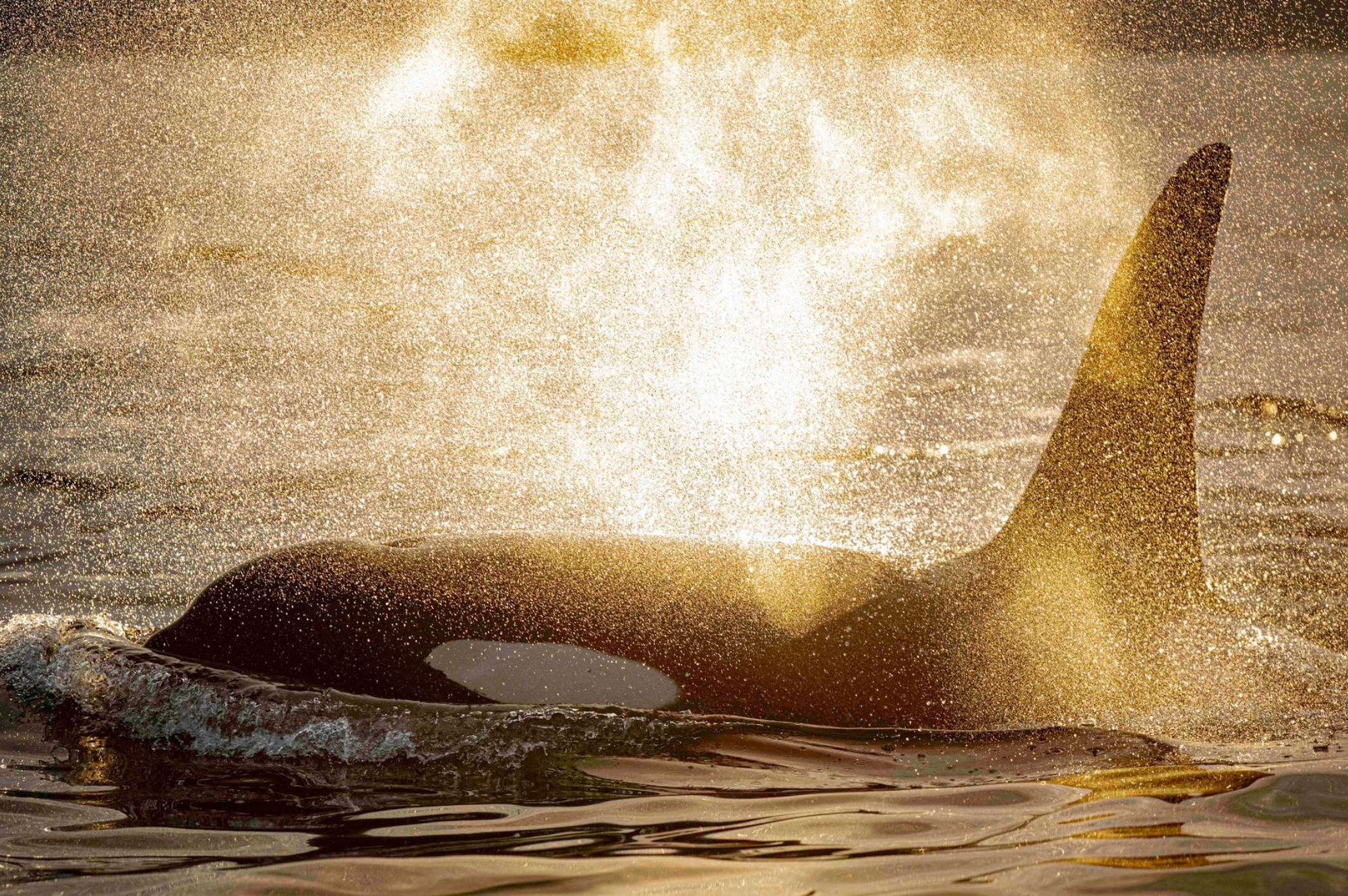
As you can see, same species, different worlds!
All orcas around the world belong to the species Orcinus orca, yet there are both beautiful similarities and striking differences between the various ecotypes. And this was just the beginning! There is still so much to explore and learn about the different ecotypes of orcas across the globe. Maybe there will be a part 2 to this blog in the future. Stay tuned!

A special thank you to all the wonderful photographers who share their photos with us! Jens Wikstrom, Goran Ehlme, Evolumina, Tyler Wang, Scott Portelli, Alon Zehngut.
Expeditions to see Orcas

Winter Whales Norway
Snorkeling with Orcas & Humpback Whales
| Travel duration: | 7 days |
|---|---|
| Date: | 19 Oct - 25 Oct 2026 |
| Ship: | Vikingfjord |
| Passengers: | 12 passengers |
Prices
All prices are per person and depending on availability. Please contact us for more details.
- 6 Nights accommodation on board
- Breakfast, lunch & dinner (starts with dinner on the first night, ends after breakfast on the last day)
- Coffee, tea & water throughout the day
- Snorkeling activity
- Waterproof snorkeling equipment
- Thermal overalls
- Warm zodiac suits for non-snorkelers
- Lectures by the experienced guides
- All service taxes and port fees
- Flights & transfers
- All personal expenses such as laundry, bar drinks, meals ashore
- Gratuities for the crew & guides
- Pre and post voyage excursions and hotel.
Travel Insurance with worldwide medical evacuation coverage is mandatory. We also strongly recommend you take out a trip cancellation insurance. This will cover your cancellation costs in case you need to cancel your trip after you confirmed your booking.
Would you like some more information?
Contact us!
Winter Whales of Norway
Snorkeling with Orcas & Humpback Whales | Travel duration: | 7 days |
|---|---|
| Date: | 22 Oct - 28 Oct 2026 |
| Ship: | Explorer |
| Passengers: | 12 passengers |
Prices
All prices are per person and depending on availability. Please contact us for more details.
- 6 Nights accommodation on board
- Breakfast, lunch & dinner (starts with dinner on the first night, ends after breakfast on the last day)
- Coffee, tea & water throughout the day
- Use of onboard hot tub & sauna
- Snorkeling activity
- Waterproof snorkeling equipment
- Thermal overalls
- Warm zodiac suits for non-snorkelers
- Lectures by the experienced guides
- All service taxes and port fees
- Flights & transfers
- All personal expenses such as laundry, bar drinks, meals ashore
- Gratuities for the crew & guides
- Pre and post voyage excursions and hotel.
Travel Insurance with worldwide medical evacuation coverage is mandatory. We also strongly recommend you take out a trip cancellation insurance. This will cover your cancellation costs in case you need to cancel your trip after you confirmed your booking.
Would you like some more information?
Contact us!
Winter Whales of Norway
Snorkeling with Orcas & Humpback Whales | Travel duration: | 7 days |
|---|---|
| Date: | 04 Dec - 10 Dec 2026 |
| Ship: | Virgo |
| Passengers: | 12 passengers |
Prices
All prices are per person and depending on availability. Please contact us for more details.
- 6 Nights accommodation on board
- Breakfast, lunch & dinner (starts with dinner on the first night, ends after breakfast on the last day)
- Coffee, tea & water throughout the day
- Snorkeling activity
- Waterproof snorkeling equipment
- Thermal overalls
- Warm zodiac suits for non-snorkelers
- Lectures by the experienced guides
- All service taxes and port fees
- Flights & transfers
- All personal expenses such as laundry, bar drinks, meals ashore
- Gratuities for the crew & guides
- Pre and post voyage excursions and hotel.
Travel Insurance with worldwide medical evacuation coverage is mandatory. We also strongly recommend you take out a trip cancellation insurance. This will cover your cancellation costs in case you need to cancel your trip after you confirmed your booking.
Would you like some more information?
Contact us!
Winter Whales of Norway
Snorkeling with Orcas & Humpback Whales | Travel duration: | 7 days |
|---|---|
| Date: | 07 Dec - 13 Dec 2026 |
| Ship: | Polarfront |
| Passengers: | 12+ passengers |
Prices
All prices are per person and depending on availability. Please contact us for more details.
- 6 Nights accommodation on board
- Breakfast, lunch & dinner (starts with dinner on the first night, ends after breakfast on the last day)
- Coffee, tea & water throughout the day
- Snorkeling activity
- Waterproof snorkeling equipment
- Thermal overalls
- Warm zodiac suits for non-snorkelers
- Use of the onboard sauna
- Lectures by the experienced guides
- All service taxes and port fees
- Flights & transfers
- All personal expenses such as laundry, bar drinks, meals ashore
- Gratuities for the crew & guides
- Pre and post voyage excursions and hotel.
Travel Insurance with worldwide medical evacuation coverage is mandatory. We also strongly recommend you take out a trip cancellation insurance. This will cover your cancellation costs in case you need to cancel your trip after you confirmed your booking.
Would you like some more information?
Contact us!
Classic Antarctica Expedition
Special Whale Watching Expedition!| Travel duration: | 11 days |
|---|---|
| Date: | 07 Mar - 17 Mar 2027 |
| Ship: | Hondius |
| Passengers: | 170 passengers |
Prices
All prices are per person and depending on availability. Please contact us for more details.
- Voyage aboard the indicated vessel as indicated in the itinerary
- All meals throughout the voyage aboard the ship including snacks, coffee and tea.
- All shore excursions and activities throughout the voyage by Zodiac.
- Program of lectures by noted naturalists and leadership by experienced expedition staff.
- Free use of rubber boots and snowshoes.
- Luggage transfer from pick-up point to the vessel on the day of embarkation, in Ushuaia.
- Pre-scheduled group transfer from the vessel to the airport in Ushuaia (directly after disembarkation).
- All miscellaneous service taxes and port charges throughout the programme.
- Comprehensive pre-departure material.
- Any airfare, whether on scheduled or charter flights
- Pre- and post- land arrangements.
- Passport and visa expenses.
- Government arrival and departure taxes.
- Meals ashore.
- Baggage, cancellation and personal insurance (which is strongly recommended).
- Excess baggage charges and all items of a personal nature such as laundry, bar, beverage charges and telecommunication charges.
- The customary gratuity at the end of the voyages for stewards and other service personnel aboard (guidelines will be provided).
Would you like some more information?
Contact us!
Classic Antarctica Expedition
Special Whale Watching Expedition!


| Travel duration: | 12 days |
|---|---|
| Date: | 13 Mar - 24 Mar 2027 |
| Ship: | Sylvia Earle |
| Passengers: | 130 passengers |
Prices
All prices are per person and depending on availability. Please contact us for more details.
-
All airport transfers mentioned in the itinerary.
-
One night’s hotel accommodation including breakfast, in Ushuaia on Day 1.
-
Lake Escondido tour in Ushuaia, on Day 2.
-
Onboard accommodation during voyage, including daily cabin service.
-
All meals, snacks, tea, coffee, soft drinks and juices during voyage.
-
Beer and house wine with dinner.
-
Captain’s Farewell reception including four-course dinner, house cocktails, house beer and wine, non-alcoholic beverages.
-
All shore excursions and Zodiac cruises.
-
Educational lectures and guiding services provided by Expedition Team.
-
Complimentary access to onboard expedition doctor and medical clinic (initial consultation).
-
One 3-in-1 waterproof, polar expedition jacket.
-
Complimentary use of Muck Boots during the voyage.
-
Comprehensive pre-departure information.
-
Port surcharges, permits and landing fees.
-
Wi-Fi
-
International or domestic flights – unless specified in the itinerary.
-
Transfers – unless specified in the itinerary.
-
Airport arrival or departure taxes.
-
Passport, visa, reciprocity and vaccination fees and charges.
-
Travel insurance or emergency evacuation charges.
-
Hotel accommodation and meals – unless specified in the itinerary.
-
Optional excursions and optional activity surcharges.
-
All items of a personal nature, including but not limited to alcoholic beverages (outside of dinner service), gratuities, laundry services, personal clothing, medical expenses or phone charges.
Would you like some more information?
Contact us!
Classic Antarctica Expedition
Exploring the Antarctica Peninsula | Travel duration: | 10 days |
|---|---|
| Date: | 18 Mar - 27 Mar 2027 |
| Ship: | Ushuaia |
| Passengers: | 88 passengers |
Prices
All prices are per person and depending on availability. Please contact us for more details.
- Voyage aboard the Ushuaia.
- All meals throughout the voyage.
- All shore excursions and activities throughout the voyage by zodiac.
- Program of lectures by noted naturalists and leadership by experienced expedition staff.
- All miscellaneous service taxes and port charges throughout the program.
- Comprehensive pre-departure material.
- Detailed post-expedition log.
- Any airfare, whether on scheduled or charter flights;
- pre- and post land arrangements;
- transfers to / from the vessel;
- passport and visa expenses;
- Government arrival and departure taxes;
- meals ashore;
- baggage, cancellation and personal insurance (strongly recommended);
- excess baggage charges and all items of a personal nature such as bar and beverage charges and telecommunication charges;
- and the customary gratuity at the end of the voyages (guidelines will be provided).
Would you like some more information?
Contact us!
Special offer: Up to 30% off!
Classic Antarctica Expedition
Special Whale Watching Expedition! | Travel duration: | 11 days |
|---|---|
| Date: | 09 Mar - 19 Mar 2027 |
| Ship: | Ocean Albatros |
| Passengers: | 169 passengers |
Prices
All prices are per person and depending on availability. Please contact us for more details.
Prior to Embarkation
- One pre-voyage hotel night with breakfast in Ushuaia
- Transfer from airport in Ushuaia (USH) to group hotel (providing you arrive on Day 1 of the itinerary, and we have your confirmed air itinerary at least 15 days prior to departure)
- Transfer from group hotel to ship for embarkation
On Board
- Shipboard accommodations and meals
- “Welcome” and “Farewell” receptions with sparkling wine and soft drinks
- Beer/wine/soft drinks at lunch and dinner (wine not included at lunch on landing days)
- Coffee/Tea/Cocoa 24 hours a day
- 500MB WiFi card for use on your personal devices
- Expedition jacket for use during the voyage
- Fleece-lined down jacket (yours to keep)
- A pair of loaner boots for use during the voyage
- All scheduled landings and excursions
- Snowshoes for use during landings (subject to availability)
- Our Citizen Science program: participation in a variety of scientific activities that support important research projects
- Photography Coach available throughout the voyage
- Participation in the Polar Plunge
- Access to our onboard medical clinics
- Access to our onboard fitness centers
- All port and landing fees
- Digital Voyage Log
Post Disembarkation
- Group transfer from ship to airport, hotel in Ushuaia, or central location (please note we cannot drop at Airbnbs or private homes, which are often inaccessible for our transfer vehicles)
Included with Ocean Albatros Suites
- Wine and fruit on arrival
- Restocked mini bar (non-alcoholic)
- Complimentary laundry service
- In-room espresso machine
- Any airfare or travel expenses associated with arrival or departure other than those specified above
- Pre- or post-voyage expenses in Ushuaia other than those specified above
- Travel insurance; medical insurance; evacuation coverage
- Laundry and personal expenses incurred on board, except as listed in inclusions
- Any other alcohol and soft drinks, except as listed in inclusions
- Onboard communication charges such as outgoing phone calls or WiFi, except as listed in inclusions
- Staff/crew gratuities
Would you like some more information?
Contact us!
Classic Antarctica Expedition
Special Whale Watching Expedition! | Travel duration: | 12 days |
|---|---|
| Date: | 12 Mar - 22 Mar 2028 |
| Ship: | Sylvia Earle |
| Passengers: | 130 passengers |
Prices
All prices are per person and depending on availability. Please contact us for more details.
-
All airport transfers mentioned in the itinerary.
-
One night’s hotel accommodation including breakfast, in Ushuaia on Day 1.
-
Lake Escondido tour in Ushuaia, on Day 2.
-
Onboard accommodation during voyage, including daily cabin service.
-
All meals, snacks, tea, coffee, soft drinks and juices during voyage.
-
Beer and house wine with dinner.
-
Captain’s Farewell reception including four-course dinner, house cocktails, house beer and wine, non-alcoholic beverages.
-
All shore excursions and Zodiac cruises.
-
Educational lectures and guiding services provided by Expedition Team.
-
Complimentary access to onboard expedition doctor and medical clinic (initial consultation).
-
One 3-in-1 waterproof, polar expedition jacket.
-
Complimentary use of Muck Boots during the voyage.
-
Comprehensive pre-departure information.
-
Port surcharges, permits and landing fees.
-
Wi-Fi
-
International or domestic flights – unless specified in the itinerary.
-
Transfers – unless specified in the itinerary.
-
Airport arrival or departure taxes.
-
Passport, visa, reciprocity and vaccination fees and charges.
-
Travel insurance or emergency evacuation charges.
-
Hotel accommodation and meals – unless specified in the itinerary.
-
Optional excursions and optional activity surcharges.
-
All items of a personal nature, including but not limited to alcoholic beverages (outside of dinner service), gratuities, laundry services, personal clothing, medical expenses or phone charges.
Would you like some more information?
Contact us!Still looking for your dream expedition?
Subscribe to our newsletter and be the first to see inspiring content, new expeditions and special offers. As a welcome gift, you will receive a € 250 discount voucher.
"*" indicates required fields