Destination
South Pole
Set foot at the bottom of the world, 90 degrees South
Expeditions to the South Pole
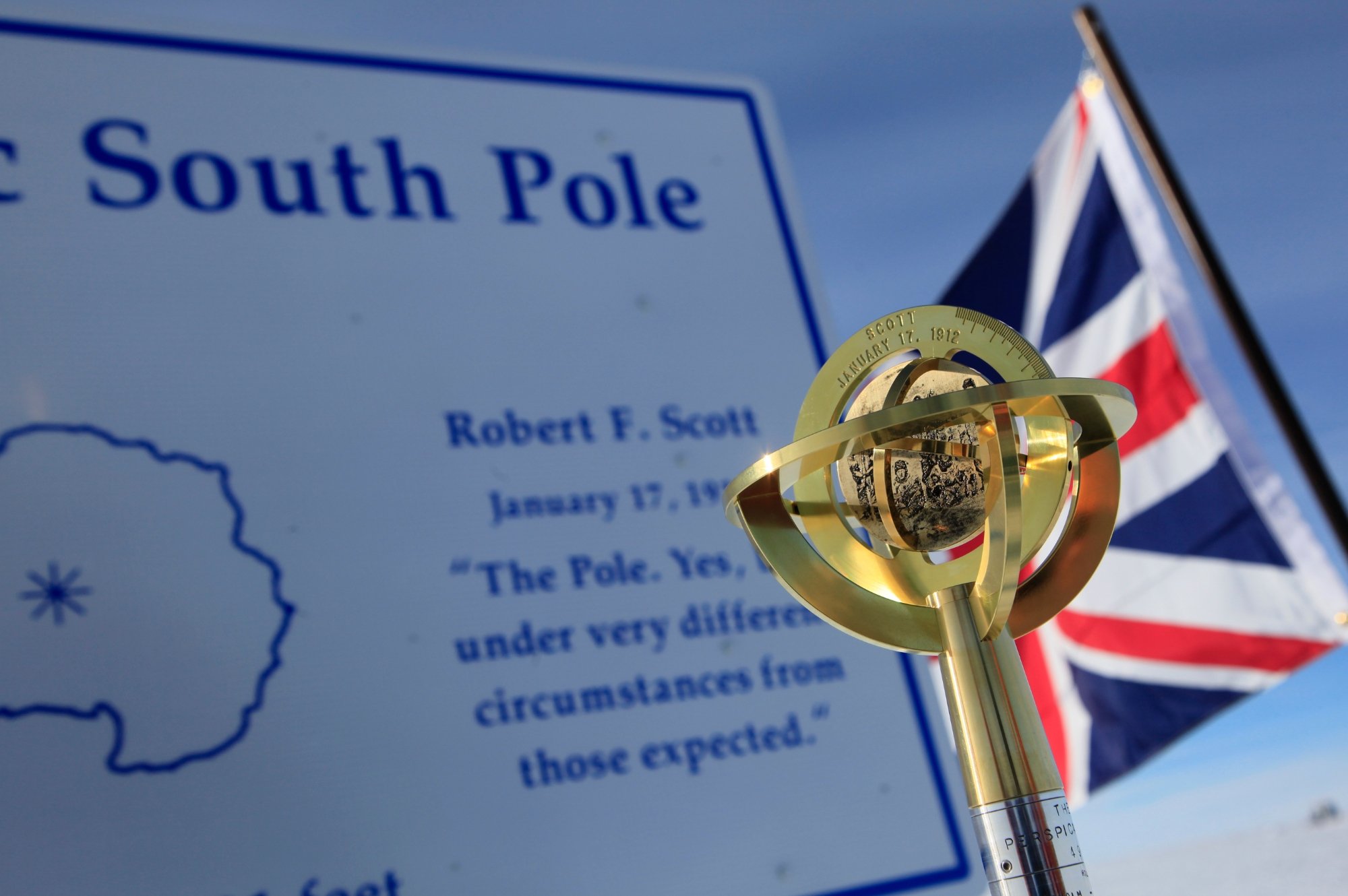
The South Pole is situated on the Antarctic continent, at the bottom of the world, 90 degrees south. The area surrounding the South Pole is a desolate and barren landscape, with ice stretching for miles in every direction. Adventurers and explorers tried to get there in a race for fame and glory, many failed their expedition. The first man who reached the South Pole after an almost flawless expedition, was Roald Amundsen. Nowadays, it is a lot easier to reach the Geographical South Pole.



How to reach the South Pole
In order to visit the South Pole, most visitors fly from mainland South America to a base camp on the Antarctic continent. From there, a special airplane flies to the most southern point of the world. Others may choose to make it themselves more difficult, by skiing the last degree, 60 nautical miles (111 km). The reward after reaching the geographical South Pole by skiing, is overwhelming and indescribable.
Emperor Penguins at the South Pole
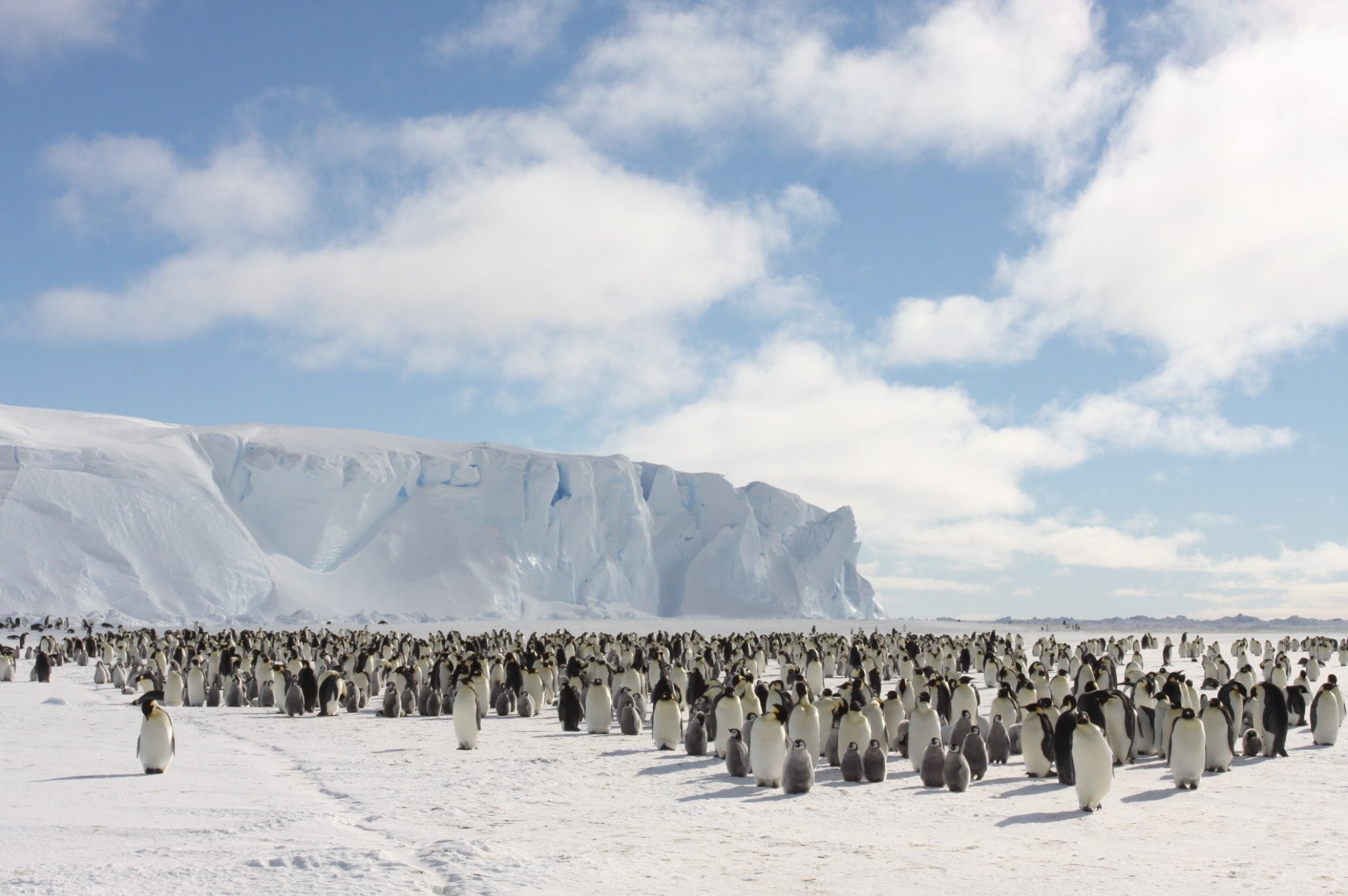
If you have ever seen ‘March of the Penguins’, you know where you can expect to see those extraordinary creatures. The Emperor penguins only live on the seventh continent, Antarctica. You can combine your expedition to the South Pole with a visit to the Emperor penguin colony, an exclusive wildlife experience.

Found the destination of your dreams?
Our travel experts are happy to help you book your trip of a lifetime.
We are Waterproof Expeditions


Map
 Download
the brochure of this destination
Impression


Our trips to South Pole

Fully Booked!
Emperor Penguins Expedition
Camp on the sea ice with Emperor Penguins


| Travel duration: | 9 days |
|---|---|
| Date: | 18 Nov - 26 Nov 2026 |
| Ship: | n/a |
| Passengers: | 70 passengers |
Prices
All prices are per person and depending on availability. Please contact us for more details.
- Airport transfers in Punta Arenas, Chile
- Round trip flight to Antarctica from Punta Arenas
- Round trip flight to Gould Bay Emperor Penguin Colony from Union Glacier, Antarctica
- Meals and tented accommodation in Antarctica
- Antarctic guides
- Celebration event and Certificate of Achievement
- Checked luggage up to 66 lb (30 kg)
- Insurance coverage—personal, medical,evacuation, or otherwise
- Commercial flights to and from Punta Arenas
- Airport transfers outside of Punta Arenas
- Meals and accommodation in Punta Arenas
- Additional flights within Antarctica
- Personal equipment and clothing
- Expenses incurred due to delays
- Luggage over 66 lb (30 kg)
- Satellite phone charges
Would you like some more information?
Contact us!
Emperor Penguins Expedition
Camp on the sea ice with Emperor Penguins | Travel duration: | 9 days |
|---|---|
| Date: | 26 Nov - 04 Dec 2026 |
| Ship: | n/a |
| Passengers: | 70 passengers |
Prices
All prices are per person and depending on availability. Please contact us for more details.
- Airport transfers in Punta Arenas, Chile
- Round trip flight to Antarctica from Punta Arenas
- Round trip flight to Gould Bay Emperor Penguin Colony from Union Glacier, Antarctica
- Meals and tented accommodation in Antarctica
- Antarctic guides
- Celebration event and Certificate of Achievement
- Checked luggage up to 66 lb (30 kg)
- Insurance coverage—personal, medical,evacuation, or otherwise
- Commercial flights to and from Punta Arenas
- Airport transfers outside of Punta Arenas
- Meals and accommodation in Punta Arenas
- Additional flights within Antarctica
- Personal equipment and clothing
- Expenses incurred due to delays
- Luggage over 66 lb (30 kg)
- Satellite phone charges
Would you like some more information?
Contact us!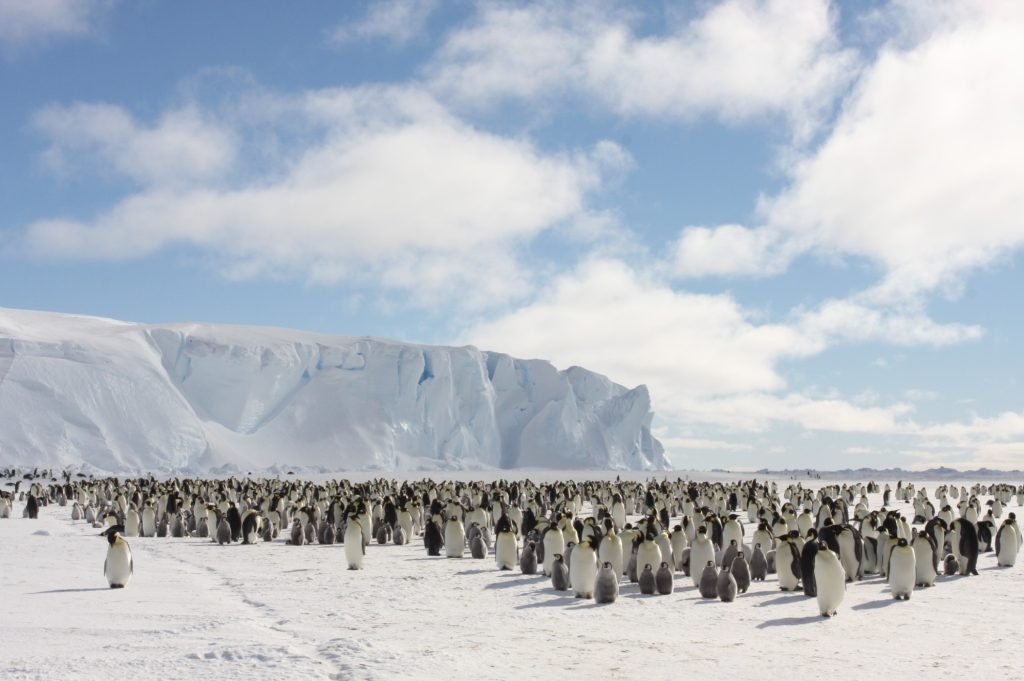
Emperor Penguins & South Pole Expedition
Visit the Emperors & the South Pole | Travel duration: | 9 days |
|---|---|
| Date: | 04 Dec - 12 Dec 2026 |
| Ship: | n/a |
| Passengers: | 70 passengers |
Prices
All prices are per person and depending on availability. Please contact us for more details.
- Airport transfers in Punta Arenas, Chile
- Round trip flight to Antarctica from Punta Arenas
- Round trip flight to Gould Bay Emperor Penguin colony from Union Glacier, Antarctica
- Round trip flight to South Pole from Union Glacier, Antarctica
- Meals and tented accommodation in Antarctica
- Antarctic guides
- Celebration event and Certificate of Achievement
- Checked luggage up to 66 lb (30 kg)
- Insurance coverage—personal, medical,evacuation, or otherwise
- Commercial flights to and from Punta Arenas
- Airport transfers outside of Punta Arenas
- Meals and accommodation in Punta Arenas
- Additional flights within Antarctica
- Personal equipment and clothing
- Expenses incurred due to delays
- Luggage over 66 lb (30 kg)
- Satellite phone charges
Would you like some more information?
Contact us!
Visit the Geographic South Pole
Includes a one day visit to the South Pole | Travel duration: | 6 days |
|---|---|
| Date: | 12 Dec - 17 Dec 2026 |
| Ship: | n/a |
| Passengers: | 70 passengers |
Prices
All prices are per person and depending on availability. Please contact us for more details.
- Airport transfers in Punta Arenas, Chile
- Round trip flight to Antarctica from Punta Arenas
- Round trip flight to South Pole from Union Glacier, Antarctica
- Meals and tented accommodation in Antarctica
- Antarctic guides and lecturer
- Celebration dinner and Certificate of Achievement
- Checked luggage up to 55 lb (25 kg)
- Insurance coverage—personal, medical, evacuation, or otherwise
- Commercial flights to and from Punta Arenas
- Airport transfers outside of Punta Arenas
- Meals and accommodation in Punta Arenas
- Additional flights within Antarctica
- Personal equipment and clothing
- Expenses incurred due to delays
- Luggage over 55 lb (25 kg)
- Satellite phone charges
Would you like some more information?
Contact us!
Visit the Geographic South Pole
Includes a one day visit to the South Pole | Travel duration: | 6 days |
|---|---|
| Date: | 30 Dec - 04 Jan 2027 |
| Ship: | n/a |
| Passengers: | 70 passengers |
Prices
All prices are per person and depending on availability. Please contact us for more details.
- Airport transfers in Punta Arenas, Chile
- Round trip flight to Antarctica from Punta Arenas
- Round trip flight to South Pole from Union Glacier, Antarctica
- Meals and tented accommodation in Antarctica
- Antarctic guides and lecturer
- Celebration dinner and Certificate of Achievement
- Checked luggage up to 55 lb (25 kg)
- Insurance coverage—personal, medical, evacuation, or otherwise
- Commercial flights to and from Punta Arenas
- Airport transfers outside of Punta Arenas
- Meals and accommodation in Punta Arenas
- Additional flights within Antarctica
- Personal equipment and clothing
- Expenses incurred due to delays
- Luggage over 55 lb (25 kg)
- Satellite phone charges
Would you like some more information?
Contact us!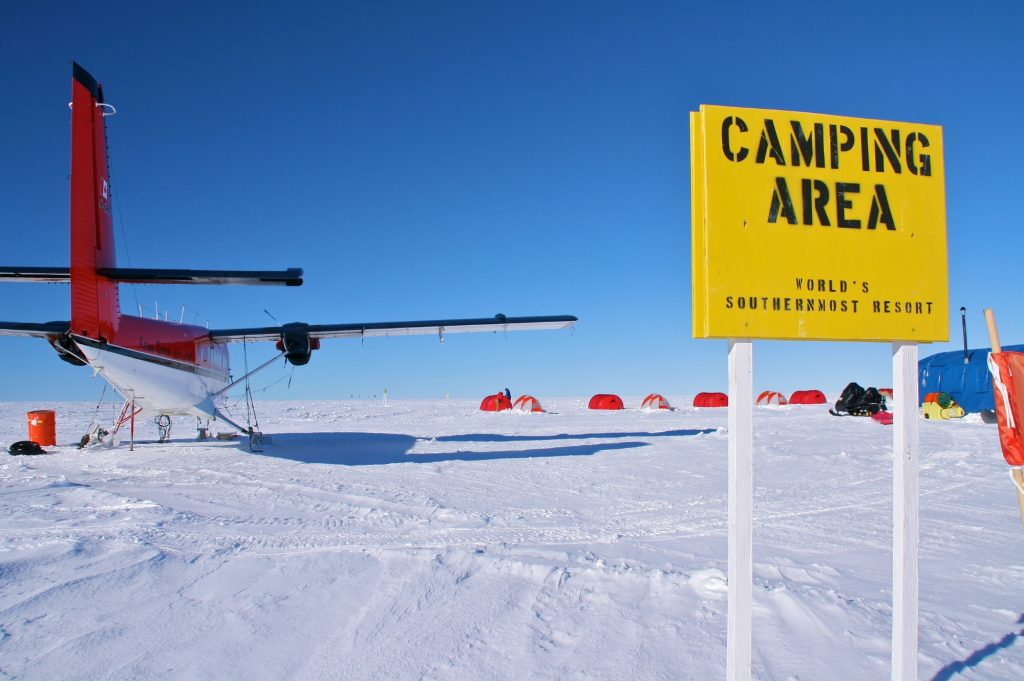
Overnight at the Geographic South Pole
Includes an overnight stay at the South Pole | Travel duration: | 10 days |
|---|---|
| Date: | 10 Jan - 16 Jan 2027 |
| Ship: | n/a |
| Passengers: | 70 passengers |
Prices
All prices are per person and depending on availability. Please contact us for more details.
- Airport transfers in Punta Arenas, Chile
- Round trip flight to Antarctica from Punta Arenas
- Round trip flight to South Pole from Union Glacier, Antarctica
- Overnight stay at the South Pole
- Meals and tented accommodation in Antarctica
- Antarctic guides and lecturer
- Celebration event and Certificate of Achievement
- Checked luggage up to 55lb (25kg)
- Insurance coverage—personal, medical, evacuation, or otherwise
- Commercial flights to and from Punta Arenas
- Airport transfers outside of Punta Arenas
- Meals and accommodation in Punta Arenas
- Additional flights within Antarctica
- Personal equipment and clothing
- Expenses incurred due to delays
- Luggage over 55lb (25kg)
- Satellite phone charges
Would you like some more information?
Contact us!
Visit the Geographic South Pole
Includes a one day visit to the South Pole | Travel duration: | 6 days |
|---|---|
| Date: | 16 Jan - 21 Jan 2027 |
| Ship: | n/a |
| Passengers: |
Prices
All prices are per person and depending on availability. Please contact us for more details.
- Airport transfers in Punta Arenas, Chile
- Round trip flight to Antarctica from Punta Arenas
- Round trip flight to South Pole from Union Glacier, Antarctica
- Meals and tented accommodation in Antarctica
- Antarctic guides and lecturer
- Celebration dinner and Certificate of Achievement
- Checked luggage up to 55 lb (25 kg)
- Insurance coverage—personal, medical, evacuation, or otherwise
- Commercial flights to and from Punta Arenas
- Airport transfers outside of Punta Arenas
- Meals and accommodation in Punta Arenas
- Additional flights within Antarctica
- Personal equipment and clothing
- Expenses incurred due to delays
- Luggage over 55 lb (25 kg)
- Satellite phone charges
Would you like some more information?
Contact us!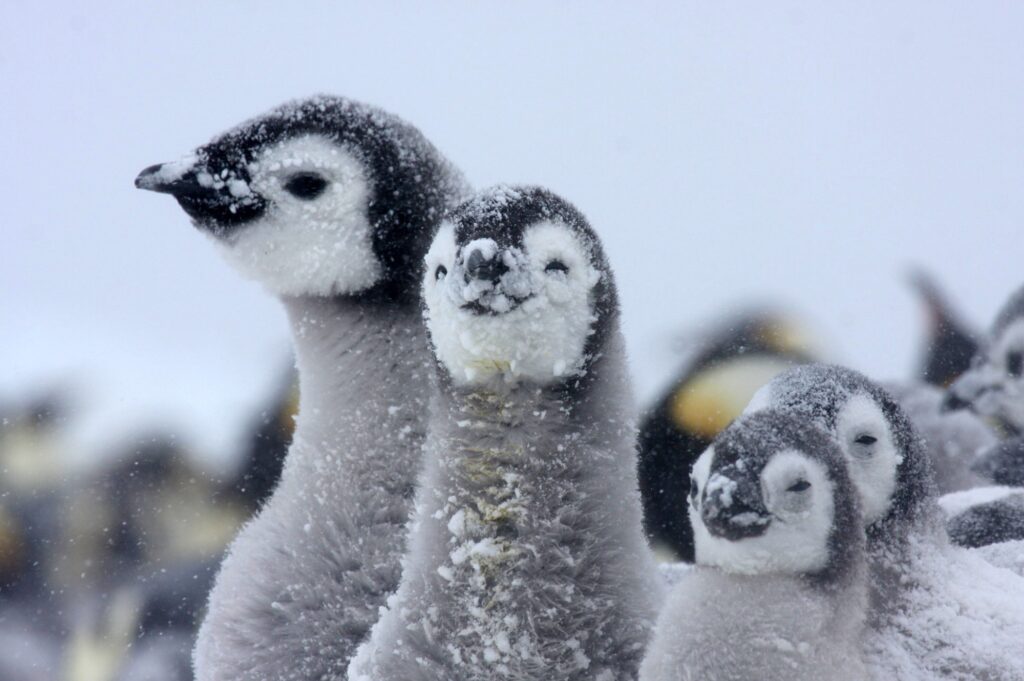
Emperor Penguins & South Pole Expedition
Visit the Emperors Penguin Colony & the South Pole | Travel duration: | 9 days |
|---|---|
| Date: | 26 Nov - 04 Dec 2027 |
| Ship: | n/a |
| Passengers: | 70 passengers |
Prices
All prices are per person and depending on availability. Please contact us for more details.
- Airport transfers in Punta Arenas, Chile
- Round trip flight to Antarctica from Punta Arenas
- Meals and tented accommodation in Antarctica
- Antarctic guides and lecturers
- Celebration event and Certificate of Achievement
- Checked luggage up to 55 lb (25 kg) plus skis
- Commercial flights to and from Punta Arenas
- Airport transfers outside of Punta Arenas
- Meals and accommodation in Punta Arenas
- Additional flights within Antarctica
- Personal equipment and clothing
- Expenses incurred due to delays
- Luggage over 55 lb (25 kg)
- Satellite phone charges
- Insurance coverage—personal, medical, evacuation, or otherwise
Would you like some more information?
Contact us!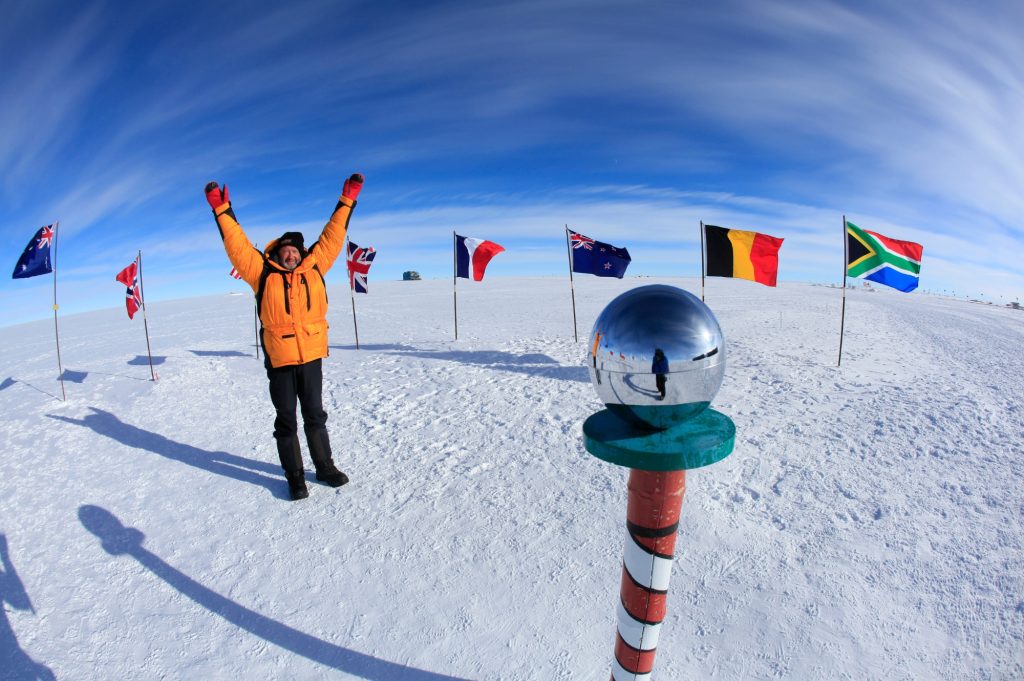
Visit the Geographic South Pole
Includes a one day visit to the South Pole | Travel duration: | 6 days |
|---|---|
| Date: | 12 Dec - 17 Dec 2027 |
| Ship: | n/a |
| Passengers: |
Prices
All prices are per person and depending on availability. Please contact us for more details.
- Airport transfers in Punta Arenas, Chile
- Round trip flight to Antarctica from Punta Arenas
- Meals and tented accommodation in Antarctica
- Antarctic guides and lecturers
- Celebration event and Certificate of Achievement
- Checked luggage up to 55 lb (25 kg) plus skis
- Commercial flights to and from Punta Arenas
- Airport transfers outside of Punta Arenas
- Meals and accommodation in Punta Arenas
- Additional flights within Antarctica
- Personal equipment and clothing
- Expenses incurred due to delays
- Luggage over 55 lb (25 kg)
- Satellite phone charges
- Insurance coverage—personal, medical, evacuation, or otherwise
Would you like some more information?
Contact us!
Visit the Geographic South Pole
Includes a one day visit to the South Pole | Travel duration: | 6 days |
|---|---|
| Date: | 30 Dec - 04 Jan 2028 |
| Ship: | n/a |
| Passengers: | 70 passengers |
Prices
All prices are per person and depending on availability. Please contact us for more details.
- Airport transfers in Punta Arenas, Chile
- Round trip flight to Antarctica from Punta Arenas
- Meals and tented accommodation in Antarctica
- Antarctic guides and lecturers
- Celebration event and Certificate of Achievement
- Checked luggage up to 55 lb (25 kg) plus skis
- Commercial flights to and from Punta Arenas
- Airport transfers outside of Punta Arenas
- Meals and accommodation in Punta Arenas
- Additional flights within Antarctica
- Personal equipment and clothing
- Expenses incurred due to delays
- Luggage over 55 lb (25 kg)
- Satellite phone charges
- Insurance coverage—personal, medical, evacuation, or otherwise
Would you like some more information?
Contact us!
Overnight at the Geographic South Pole
Wake up at the South Pole! | Travel duration: | 7 days |
|---|---|
| Date: | 30 Dec - 05 Jan 2028 |
| Ship: | n/a |
| Passengers: |
Prices
All prices are per person and depending on availability. Please contact us for more details.
- Airport transfers in Punta Arenas, Chile
- Round trip flight to Antarctica from Punta Arenas
- Meals and tented accommodation in Antarctica
- Antarctic guides and lecturers
- Celebration event and Certificate of Achievement
- Checked luggage up to 55 lb (25 kg) plus skis
- Commercial flights to and from Punta Arenas
- Airport transfers outside of Punta Arenas
- Meals and accommodation in Punta Arenas
- Additional flights within Antarctica
- Personal equipment and clothing
- Expenses incurred due to delays
- Luggage over 55 lb (25 kg)
- Satellite phone charges
- Insurance coverage—personal, medical, evacuation, or otherwise
Would you like some more information?
Contact us!
Visit the Geographic South Pole
Includes a one day visit to the South Pole | Travel duration: | 6 days |
|---|---|
| Date: | 16 Jan - 21 Jan 2028 |
| Ship: | n/a |
| Passengers: |
Prices
All prices are per person and depending on availability. Please contact us for more details.
- Airport transfers in Punta Arenas, Chile
- Round trip flight to Antarctica from Punta Arenas
- Meals and tented accommodation in Antarctica
- Antarctic guides and lecturers
- Celebration event and Certificate of Achievement
- Checked luggage up to 55 lb (25 kg) plus skis
- Commercial flights to and from Punta Arenas
- Airport transfers outside of Punta Arenas
- Meals and accommodation in Punta Arenas
- Additional flights within Antarctica
- Personal equipment and clothing
- Expenses incurred due to delays
- Luggage over 55 lb (25 kg)
- Satellite phone charges
- Insurance coverage—personal, medical, evacuation, or otherwise
Would you like some more information?
Contact us!FAQ
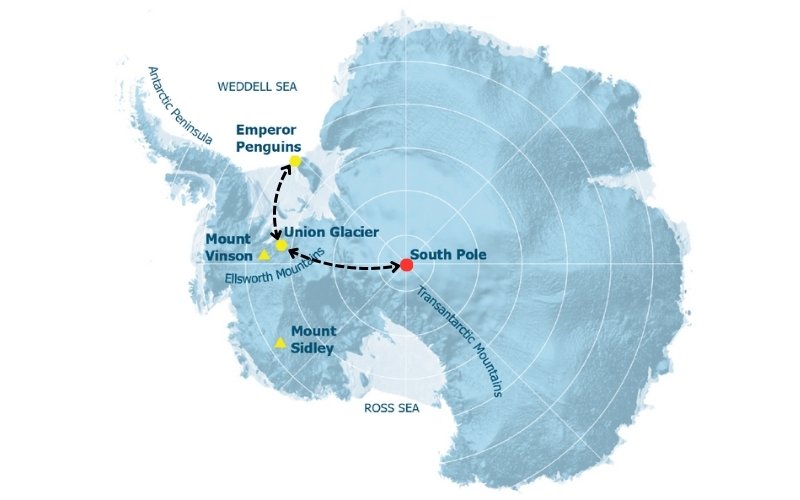
To reach the Geographic South Pole, your journey begins with a flight from mainland South America to a basecamp deep in the interior of Antarctica. Most travelers arrive at Union Glacier, the main basecamp, which serves as the gateway to further exploration.
Once a suitable weather window opens, you’ll board a flight to the Geographic South Pole. The flight typically takes between 4 to 4.5 hours, crossing some of the most remote and pristine landscapes on Earth.
Even though these expeditions take place during the Austral summer, you will likely experience very cold temperatures in Antarctica and at the South Pole. The effects of the altitude also decreases the temperatures. The South Pole is located 2,835m (9,300 ft) in elevation with temperatures typically ranging from -35 C to -25 C (-31 F to -13 F). The air is extremely dry, and wind chill can make it feel even colder.
The tents offer as much comfort as able in an extreme circumstance. The tents are heated with double walls, a design called Arctic Oven. Additionally, the camps have cots, padded sleeping mats, pillows, and polar-rated sleeping bags.
Visitors can stand at 90° South, visit the ceremonial and Geographic South Pole markers, tour the Amundsen-Scott research station (if permitted), and experience the vast, silent polar desert. Standing at the southernmost point of the earth is something only few people will ever experience.
No, you will not find any animals around the basecamp or at the Geographic South Pole, is too harsh for wildlife. If you’re looking to see Emperor Penguins, you can fly out to the Gould Bay Emperor Penguin colony on the remote coast of the Weddell sea.