Interest
Polar Bears
Expeditions to the Arctic offering the best chances for seeing Polar Bears
It’s a dream for many, seeing a polar bear (Ursus maritimus) in their natural home. For the best chances of encountering these wonderful animals, you must travel to the far north. Expeditions to Svalbard and the Canadian Arctic offer you the best opportunities to find the king of the Arctic, polar bears.


Although you have a chance of viewing polar bears on any expedition cruise to the Arctic, some are specifically focussed on seeing and photographing bears. Our small ship Signature Expeditions in Svalbard are led by experienced guides who are knowledgeable about the local environment, wildlife behavior, and safety protocols. They can enhance your wildlife viewing experience while ensuring minimal disturbance to the bears and their habitats.
Svalbard Polar Bears
With a circumpolar distribution, polar bears are a remarkable species. Known in Norwegian as isbjørn/kvitbjørn, in Sami as ‘the old man in the fur coat’, and in Inuti as ‘Nanuk’, meaning animal worth of great respect, it goes without saying that polar bears hold a high importance in Arctic life.

Polar Bear Ecoregions
- Separated into four ice categories: divergent, convergent, archipelago, and seasonal.
- 19 Subpopulations in the Arctic. Including Greenland, Canada, Alaska, and Russia.
- Svalbard population is part of the Barents Sea subpopulation, with 250-300 individuals.
Polar bears in Svalbard have their own behaviours and characteristics! Some prefer to spend most of their time in the pack ice hunting seals and floating around. While others prefer to stay closer to land, resting and searching for food within the terrain. Mostly, the polar bears roam from northern Svalbard, north to the Arctic Ocean in the summer and then return to Svalbard for the winter.
Seeing polar bears in the wild is a unique experience, but it requires patience and an understanding that wildlife is unpredictable. Be prepared for variable weather conditions and changes to the itinerary based on wildlife sightings.
Looking for a unique experience?
Our travel experts are happy to help you find your expedition of a lifetime.
We are Waterproof Expeditions


Impression


Find your expedition: Polar Bears

Classic Svalbard Expedition
Witness Svalbard come to life in the spring!
| Travel duration: | 9 days |
|---|---|
| Date: | 12 May - 20 May 2027 |
| Ship: | Stockholm |
| Passengers: | 12 passengers |
Prices
All prices are per person and depending on availability. Please contact us for more details.
- 1 night in a hotel in Longyearbyen
- 7 nights on board M/S Stockholm
- Lunch day 2
- Visit to Svalbard Museum day 2
- All meals on board
- All beverages on board
- 1 Expedition Leader and 1 guide
- Guiding ashore and talks on board
- All excursions and activities
- Loan of rubber boots
- Slideshow from the trip
- Full carbon offset
- Flight to/from Longyearbyen
- Travel and cancellation insurance
- Gratuity to the ship’s crew
Would you like some more information?
Contact us!
Classic Svalbard Expedition
Witness Svalbard come to life in the spring! | Travel duration: | 9 days |
|---|---|
| Date: | 26 May - 03 Jun 2027 |
| Ship: | Stockholm |
| Passengers: | 12 passengers |
Prices
All prices are per person and depending on availability. Please contact us for more details.
- 1 night in a hotel in Longyearbyen
- 7 nights on board M/S Stockholm
- Lunch day 2
- Visit to Svalbard Museum day 2
- All meals on board
- All beverages on board
- 1 Expedition Leader and 1 guide
- Guiding ashore and talks on board
- All excursions and activities
- Loan of rubber boots
- Slideshow from the trip
- Full carbon offset
- Flight to/from Longyearbyen
- Travel and cancellation insurance
- Gratuity to the ship’s crew
Would you like some more information?
Contact us!
Svalbard Superyacht Expedition
Onboard a luxurious Polar Superyacht!
| Travel duration: | 8 days |
|---|---|
| Date: | 05 Jun - 12 Jun 2027 |
| Ship: | Aqua Lares |
| Passengers: | 30 passengers |
Prices
All prices are per person and depending on availability. Please contact us for more details.
- All onboard meals
- House wines and beer, non-alcoholic drinks
- Twice-daily excursions with expert local guides
- Kayaking and paddleboarding equipment
- Unlimited access to high-speed WiFi
- Flight to/from Longyearbyen
- Travel and cancellation insurance
- Gratuity to the ship’s crew
- Personal expenses such as bar and shop charges
Would you like some more information?
Contact us!
High Arctic Floe Edge Expedition
The Ultimate Arctic Ice Camp Experience

| Travel duration: | 9 days |
|---|---|
| Date: | 07 Jun - 14 Jun 2027 |
| Ship: | n/a |
| Passengers: | 16 passengers |
Prices
All prices are per person and depending on availability. Please contact us for more details.
- Round-trip flights Ottawa to Arctic Bay
- Services of Inuit Guides and Arctic Kingdom expedition staff
- Accommodations:
- 1 night, Arctic Bay accommodation
- 6 nights, Floe Edge Base Camp
- 1 night, hotel in Iqaluit
- All meals:
- 8 Breakfasts | 7 Lunches | 8 Dinners | 2 In-Flight Snacks
- All transportation for duration of stay in camp & Pond Inlet
- Use of kayaks and snorkeling equipment
- International or domestic flights to/from Ottawa, Canada (YOW)
- Tips, gratuities, personal expenses
- Travel, medical and evacuation insurance, cancellation insurance. Evacuation insurance is mandatory and Cancellation/Trip Interruption Insurance is strongly recommended as any additional costs associated with weather and/or layovers in Pond Inlet, Iqaluit or Ottawa are not included
- Polar Clothing Rental Package – strongly encouraged
- Additional costs associated with weather and/or layovers in Ottawa, Iqaluit, or Arctic Bay
Would you like some more information?
Contact us!
Svalbard Superyacht Expedition
Onboard a luxurious Polar Superyacht! | Travel duration: | 8 days |
|---|---|
| Date: | 12 Jun - 19 Jun 2027 |
| Ship: | Aqua Lares |
| Passengers: | 30 passengers |
Prices
All prices are per person and depending on availability. Please contact us for more details.
- All onboard meals
- House wines and beer, non-alcoholic drinks
- Twice-daily excursions with expert local guides
- Kayaking and paddleboarding equipment
- Unlimited access to high-speed WiFi
- Flight to/from Longyearbyen
- Travel and cancellation insurance
- Gratuity to the ship’s crew
- Personal expenses such as bar and shop charges
Would you like some more information?
Contact us!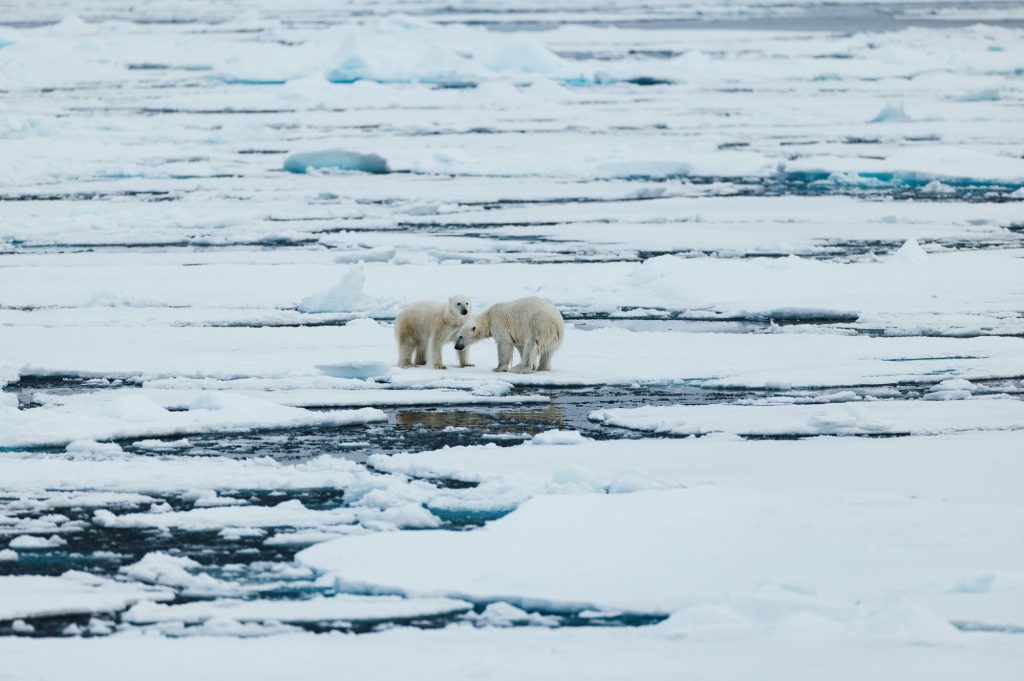
Svalbard Awakening
Svalbard in the Light of the Summer Solstice | Travel duration: | 10 days |
|---|---|
| Date: | 19 Jun - 28 Jun 2027 |
| Ship: | Explorer |
| Passengers: | 12 passengers |
Prices
All prices are per person and depending on availability. Please contact us for more details.
- Accommodation on board.
- Breakfast, lunch & dinner. Starts with dinner on the first night, ends after breakfast on the last day.
- Coffee, tea and water throughout the day.
- Warm zodiac suits.
- Rubber boots for landings. Limited sizes available, please bring your own boots if you want to be certain of a well-fitting pair.
- Shore landings and zodiac cruises.
- Use of sauna and jacuzzi.
- Lectures by the experienced guides.
- All service taxes and port fees.
- Flights & transfers. We recommend scheduling your flight home for the afternoon or evening at the earliest.
- All items of a personal nature such as laundry, bar drinks, etc.
- Gratuities for ships crew and expedition staff.
- Pre and post voyage excursions and hotel.
- Travel insurance.
Travel insurance with worldwide medical evacuation coverage is mandatory. We also strongly recommend taking out trip cancellation insurance. This will cover your costs in case you need to cancel your trip after you’ve confirmed your booking.
Would you like some more information?
Contact us!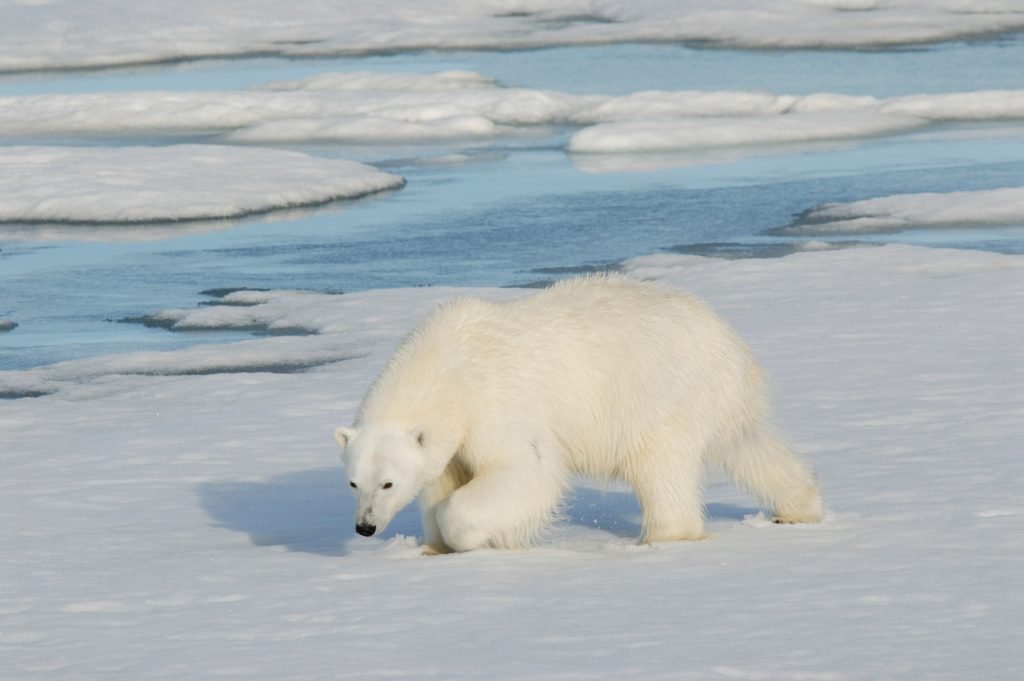
Svalbard’s Frozen North
Into the pack ice with Rinie van Meurs | Travel duration: | 16 days |
|---|---|
| Date: | 28 Jun - 13 Jul 2027 |
| Ship: | Explorer |
| Passengers: | 12 passengers |
Prices
All prices are per person and depending on availability. Please contact us for more details.
- Accommodation on board.
- Breakfast, lunch & dinner. Starts with dinner on the first night, ends after breakfast on the last day.
- Coffee, tea and water throughout the day.
- Warm zodiac suits.
- Rubber boots for landings. Limited sizes available, please bring your own boots if you want to be certain of a well-fitting pair.
- Shore landings and zodiac cruises.
- Use of sauna and jacuzzi.
- Lectures by the experienced guides.
- All service taxes and port fees.
Flights & transfers. We recommend scheduling your flight home for the afternoon or evening at the earliest.
- All items of a personal nature such as laundry, bar drinks, etc.
- Gratuities for ships crew and expedition staff.
- Pre and post voyage excursions and hotel.
Travel insurance with worldwide medical evacuation coverage is mandatory. We also strongly recommend taking out trip cancellation insurance. This will cover your costs in case you need to cancel your trip after you’ve confirmed your booking.
Would you like some more information?
Contact us!
Classic Svalbard Expedition
Explore Svalbard's polar landscapes and Arctic wildlife | Travel duration: | 12 days |
|---|---|
| Date: | 02 Jul - 13 Jul 2027 |
| Ship: | Balto |
| Passengers: | 12 passengers |
Prices
All prices are per person and depending on availability. Please contact us for more details.
- 1 night in a hotel in Longyearbyen
- 10 nights on board M/S Balto
- Lunch day 2
- Visit to Svalbard Museum day 2
- All meals on board
- Coffee and tea
- 1 Expedition Leader and 1 guide
- Guiding ashore and talks on board
- All excursions and activities
- Loan of rubber boots
- Slideshow from the trip
- Full carbon offset
- Flight to/from Longyearbyen
- Travel and cancellation insurance
- Gratuity to the ship’s crew
Would you like some more information?
Contact us!
Circumnavigation of Svalbard
Explore Svalbard in Comfort and Style! | Travel duration: | 12 days |
|---|---|
| Date: | 06 Jul - 17 Jul 2027 |
| Ship: | Stockholm |
| Passengers: | 12 passengers |
Fully booked
Svalbard’s Frozen North
Into the pack ice with Rinie van Meurs | Travel duration: | 13 days |
|---|---|
| Date: | 13 Jul - 25 Jul 2027 |
| Ship: | Explorer |
| Passengers: | 12 passengers |
Prices
All prices are per person and depending on availability. Please contact us for more details.
- Accommodation on board.
- Breakfast, lunch & dinner. Starts with dinner on the first night, ends after breakfast on the last day.
- Coffee, tea and water throughout the day.
- Warm zodiac suits.
- Rubber boots for landings. Limited sizes available, please bring your own boots if you want to be certain of a well-fitting pair.
- Shore landings and zodiac cruises.
- Use of sauna and jacuzzi.
- Lectures by the experienced guides.
- All service taxes and port fees.
Flights & transfers. We recommend scheduling your flight home for the afternoon or evening at the earliest.
- All items of a personal nature such as laundry, bar drinks, etc.
- Gratuities for ships crew and expedition staff.
- Pre and post voyage excursions and hotel.
Travel insurance with worldwide medical evacuation coverage is mandatory. We also strongly recommend taking out trip cancellation insurance. This will cover your costs in case you need to cancel your trip after you’ve confirmed your booking.
Would you like some more information?
Contact us!FAQ
The best time to see polar bears in Svalbard is during the summer months, roughly from June to September. This is when the sea ice has retreated, and polar bears are more active on land, hunting for seals and socializing.
Additionally, polar bears are also seen in the pack ice. Our Signature Expeditions allow flexibility to head north, past where the land terminates, and continue on the search. Days in the pack ice searching for polar bears are some of our favourite expedition days!
It’s crucial to prioritize the safety and well-being of both humans and wildlife. Maintaining a safe distance from polar bears and following the guidelines set by your guides to avoid disturbing the animals are crucial.
When polar bears has been sighted, we will not actively approach them for a closer look. We will only observe the bears from the ship. Not only is this the safest way to view polar bears, we will also avoid scaring them off by sudden movements and noises.
In the case of a polar bear sighting while you are on land, the guides will urge everyone to go into the zodiacs immediately and return to the ship.
Although you have chances of viewing a polar bear on any expedition to the Arctic, we usually have much more encounters during our small ship voyages. These don’t have a fixed itinerary and are primarily focused on photography. Travelling on board a small ship with only 12-16 guests offers us the freedom to alter our plans according to wildlife sightings.