The kingdom of ice and polar exploration, the Weddell Sea offers a unique itinerary. Expeditions to the Weddell Sea are unlike any classic Antarctica expedition. Here, you will witness a endless ice floes, majestic tabular icebergs and immaculate silence, which makes up the landscapes of this pristine world.
Antarctica Weddell Sea trips navigate through one of the world’s most extreme envrionments. Your expedition will cross the famous Drake Passage before heading into Antarctic Sound, where you will be met with the infamous Weddell Sea ice. Historically, a site exploreres nervously laid their eye upon, now, it is a site we long for. Few expeditions brave the Weddell Sea each year, meaning few get to witness its beauty.


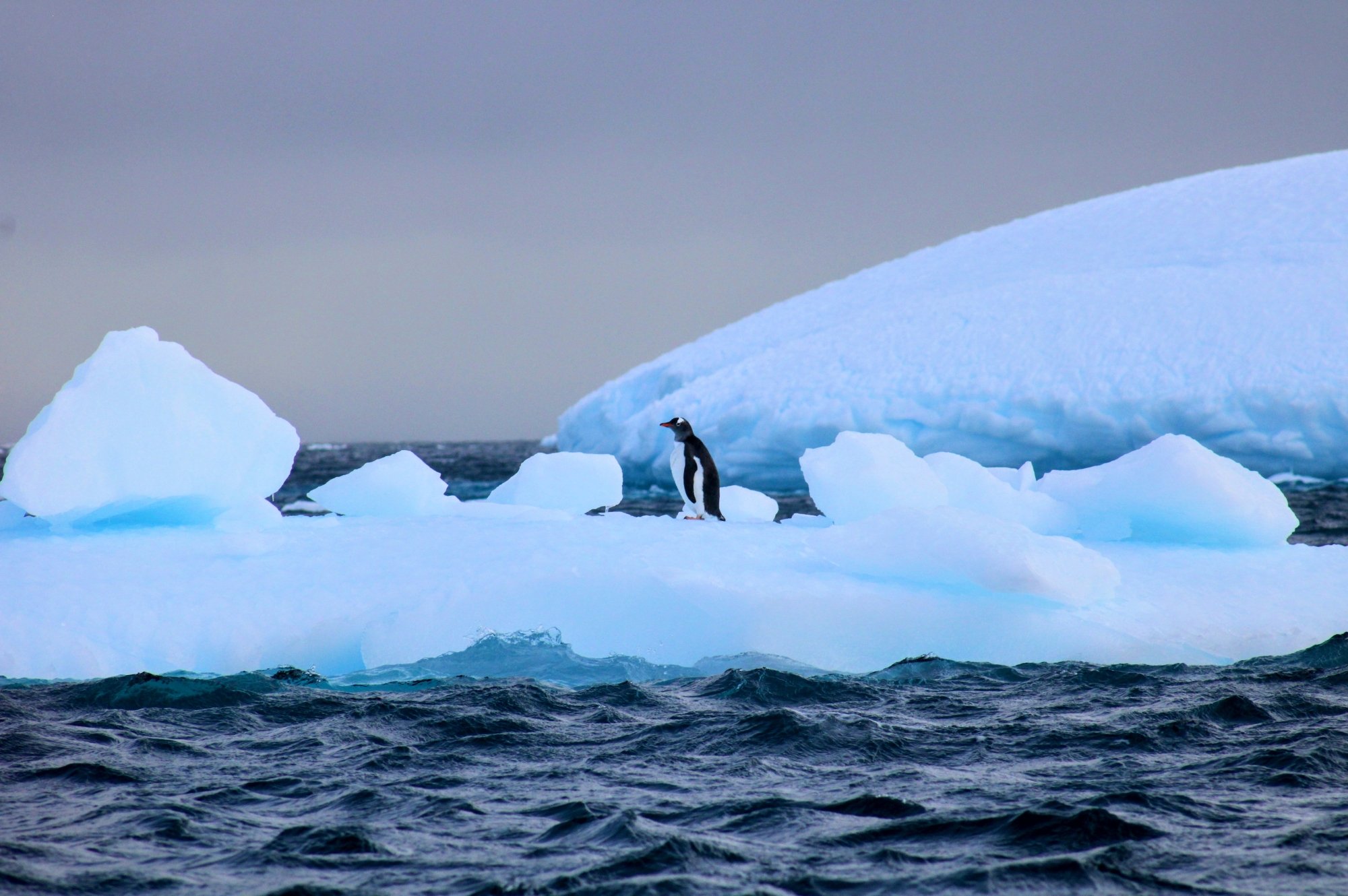


Exploration in the Weddell Sea
There are various landing sites and zodiac cruise opportunity in the Weddell Sea. Among the towering icebers, whales come up to the surface to take a breath while feeding. Seals are hauled out on top of ice floes, having a rest until their next meal. While sea birds are circulating above, effortlessly gliding through the wind. Many fascinating polar explorations have part of their story in the Weddell Sea. Two of the most famous being Shakelton’s Endurance expedition in 1914 and Otto Nordenskjöld’s Swedish Antarctic Expedition in 1901.

The Chance to See Emperor Penguins
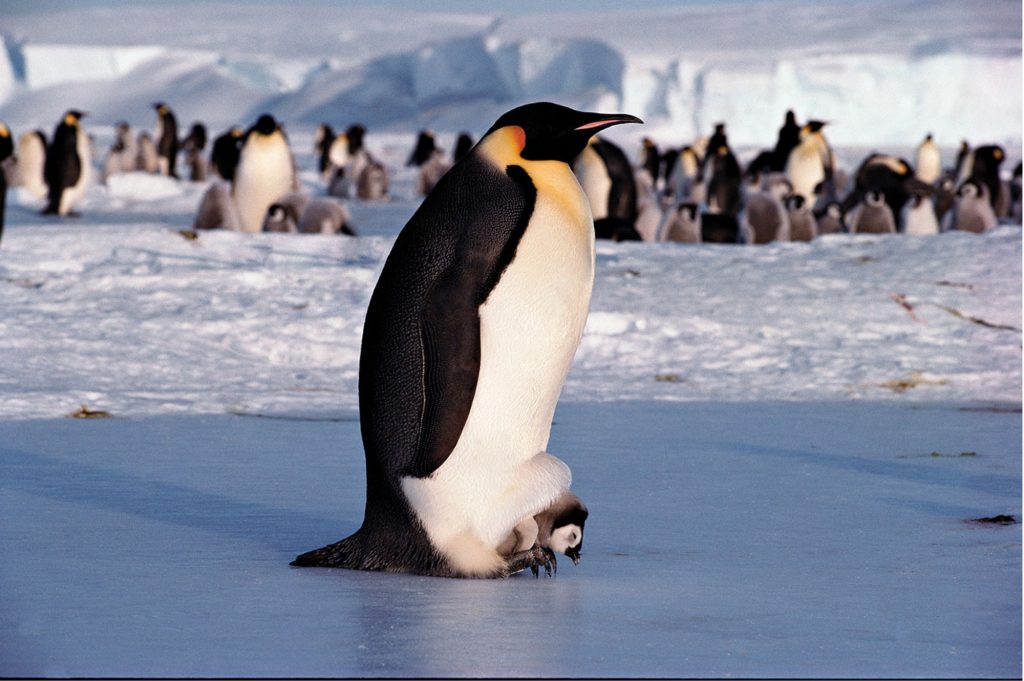
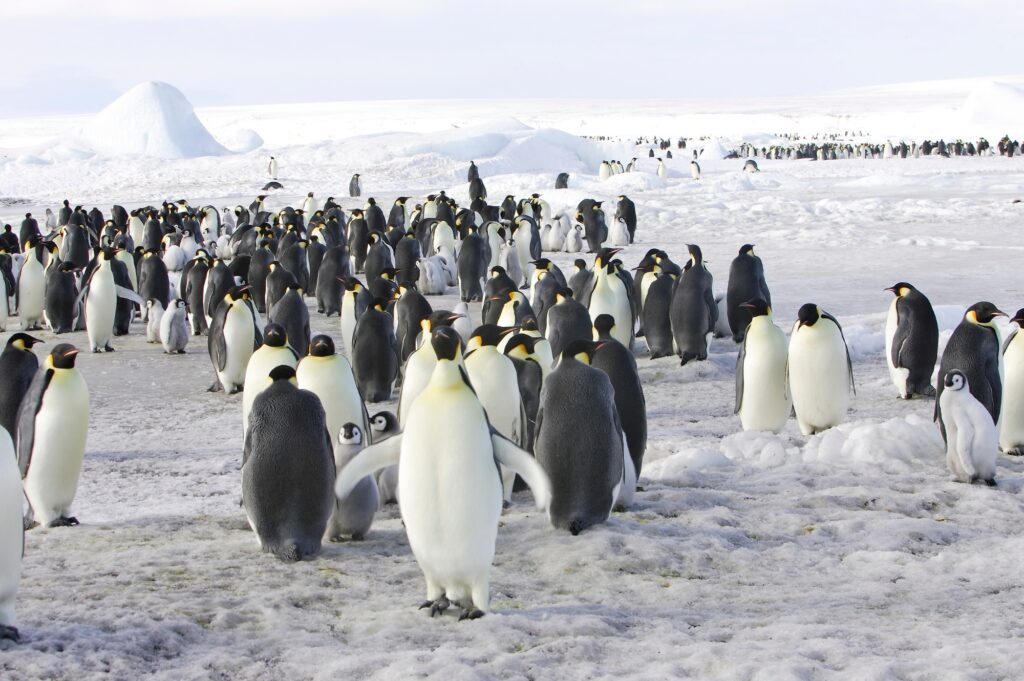
Emperor penguins can be found in various locations around the Antarctica Peninsula. If you are hoping to see Emperors, an expedition to the Weddell Sea would be your best chance. Although nothing is guaranteed, this is where they are more frequently spotted. It is possible to see them on the Western side of the Peninsula, however, their main habitat range is on the Eastern side on the Antarctic Peninsula, in the Weddell Sea.
Emperor penguins have large colonies on land but it is also possible to see them on ice floes or icebergs. You do not need to go to a landing site to see Emperor Penguins and it is possible to see them on ice throughout the Weddell Sea.
Weddell Sea Exploration

Prices
All prices are per person and depending on availability. Please contact us for more details.
- Voyage aboard the indicated vessel as indicated in the itinerary.
- All meals throughout the voyage aboard the ship including snacks, coffee and tea.
- All shore excursions and activities throughout the voyage by Zodiac.
- Program of lectures by noted naturalists and leadership by experienced expedition staff.
- Complimentary use of waterproof neoprene expedition muck boots and snowshoes.
- Ship-to-shore helicopter transfers (with no specific amount of helicopter time guaranteed)
- Luggage transfer from pick-up point to the vessel on the day of embarkation, in Ushuaia.
- Pre-scheduled group transfer from the vessel to the airport in Ushuaia (directly after disembarkation).
- All miscellaneous service taxes and port charges throughout the programme.
- Comprehensive pre-departure material.
- Complimentary Wi-Fi connectivity. All guests receive 1.5 GB of data usage per day, which resets every 24 hours.
- Complimentary Dopper water bottle for use during and after your expedition.
- Any airfare, whether on scheduled or charter flights.
- Pre- and post- land arrangements.
- Passport and visa expenses.
- Government arrival and departure taxes.
- Meals ashore.
- Baggage, cancellation and personal insurance (which is strongly recommended).
- Excess baggage charges and all items of a personal nature such as laundry, bar, beverage charges and telecommunication charges.
- The customary gratuity at the end of the voyages for stewards and other service personnel aboard (guidelines will be provided).
Would you like some more information?
Contact us!Map

Map
 Download
the brochure for this expedition
Sample itinerary
This itinerary is an example, we cannot guarantee any specific sightings or landings. Every expedition is different, and plans have to be changed often when you are dealing with weather and wildlife in remote locations like Antarctica. This is what makes an Antarctica expedition cruise so authentic.
A flexibel mindset is key, your expedition team will always work to deliver the best possible Antarctic experience.
Day 1 | Depart Ushuaia
Your Expedition Cruise to Antarctica starts from Ushuaia, the southern-most town of Argentina. We advise you to arrive one day before departure, just in case your flight might be delayed.
Take some time to explore Ushuaia and it’s surroundings, and maybe head down to the port to spot your expedition ship. Boarding the ship will commence late in the afternoon. And while sailing down the beautiful Beagle Channel, you will have time to get settled in your room, attend the safety briefings and enjoy your first dinner on board. Your expedition to Antarctica has officially begun!


Day 2-3 | Crossing the Drake Passage
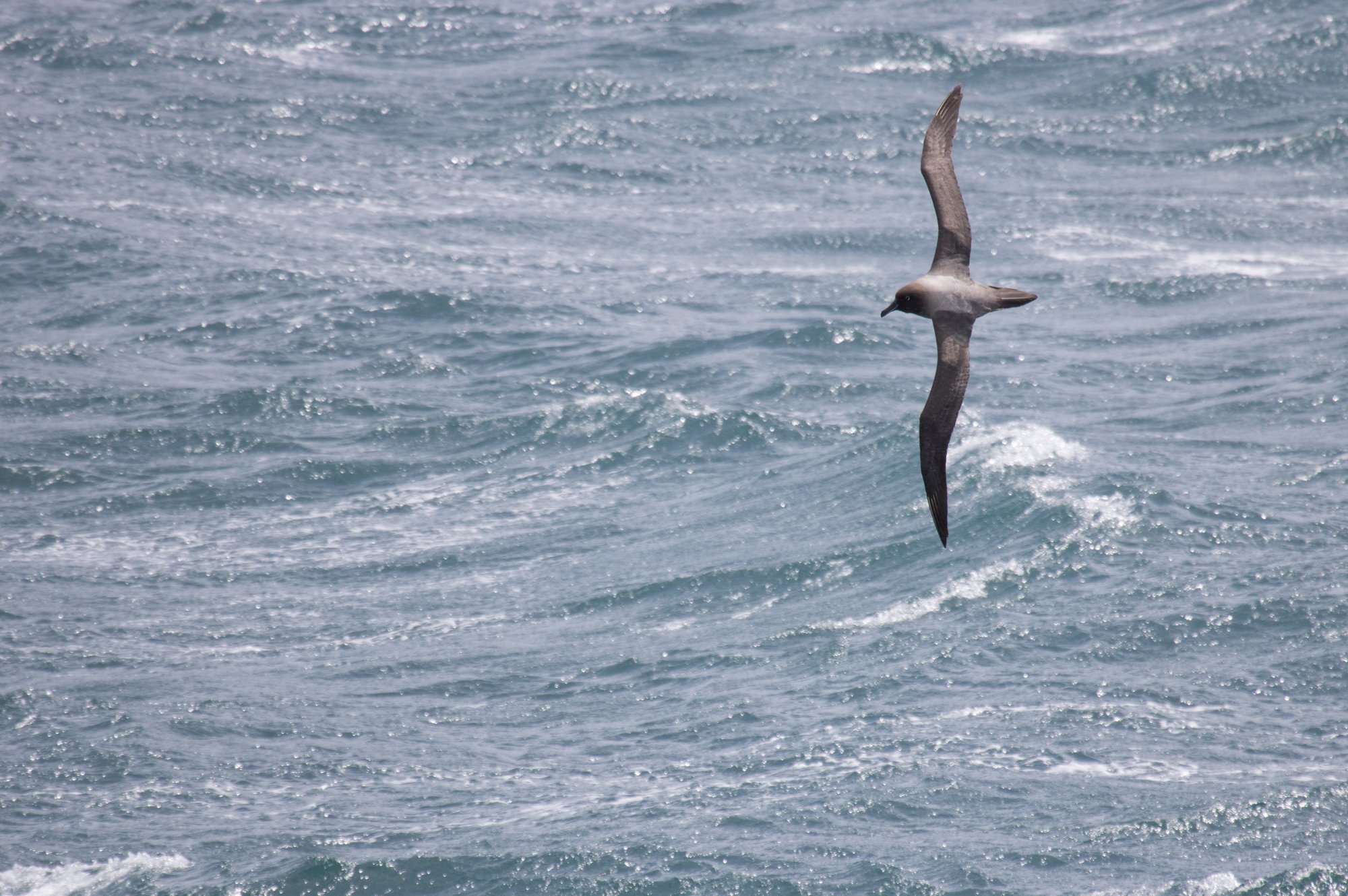
Once the ship exits the Beagle Channel, you find yourself on the open ocean for a 2-day crossing of the Drake Passage. Even though you will be at sea with no land in sight for two days, you don’t have to worry about it being boring. It’s always worth having a look out on deck, whales or dolphins sometimes make an appearance and you will often see albatrosses and storm petrels flying alongside the ship. The guides will commence their lecture program about the Antarctic wildlife, geology, history and geography.
Arrival In Antarctica!
Nearing the tip of the Antarctic Peninsula, excitement grows with everyone on the lookout for the first iceberg. The ocean takes on a whole new perspective once you are below the Antarctic Convergence. You are likely to find yourself surrounded by oddly-shaped icebergs and you might see some colossal ‘tabular’ icebergs that have separated from the continent’s ice shelf. Also, the chances of seeing whales increase the closer you get to the Antarctic Peninsula.
Depending on the weather and exact route of your voyage, you might approach Antarctica near the South Shetland Islands. The ship will then likely enter Bransfield Strait either at the eastern end of King George Island or the western extremity of Livingston Island. From here on, the Weddell Sea is only a few hours more of sailing!
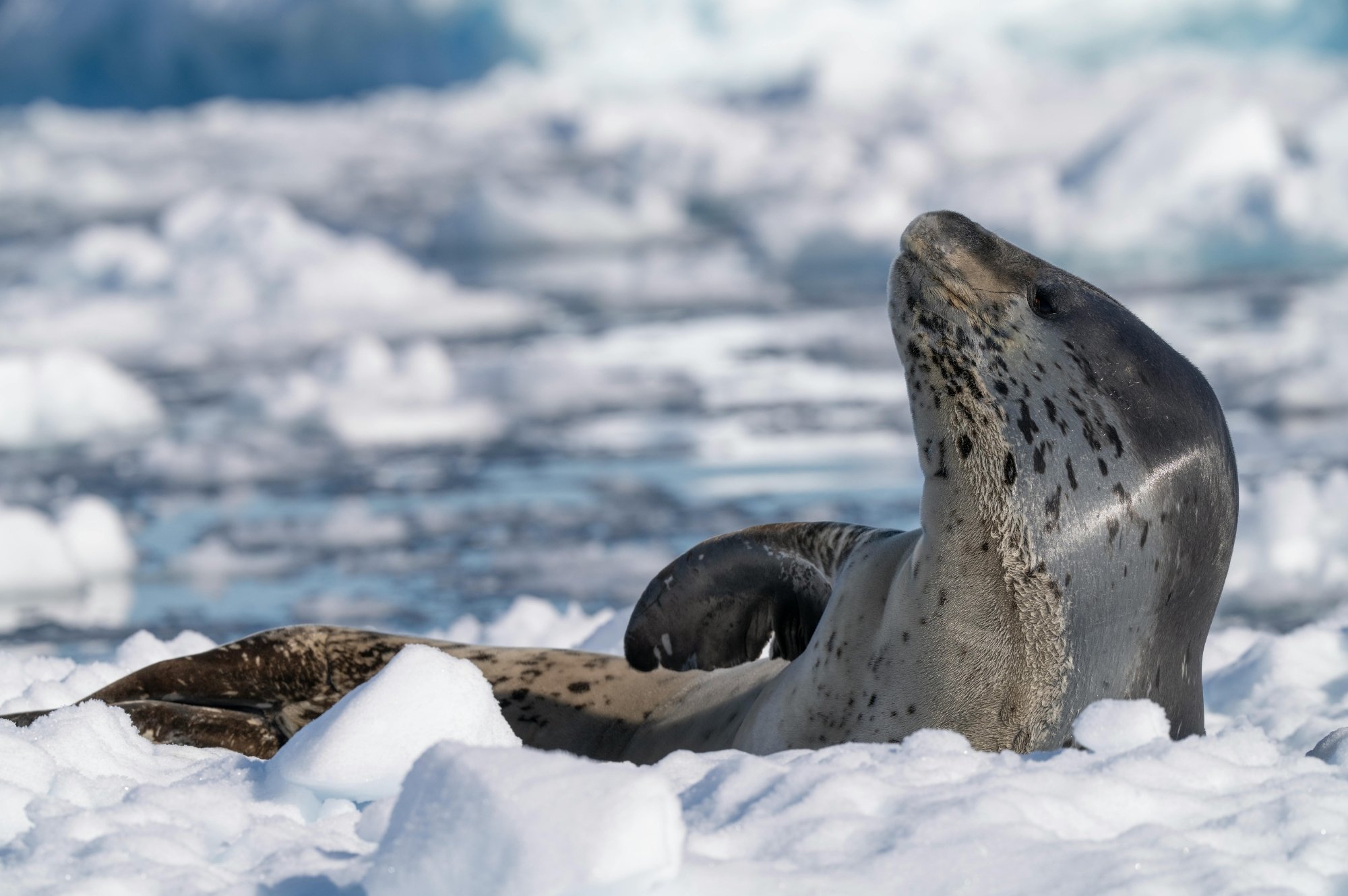
Days Onboard & Places You Could Visit
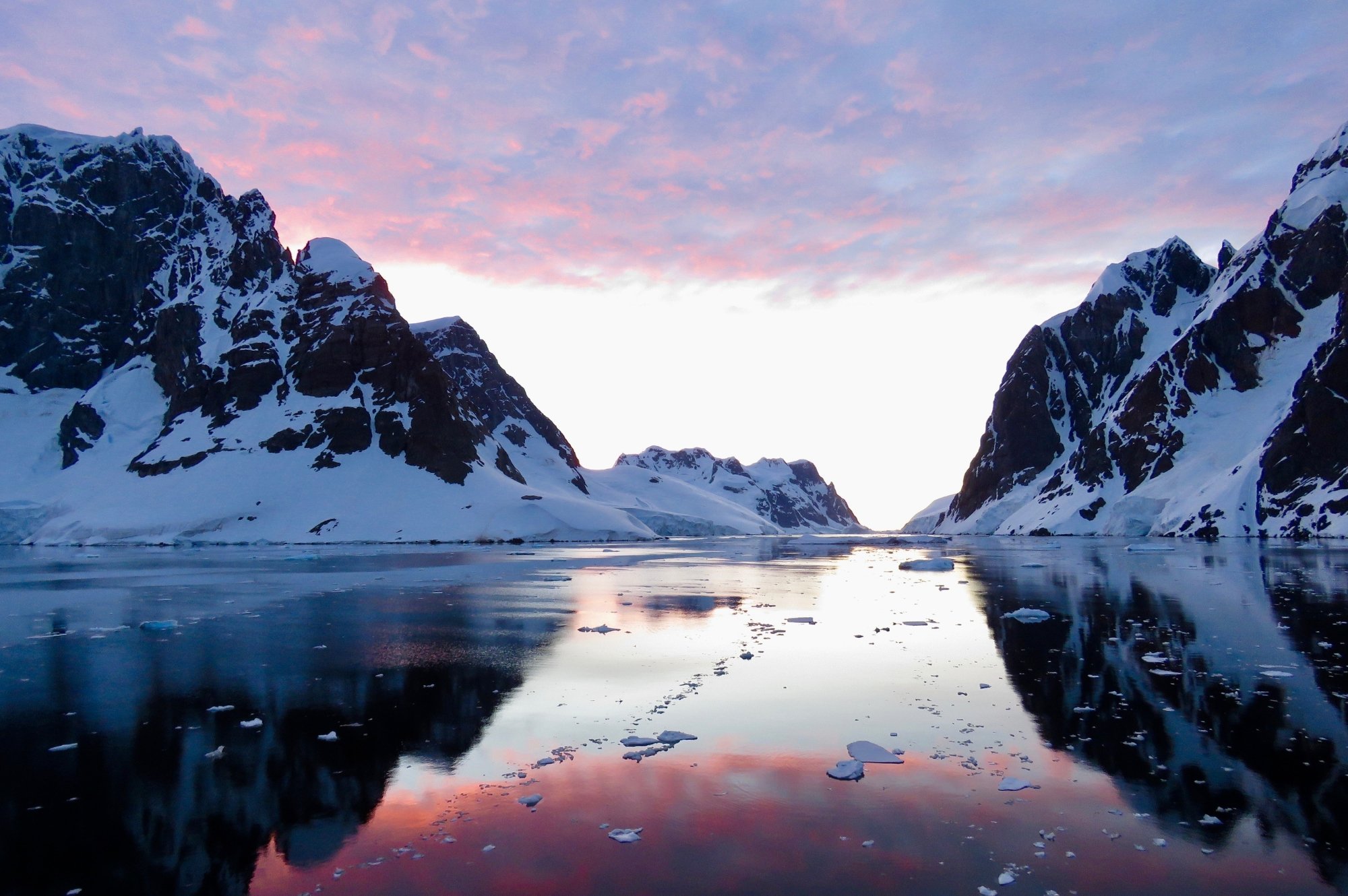
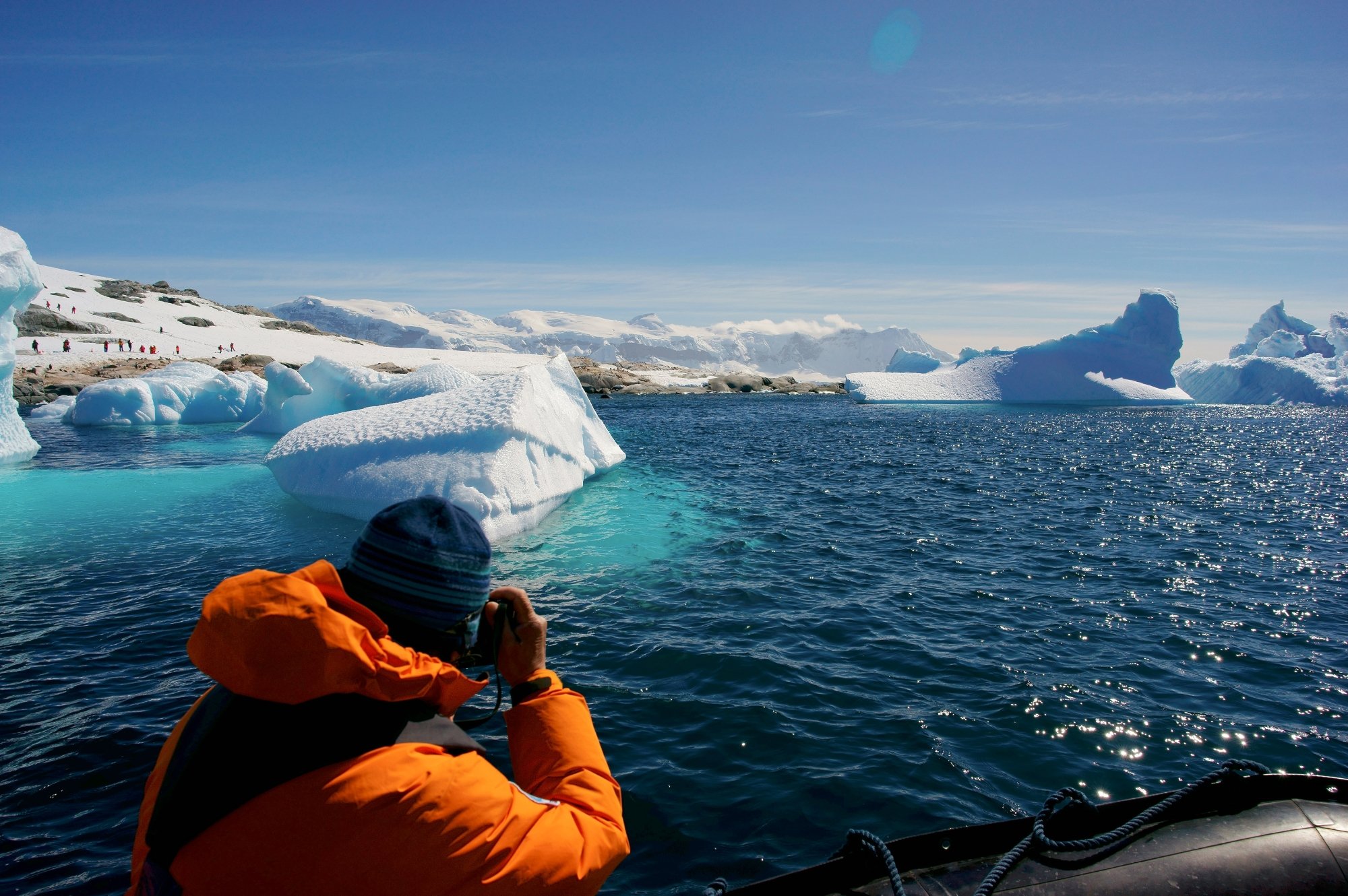
Once the ship has navigated through Antarctic Sound, the expansiveness of the Weddell Sea becomes very clear. At the entrance, you will see a small cluster of islands before the ice edge commenses. The sea can be so still it mirrors the surrounding mountains, an awe-inspring sight that captures the serene beauty of the polar landscape.
The itinerary is flexible and depending on the current weather conditions. You could visit any of the following places:
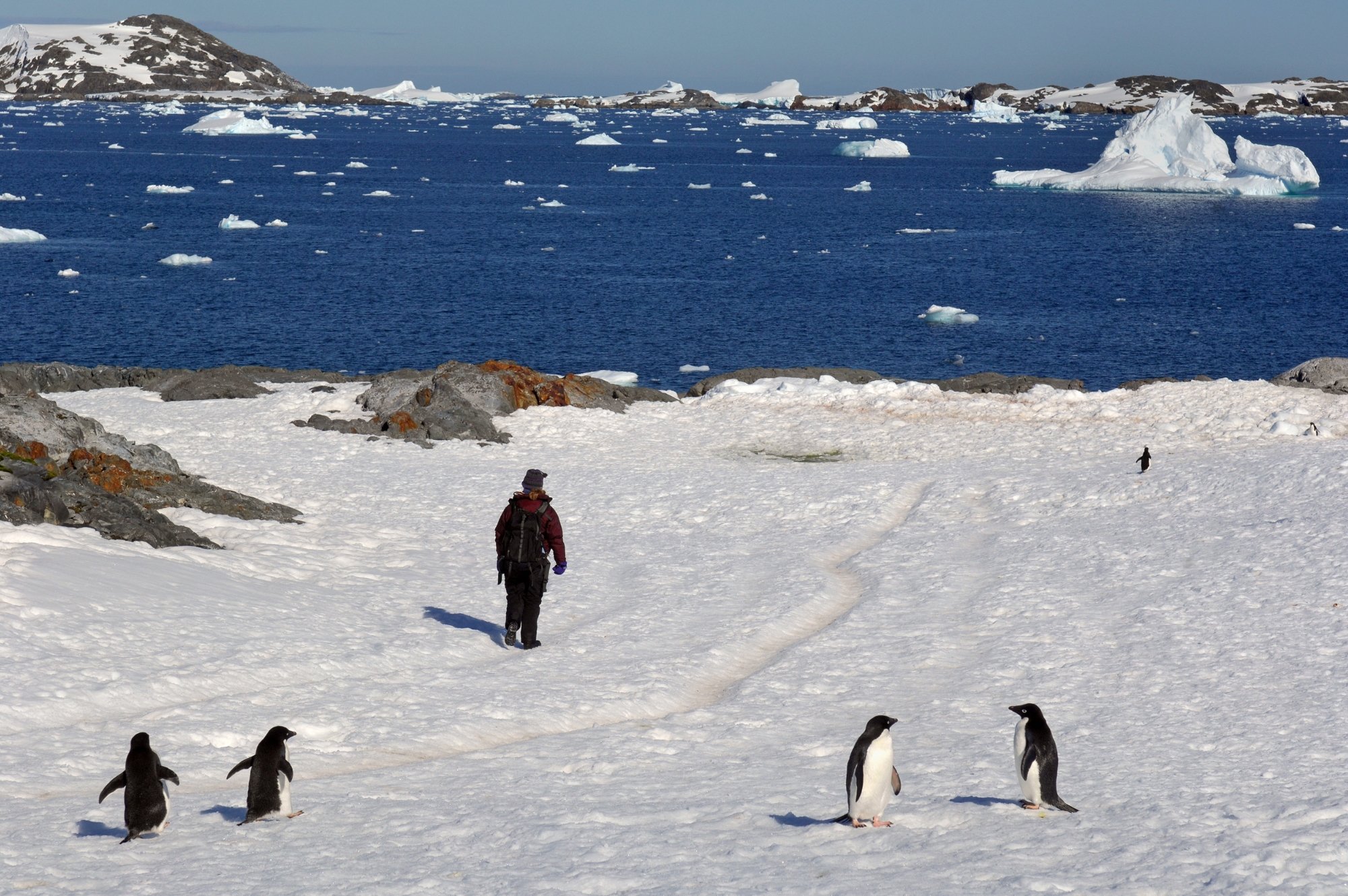
- Brown Bluff: A towering, ice-capped volcanic cliff with a 3 kilometer long beach, squeezed in between two impressive glaciers.
- Devil Island: Part of the James Ross island group, but despite the name, it is a pristine penguin paradise.
- Paulet Island: Geothermically heated and, coincidentally, ice free. Home to over 100,000 breeding pairs of Adelie penguins and historical features from British and Swedish exploration.
- Cape Well Met: A coastal feature named by the Swedish expeditions during an unexpected, and life-saving, meeting.
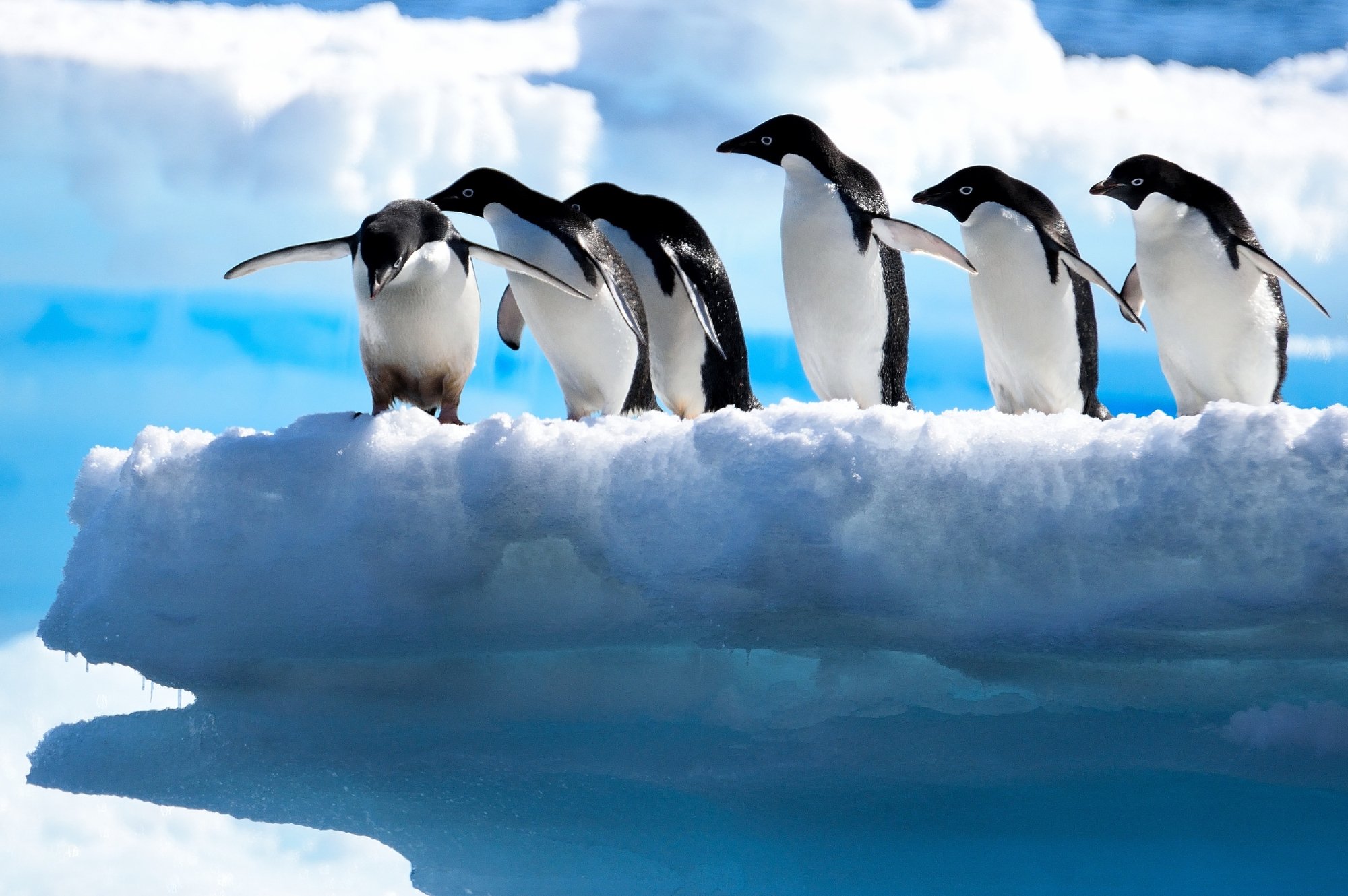
Snow Hill- Emperor Penguin Colony
Depending on the itinerary, you could reach Snow Hill either from ship-to-shore helicopter landing, or with an ice breakering ship which will transport you as close as the ice allows. A seldom-visited island claims one of the largest emperor penguin colonies on the planet. If the ice and weather conditions are in our favor, an attempt can be made to land at Snow Hill.
The ship’s navigation team and expedition leader will work closely, hand in hand, to assess the possibility. All operational choices are made after a compelte risk assessment is complete and the activity is deemed safe. Heavy ice may prevent entrance to this area from the Weddell Sea, and ice at the rookery itself might break up and start to melt earlier than expected. Only a few expeditions per year manage to reach Snow Hill Island.
If successful, this is a once in the lifetime experience; but remember, flexibility is the key to expeditions!


Final Days & Heading Back to Ushuaia
Every great adventure eventually comes to an end. While crossing the Drake Passage, you’re again greeted by the vast array of seabirds guiding you home. An Expedition Cruise to Antarctica will create life lasting memories and new friendships. By the time you have to disembark in Ushuaia you’ll have countless photos and stories to share with friends and relatives.
Disembarkation usually takes place after breakfast. We recommend scheduling your flights home no earlier than the afternoon or evening.
Activities
|
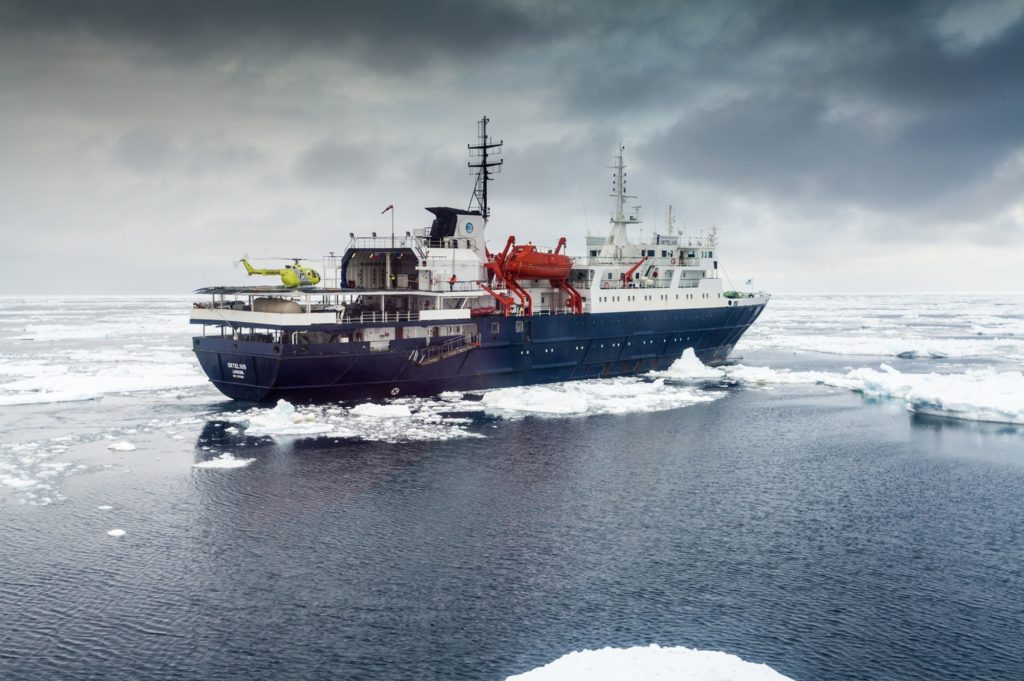
Depending on the ship you choose, your voyage may include helicopter flights. With a helicopter, it is possible to reach the Emperor penguin colony on Snow Hill Island. It also offers a spectacular opportunity to admire the Antarctic landscape from the air. Please keep in mind that this activity is highly dependent on weather conditions. |
Impression


Dates & Rates
All prices are per person. Please contact us for more details and availability.
Prices
All prices are per person and depending on availability. Please contact us for more details.
- Voyage aboard the indicated vessel as indicated in the itinerary.
- All meals throughout the voyage aboard the ship including snacks, coffee and tea.
- All shore excursions and activities throughout the voyage by Zodiac.
- Program of lectures by noted naturalists and leadership by experienced expedition staff.
- Complimentary use of waterproof neoprene expedition muck boots and snowshoes.
- Ship-to-shore helicopter transfers (with no specific amount of helicopter time guaranteed)
- Luggage transfer from pick-up point to the vessel on the day of embarkation, in Ushuaia.
- Pre-scheduled group transfer from the vessel to the airport in Ushuaia (directly after disembarkation).
- All miscellaneous service taxes and port charges throughout the programme.
- Comprehensive pre-departure material.
- Complimentary Wi-Fi connectivity. All guests receive 1.5 GB of data usage per day, which resets every 24 hours.
- Complimentary Dopper water bottle for use during and after your expedition.
- Any airfare, whether on scheduled or charter flights.
- Pre- and post- land arrangements.
- Passport and visa expenses.
- Government arrival and departure taxes.
- Meals ashore.
- Baggage, cancellation and personal insurance (which is strongly recommended).
- Excess baggage charges and all items of a personal nature such as laundry, bar, beverage charges and telecommunication charges.
- The customary gratuity at the end of the voyages for stewards and other service personnel aboard (guidelines will be provided).
Would you like some more information?
Contact us!Other dates

Prices
All prices are per person and depending on availability. Please contact us for more details.
- Specalist Expedition Leaders
- Immersive Off-sip Activities
- On-Ship Experience and Facilities
- Food & Beverage
- Complementary Wi-Fi
- Official Quark Expeditions parka to take home
- International airfare
- Visa expenses and travel insurance
- On-ship expenses
- Optional adventure options
- Trip extensions
Would you like some more information?
Contact us!Prices
All prices are per person and depending on availability. Please contact us for more details.
- Specialist Expedition Leaders
- Immersive Off-ship activities
- On-Ship Experience and Facilities
- Food & Beverage
- Complementary Wi-Fi
- Official Quark Expeditions parka to take home
- International airfare
- Visa expenses and travel insurance
- On-ship expenses
- Optional adventure options
- Trip extensions
Would you like some more information?
Contact us!
Prices
All prices are per person and depending on availability. Please contact us for more details.
- Voyage aboard the indicated vessel as indicated in the itinerary.
- All meals throughout the voyage aboard the ship including snacks, coffee and tea.
- All shore excursions and activities throughout the voyage by Zodiac.
- Program of lectures by noted naturalists and leadership by experienced expedition staff.
- Complimentary use of waterproof neoprene expedition muck boots and snowshoes.
- Ship-to-shore helicopter transfers (with no specific amount of helicopter time guaranteed)
- Luggage transfer from pick-up point to the vessel on the day of embarkation, in Ushuaia.
- Pre-scheduled group transfer from the vessel to the airport in Ushuaia (directly after disembarkation).
- All miscellaneous service taxes and port charges throughout the programme.
- Comprehensive pre-departure material.
- Complimentary Wi-Fi connectivity. All guests receive 1.5 GB of data usage per day, which resets every 24 hours.
- Complimentary Dopper water bottle for use during and after your expedition.
- Any airfare, whether on scheduled or charter flights.
- Pre- and post- land arrangements.
- Passport and visa expenses.
- Government arrival and departure taxes.
- Meals ashore.
- Baggage, cancellation and personal insurance (which is strongly recommended).
- Excess baggage charges and all items of a personal nature such as laundry, bar, beverage charges and telecommunication charges.
- The customary gratuity at the end of the voyages for stewards and other service personnel aboard (guidelines will be provided).
Would you like some more information?
Contact us!Prices
All prices are per person and depending on availability. Please contact us for more details.
- Voyage aboard the indicated vessel as indicated in the itinerary.
- All meals throughout the voyage aboard the ship including snacks, coffee and tea.
- All shore excursions and activities throughout the voyage by Zodiac.
- Program of lectures by noted naturalists and leadership by experienced expedition staff.
- Complimentary use of waterproof neoprene expedition muck boots and snowshoes.
- Ship-to-shore helicopter transfers (with no specific amount of helicopter time guaranteed)
- Luggage transfer from pick-up point to the vessel on the day of embarkation, in Ushuaia.
- Pre-scheduled group transfer from the vessel to the airport in Ushuaia (directly after disembarkation).
- All miscellaneous service taxes and port charges throughout the programme.
- Comprehensive pre-departure material.
- Complimentary Wi-Fi connectivity. All guests receive 1.5 GB of data usage per day, which resets every 24 hours.
- Complimentary Dopper water bottle for use during and after your expedition.
- Any airfare, whether on scheduled or charter flights.
- Pre- and post- land arrangements.
- Passport and visa expenses.
- Government arrival and departure taxes.
- Meals ashore.
- Baggage, cancellation and personal insurance (which is strongly recommended).
- Excess baggage charges and all items of a personal nature such as laundry, bar, beverage charges and telecommunication charges.
- The customary gratuity at the end of the voyages for stewards and other service personnel aboard (guidelines will be provided).
Would you like some more information?
Contact us!


Prices
All prices are per person and depending on availability. Please contact us for more details.
- Voyage aboard the indicated vessel as indicated in the itinerary
- All meals throughout the voyage aboard the ship including snacks, coffee and tea.
- All shore excursions and activities throughout the voyage by Zodiac.
- Program of lectures by noted naturalists and leadership by experienced expedition staff.
- Free use of rubber boots and snowshoes.
- Luggage transfer from pick-up point to the vessel on the day of embarkation, in Ushuaia.
- Pre-scheduled group transfer from the vessel to the airport in Ushuaia (directly after disembarkation).
- All miscellaneous service taxes and port charges throughout the programme.
- Comprehensive pre-departure material.
- During our “Basecamp” departures, all offered activities as well as our standard included shore excursions and zodiac cruises) are free of charge.
- Any airfare, whether on scheduled or charter flights
- Pre- and post- land arrangements.
- Passport and visa expenses.
- Government arrival and departure taxes.
- Meals ashore.
- Baggage, cancellation and personal insurance (which is strongly recommended).
- Excess baggage charges and all items of a personal nature such as laundry, bar, beverage charges and telecommunication charges.
- The customary gratuity at the end of the voyages for stewards and other service personnel aboard (guidelines will be provided).
Would you like some more information?
Contact us!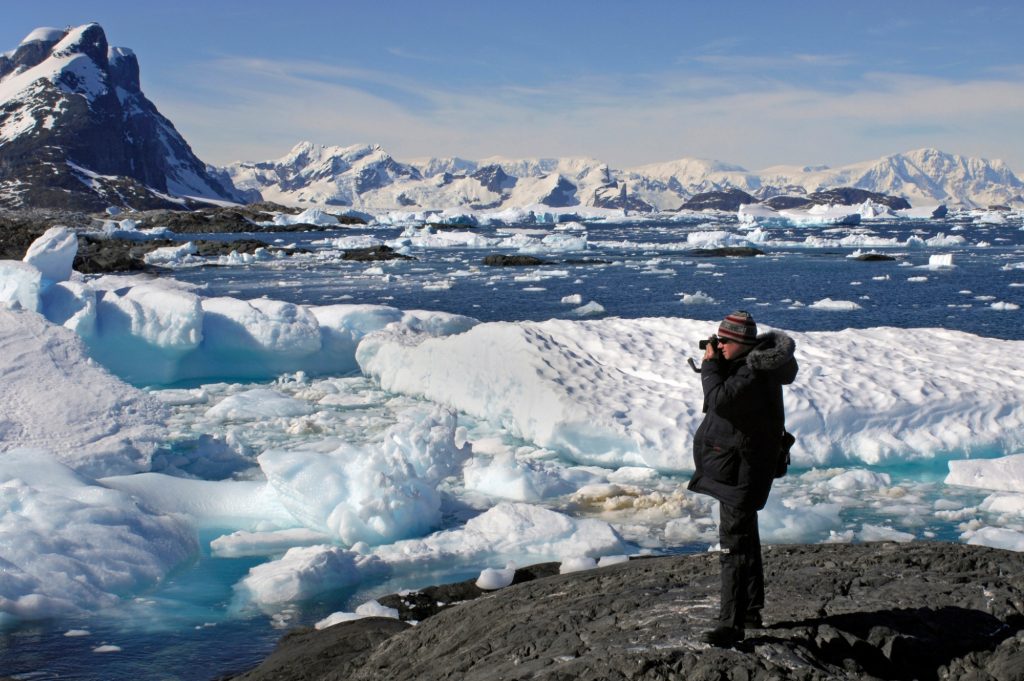

Prices
All prices are per person and depending on availability. Please contact us for more details.
- Voyage aboard the indicated vessel as indicated in the itinerary.
- All meals throughout the voyage aboard the ship including snacks, coffee and tea.
- All shore excursions and activities throughout the voyage by Zodiac.
- Program of lectures by noted naturalists and leadership by experienced expedition staff.
- Complimentary use of waterproof neoprene expedition muck boots and snowshoes.
- Luggage transfer from pick-up point to the vessel on the day of embarkation, in Ushuaia.
- Pre-scheduled group transfer from the vessel to the airport in Ushuaia (directly after disembarkation).
- All miscellaneous service taxes and port charges throughout the programme.
- Comprehensive pre-departure material.
- Complimentary Wi-Fi connectivity. All guests receive 1.5 GB of data usage per day, which resets every 24 hours.
- Complimentary Dopper water bottle for use during and after your expedition.
- Any airfare, whether on scheduled or charter flights.
- Pre- and post- land arrangements.
- Passport and visa expenses.
- Government arrival and departure taxes.
- Meals ashore.
- Baggage, cancellation and personal insurance (which is strongly recommended).
- Excess baggage charges and all items of a personal nature such as laundry, bar, beverage charges and telecommunication charges.
- The customary gratuity at the end of the voyages for stewards and other service personnel aboard (guidelines will be provided).
Would you like some more information?
Contact us!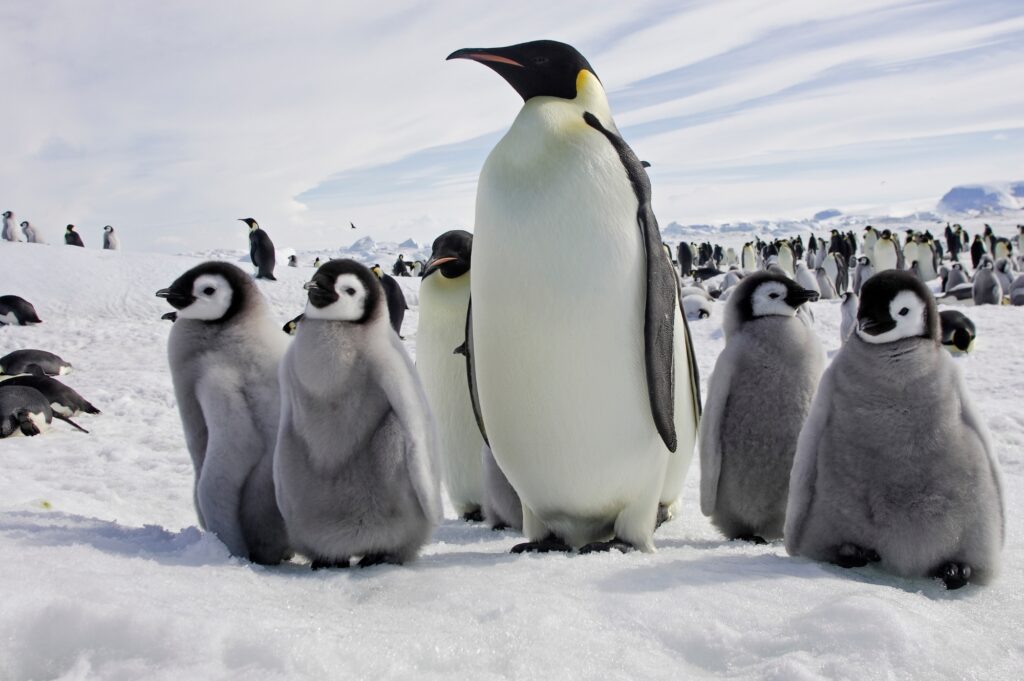
Prices
All prices are per person and depending on availability. Please contact us for more details.
- Full board from arrival to departure day
- High-end gastronomy in all restaurants
- All beverages in restaurants, bars, and minibars. All drinks are included (a selection of champagnes, wines and spirits, beers, cocktails, water, soft drinks, hot beverages)
- 24-hour room service
- Butler service for certain suites
- Unlimited internet access onboard
- Evening events, shows, and other entertainment
- Access to the fitness area and hammam or sauna, depending on the ship
- All port and security charges
- Non-motorized water sports (excluding diving), such as kayaking on the Le Commandant Charcot or stand-up paddleboarding depending on the ship, subject to weather and safety conditions, local authorizations, and the Captain’s approval
- Lectures by our naturalist guides or destination experts
- Any airfare not included in the programme.
- Pre- and post- land arrangements.
- Passport and visa expenses.
- Government arrival and departure taxes.
- Meals ashore.
- Baggage, cancellation and travel insurance, which are strongly recommended.
- Excess baggage charges and all items of a personal nature such as laundry, bar, beverage charges and telecommunication charges.
- The customary gratuity at the end of the voyages for stewards and other service personnel aboard.
Would you like some more information?
Contact us!Prices
All prices are per person and depending on availability. Please contact us for more details.
- Full board from arrival to departure day
- High-end gastronomy in all restaurants
- All beverages in restaurants, bars, and minibars. All drinks are included (a selection of champagnes, wines and spirits, beers, cocktails, water, soft drinks, hot beverages)
- 24-hour room service
- Butler service for certain suites
- Unlimited internet access onboard
- Evening events, shows, and other entertainment
- Access to the fitness area and hammam or sauna, depending on the ship
- All port and security charges
- Non-motorized water sports (excluding diving), such as kayaking on the Le Commandant Charcot or stand-up paddleboarding depending on the ship, subject to weather and safety conditions, local authorizations, and the Captain’s approval
- Lectures by our naturalist guides or destination experts
- Any airfare not included in the programme.
- Pre- and post- land arrangements.
- Passport and visa expenses.
- Government arrival and departure taxes.
- Meals ashore.
- Baggage, cancellation and travel insurance, which are strongly recommended.
- Excess baggage charges and all items of a personal nature such as laundry, bar, beverage charges and telecommunication charges.
- The customary gratuity at the end of the voyages for stewards and other service personnel aboard.
Would you like some more information?
Contact us!Prices
All prices are per person and depending on availability. Please contact us for more details.
- Voyage aboard the indicated vessel as indicated in the itinerary
- All meals throughout the voyage aboard the ship including snacks, coffee and tea.
- All shore excursions and activities throughout the voyage by Zodiac.
- Program of lectures by noted naturalists and leadership by experienced expedition staff.
- Free use of rubber boots and snowshoes.
- Ship-to-shore helicopter transfers (with no specific amount of helicopter time guaranteed)
- Luggage transfer from pick-up point to the vessel on the day of embarkation, in Ushuaia.
- Pre-scheduled group transfer from the vessel to the airport in Ushuaia (directly after disembarkation).
- All miscellaneous service taxes and port charges throughout the programme.
- Comprehensive pre-departure material.
- Any airfare, whether on scheduled or charter flights
- Pre- and post- land arrangements.
- Passport and visa expenses.
- Government arrival and departure taxes.
- Meals ashore.
- Baggage, cancellation and personal insurance (which is strongly recommended).
- Excess baggage charges and all items of a personal nature such as laundry, bar, beverage charges and telecommunication charges.
- The customary gratuity at the end of the voyages for stewards and other service personnel aboard (guidelines will be provided).
Would you like some more information?
Contact us!Prices
All prices are per person and depending on availability. Please contact us for more details.
- Specialist Expedition Leaders
- Immersive Off-ship Activities
- On-Ship Experience and Facilities
- Food & Beverage
- Complementary Wi-Fi
- Official Quark Expeditions parka to take home
- International airfare
- Visa expenses and travel insurance
- On-ship expenses
- Optional adventure options
- Trip extensions
Would you like some more information?
Contact us!Prices
All prices are per person and depending on availability. Please contact us for more details.
- Full board from arrival to departure day
- High-end gastronomy in all restaurants
- All beverages in restaurants, bars, and minibars. All drinks are included (a selection of champagnes, wines and spirits, beers, cocktails, water, soft drinks, hot beverages)
- 24-hour room service
- Butler service for certain suites
- Unlimited internet access onboard
- Evening events, shows, and other entertainment
- Access to the fitness area and hammam or sauna, depending on the ship
- All port and security charges
- Non-motorized water sports (excluding diving), such as kayaking on the Le Commandant Charcot or stand-up paddleboarding depending on the ship, subject to weather and safety conditions, local authorizations, and the Captain’s approval
- Lectures by our naturalist guides or destination experts
- Any airfare not included in the programme.
- Pre- and post- land arrangements.
- Passport and visa expenses.
- Government arrival and departure taxes.
- Meals ashore.
- Baggage, cancellation and travel insurance, which are strongly recommended.
- Excess baggage charges and all items of a personal nature such as laundry, bar, beverage charges and telecommunication charges.
- The customary gratuity at the end of the voyages for stewards and other service personnel aboard.
Would you like some more information?
Contact us!Prices
All prices are per person and depending on availability. Please contact us for more details.
- Voyage aboard the indicated vessel as indicated in the itinerary
- All meals throughout the voyage aboard the ship including snacks, coffee and tea.
- All shore excursions and activities throughout the voyage by Zodiac.
- Program of lectures by noted naturalists and leadership by experienced expedition staff.
- Free use of rubber boots and snowshoes.
- Ship-to-shore helicopter transfers (with no specific amount of helicopter time guaranteed)
- Luggage transfer from pick-up point to the vessel on the day of embarkation, in Ushuaia.
- Pre-scheduled group transfer from the vessel to the airport in Ushuaia (directly after disembarkation).
- All miscellaneous service taxes and port charges throughout the programme.
- Comprehensive pre-departure material.
- Any airfare, whether on scheduled or charter flights
- Pre- and post- land arrangements.
- Passport and visa expenses.
- Government arrival and departure taxes.
- Meals ashore.
- Baggage, cancellation and personal insurance (which is strongly recommended).
- Excess baggage charges and all items of a personal nature such as laundry, bar, beverage charges and telecommunication charges.
- The customary gratuity at the end of the voyages for stewards and other service personnel aboard (guidelines will be provided).
Would you like some more information?
Contact us!Prices
All prices are per person and depending on availability. Please contact us for more details.
- Full board from arrival to departure day
- High-end gastronomy in all restaurants
- All beverages in restaurants, bars, and minibars. All drinks are included (a selection of champagnes, wines and spirits, beers, cocktails, water, soft drinks, hot beverages)
- 24-hour room service
- Butler service for certain suites
- Unlimited internet access onboard
- Evening events, shows, and other entertainment
- Access to the fitness area and hammam or sauna, depending on the ship
- All port and security charges
- Non-motorized water sports (excluding diving), such as kayaking on the Le Commandant Charcot or stand-up paddleboarding depending on the ship, subject to weather and safety conditions, local authorizations, and the Captain’s approval
- Lectures by our naturalist guides or destination experts
- Any airfare not included in the programme.
- Pre- and post- land arrangements.
- Passport and visa expenses.
- Government arrival and departure taxes.
- Meals ashore.
- Baggage, cancellation and travel insurance, which are strongly recommended.
- Excess baggage charges and all items of a personal nature such as laundry, bar, beverage charges and telecommunication charges.
- The customary gratuity at the end of the voyages for stewards and other service personnel aboard.
Would you like some more information?
Contact us!Prices
All prices are per person and depending on availability. Please contact us for more details.
- Voyage aboard the indicated vessel as indicated in the itinerary
- All meals throughout the voyage aboard the ship including snacks, coffee and tea.
- All shore excursions and activities throughout the voyage by Zodiac.
- Program of lectures by noted naturalists and leadership by experienced expedition staff.
- Free use of rubber boots and snowshoes.
- Luggage transfer from pick-up point to the vessel on the day of embarkation, in Ushuaia.
- Pre-scheduled group transfer from the vessel to the airport in Ushuaia (directly after disembarkation).
- All miscellaneous service taxes and port charges throughout the programme.
- Comprehensive pre-departure material.
- Any airfare, whether on scheduled or charter flights.
- Pre- and post- land arrangements.
- Passport and visa expenses.
- Government arrival and departure taxes.
- Meals ashore.
- Baggage, cancellation and personal insurance (which is strongly recommended).
- Excess baggage charges and all items of a personal nature such as laundry, bar, beverage charges and telecommunication charges.
- The customary gratuity at the end of the voyages for stewards and other service personnel aboard (guidelines will be provided).
Would you like some more information?
Contact us!Prices
All prices are per person and depending on availability. Please contact us for more details.
- Voyage aboard the indicated vessel as indicated in the itinerary
- All meals throughout the voyage aboard the ship including snacks, coffee and tea.
- All shore excursions and activities throughout the voyage by Zodiac.
- Program of lectures by noted naturalists and leadership by experienced expedition staff.
- Free use of rubber boots and snowshoes.
- Luggage transfer from pick-up point to the vessel on the day of embarkation, in Ushuaia.
- Pre-scheduled group transfer from the vessel to the airport in Ushuaia (directly after disembarkation).
- All miscellaneous service taxes and port charges throughout the programme.
- Comprehensive pre-departure material.
- During our “Basecamp” departures, all offered activities as well as our standard included shore excursions and zodiac cruises) are free of charge.
- Any airfare, whether on scheduled or charter flights
- Pre- and post- land arrangements.
- Passport and visa expenses.
- Government arrival and departure taxes.
- Meals ashore.
- Baggage, cancellation and personal insurance (which is strongly recommended).
- Excess baggage charges and all items of a personal nature such as laundry, bar, beverage charges and telecommunication charges.
- The customary gratuity at the end of the voyages for stewards and other service personnel aboard (guidelines will be provided).
Would you like some more information?
Contact us!FAQ
Most classic Antarctica trips do not venture to, or far into, the Weddell Sea. The Weddell Sea is on the Eastern side of the Antarctic peninsula and therefore, it is a special opportunity to explore this area. At the same time, the Weddell Sea offers the best chances for seeing the elusive Emperor Penguins.
Full of polar explorer history, a plethora of penguin species, and rarely visited landing sites, trips to the Weddell Sea offer a unique experience!
Emperor penguins can be found in various locations around the Antarctica Peninsula. It is possible to see them on the Western side of the Peninsula, however, their main habitat range is on the Eastern side, in the Weddell Sea.
Emperor penguins live in large colonies on solid sea ice, rather than on easily accessible coastal areas like most other Antarctic penguin species. Snow Hill Island is one of the very few emperor penguin colonies that can be visited during an expedition cruise, but only if weather and ice conditions allow it.
In the Weddell Sea, you may also encounter emperor penguins resting on ice floes or even on massive tabular icebergs. This means you don’t necessarily need to make a landing to see these impressive birds. Throughout the Weddell Sea, there is always a chance of spotting them on the ice.
You can reach Snow Hill Island only by helicopter from the ship or with an ice‑strengthened vessel capable of breaking through the sea ice to get within walking distance of the colony. In both cases, success depends heavily on the weather and ice. Ships equipped with helicopters include Ortelius and Ultramarine, while Le Commandant Charcot has the capabilities of a true icebreaker.
If ice and weather conditions are favourable, an attempt can be made to land near Snow Hill. The captain and expedition leader work closely together to assess the possibilities. Only when the activity is deemed safe will an attempt be made to reach Snow Hill.
The Weddell Sea is known for its heavy, compact sea ice, and Snow Hill Island is typically surrounded by fast‑forming ice that often blocks access for ships. Even in summer, reaching this area remains a significant challenge. This makes a visit to Snow Hill exceptionally rare and exclusive. Only a small number of expeditions each year succeed in reaching it.