The Furthest North I’ve Ever Been: Svalbard
Reflections from my first Arctic expedition
This season’s first Svalbard expedition was a special one for Waterproof Expeditions team member Fleur, who embarked on her very first Arctic adventure. From breathtaking landscapes and incredible wildlife encounters to life on board, she shares her experiences and offers valuable tips for future explorers:
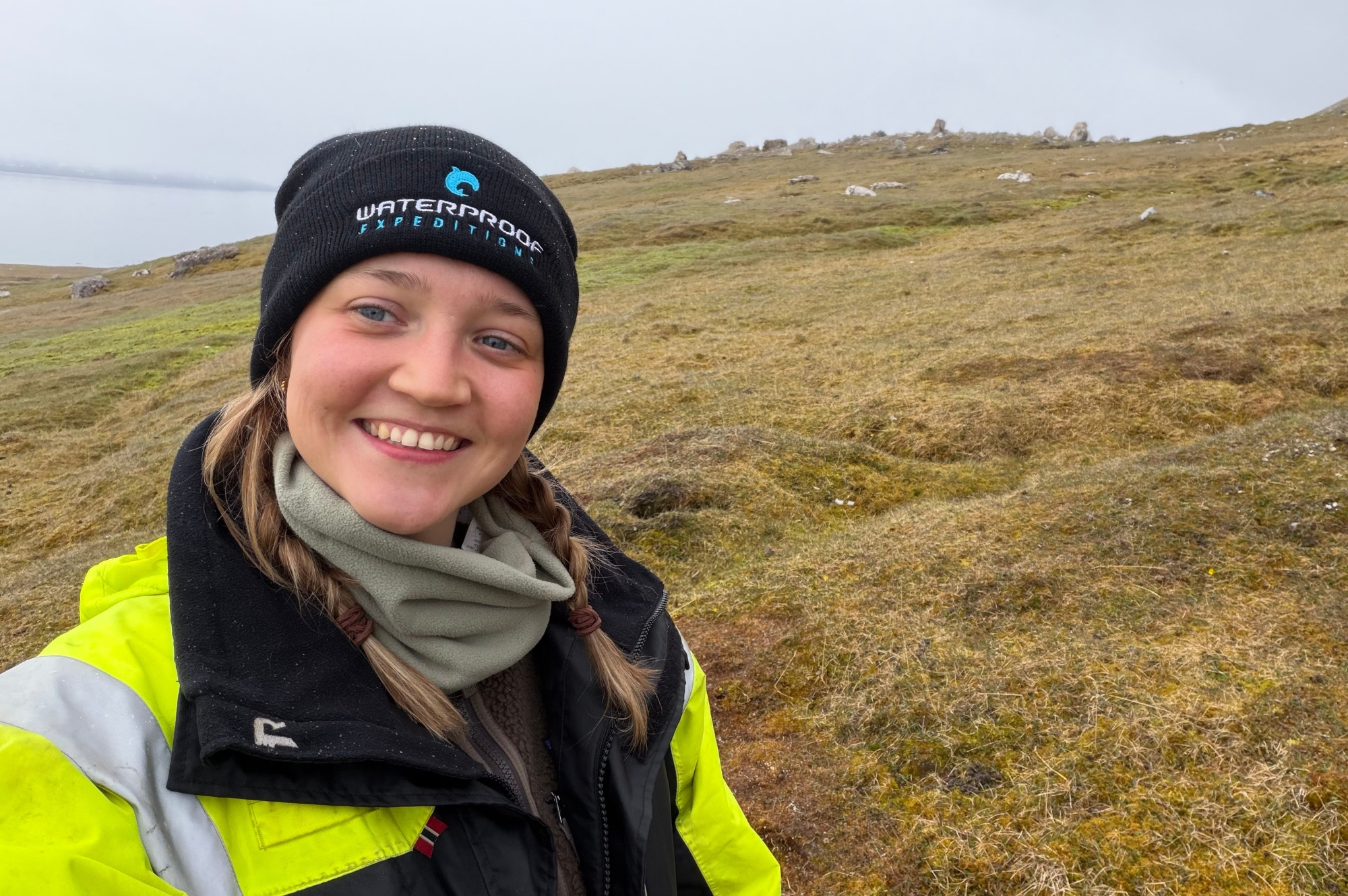
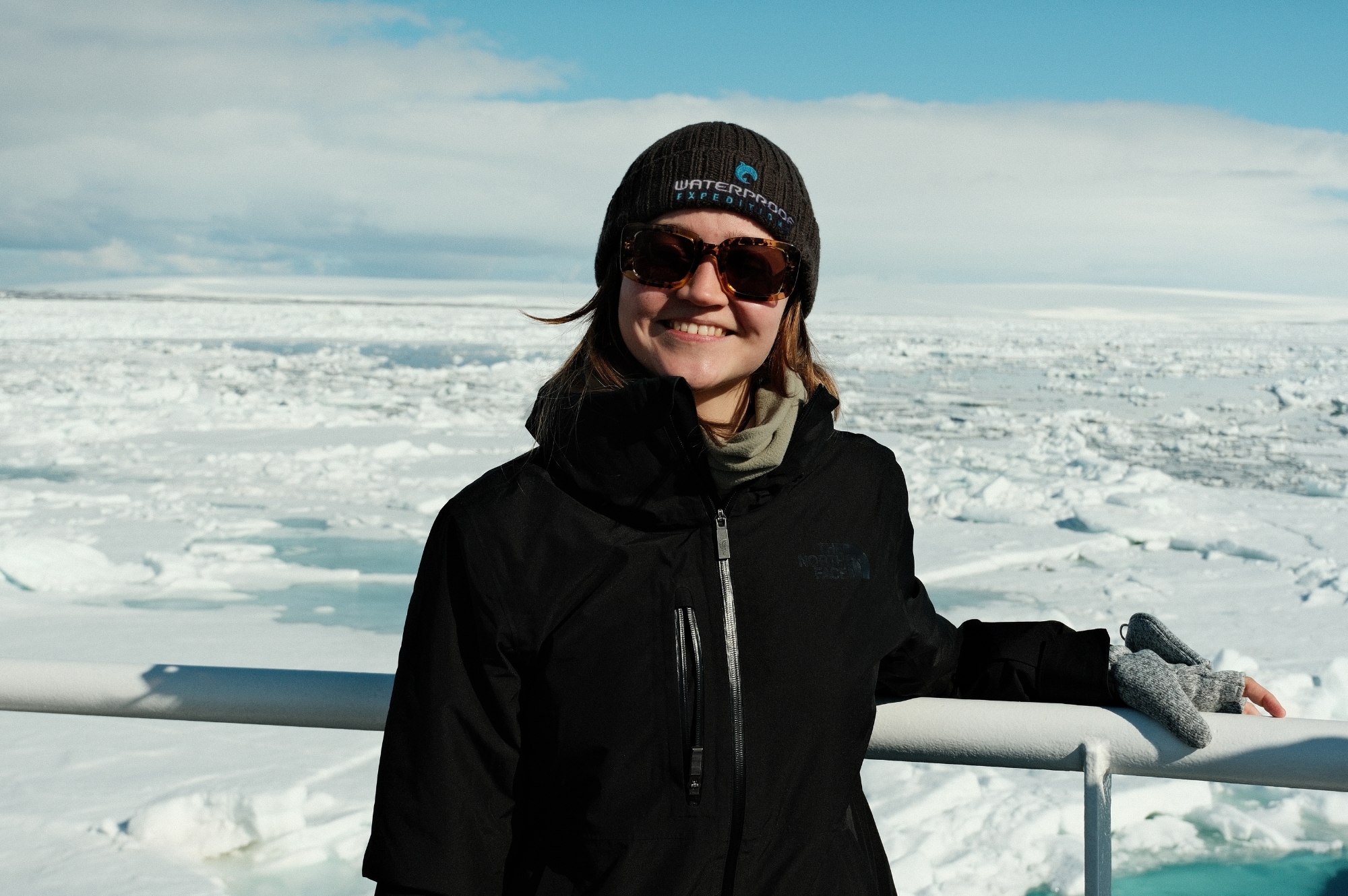
Sunday June 14th, 2026. I wake up, open the blinds of my cabin, and spot the first icebergs drifting past the ship. I glance at the compass, it reads: 81°41 N, 20°44 E. The Geographic North Pole is now closer than the Arctic Circle, less than 1,000 kilometres away. This is the farthest north I’ve ever been, and quite possibly ever will be.
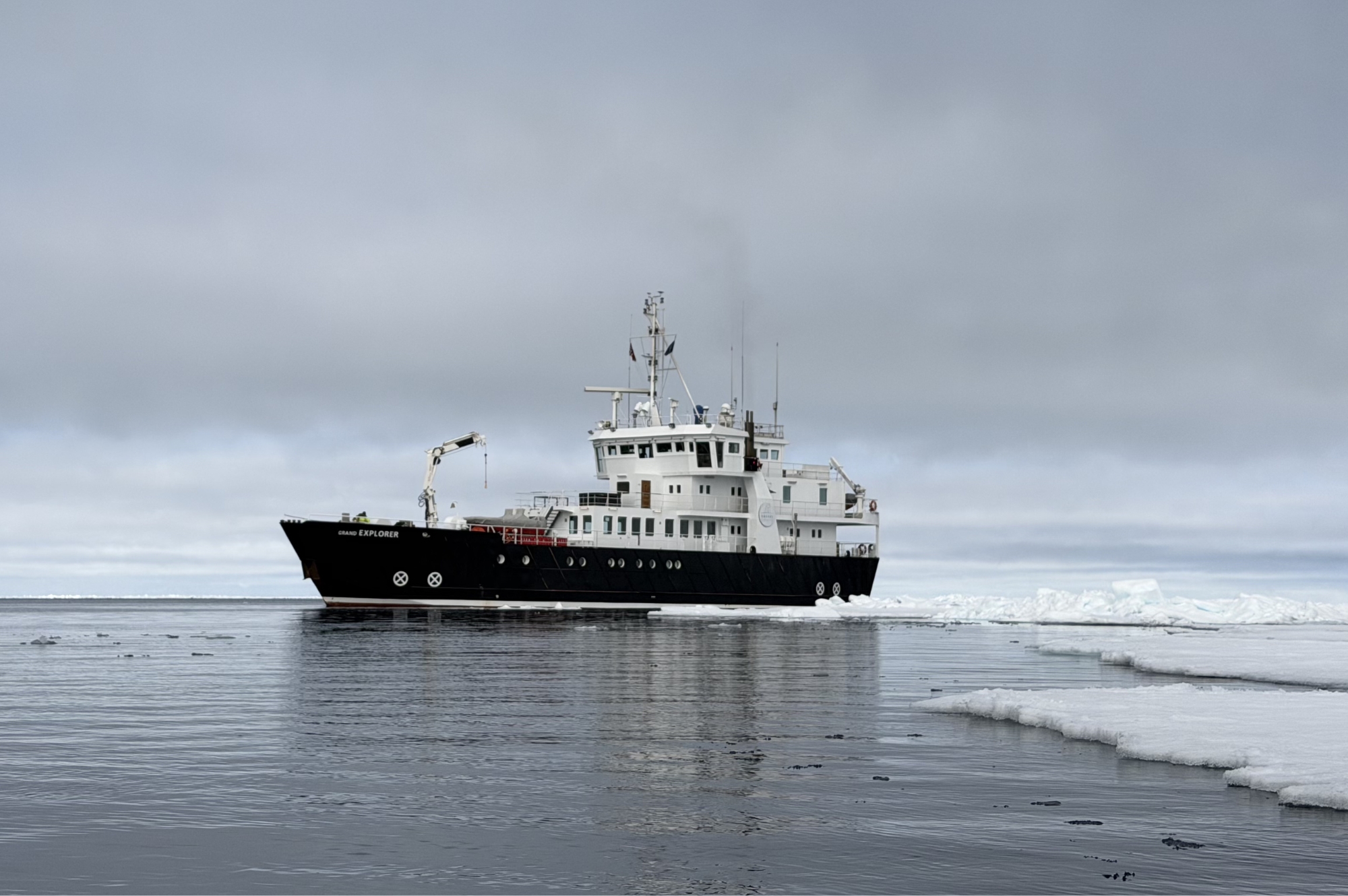
As a Sales & Reservations agent for Waterproof Expeditions, I had the opportunity to experience one of our Svalbard Signature Expeditions on board the small ship Explorer. The first sailing of the season and my first journey into the High Arctic. If you have ever wondered what it is really like to experience the Arctic for the frist time, read on for my perspective as a polar novice!
Svalbard Expectations vs. Reality
It’s difficult to imagine a destination like Svalbard before arrival. I thought I had a fairly clear picture after reading plenty beforehand, but those ideas were quickly replaced by real life experiences, and reality proved very different.
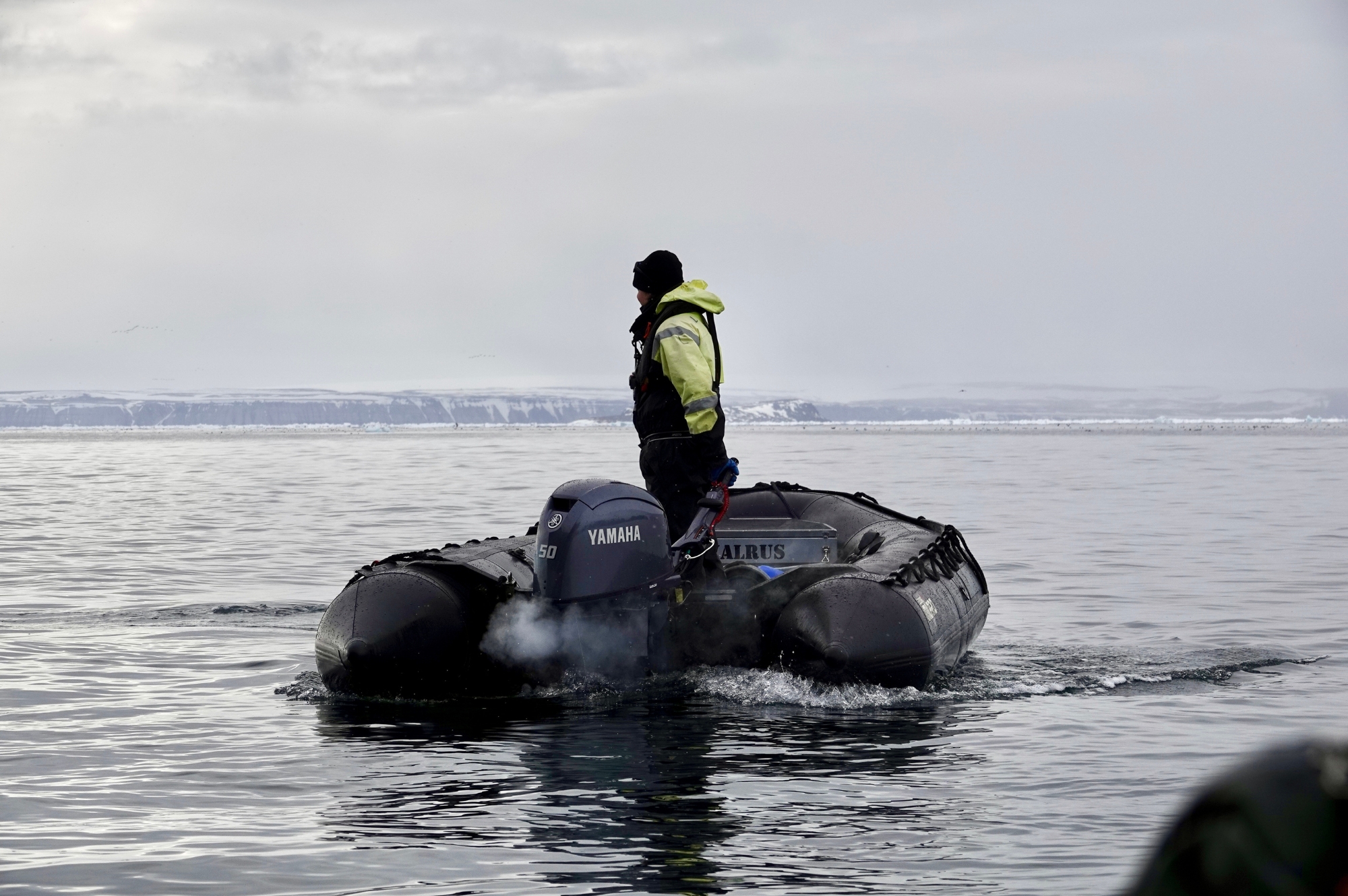
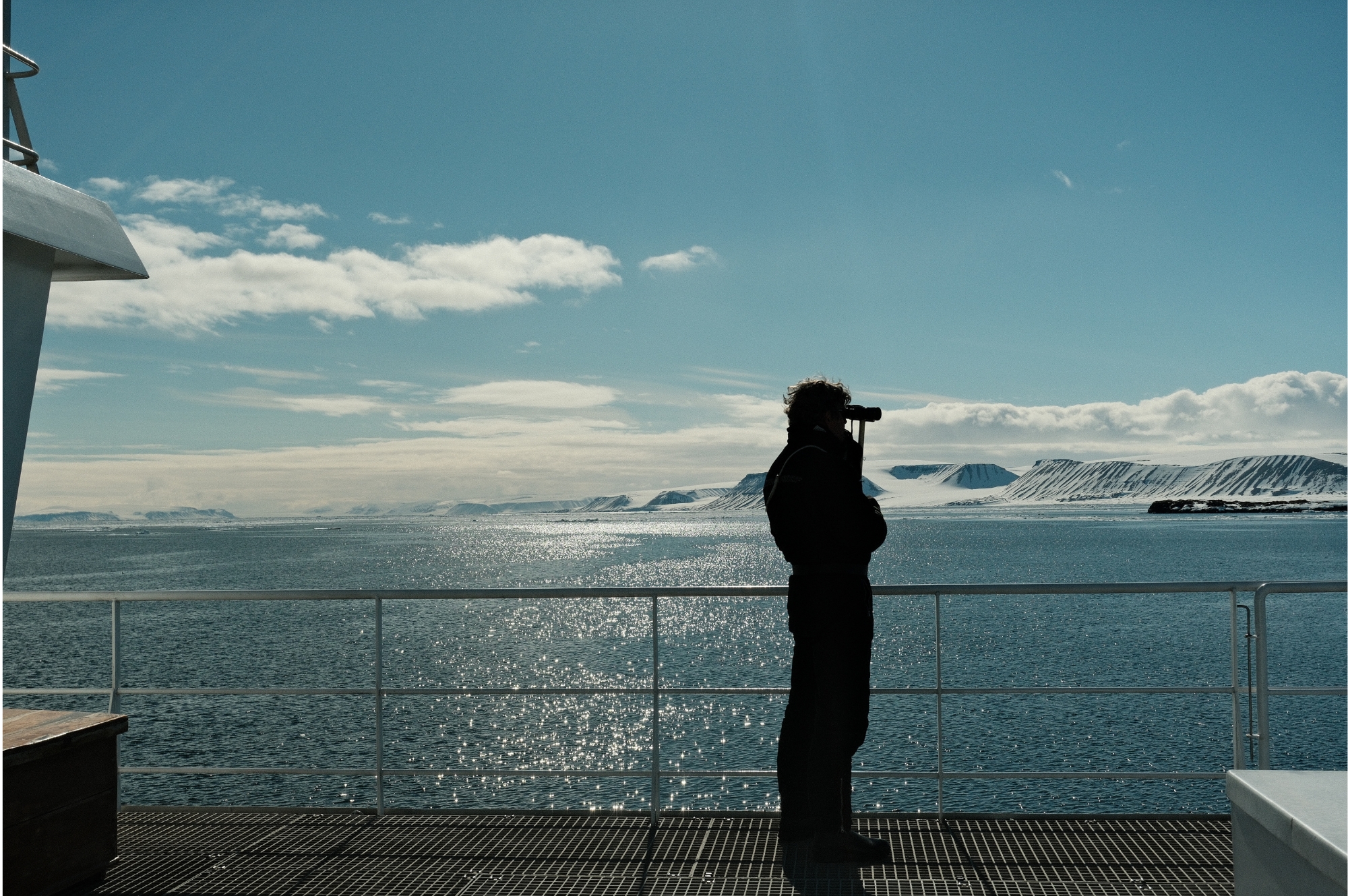
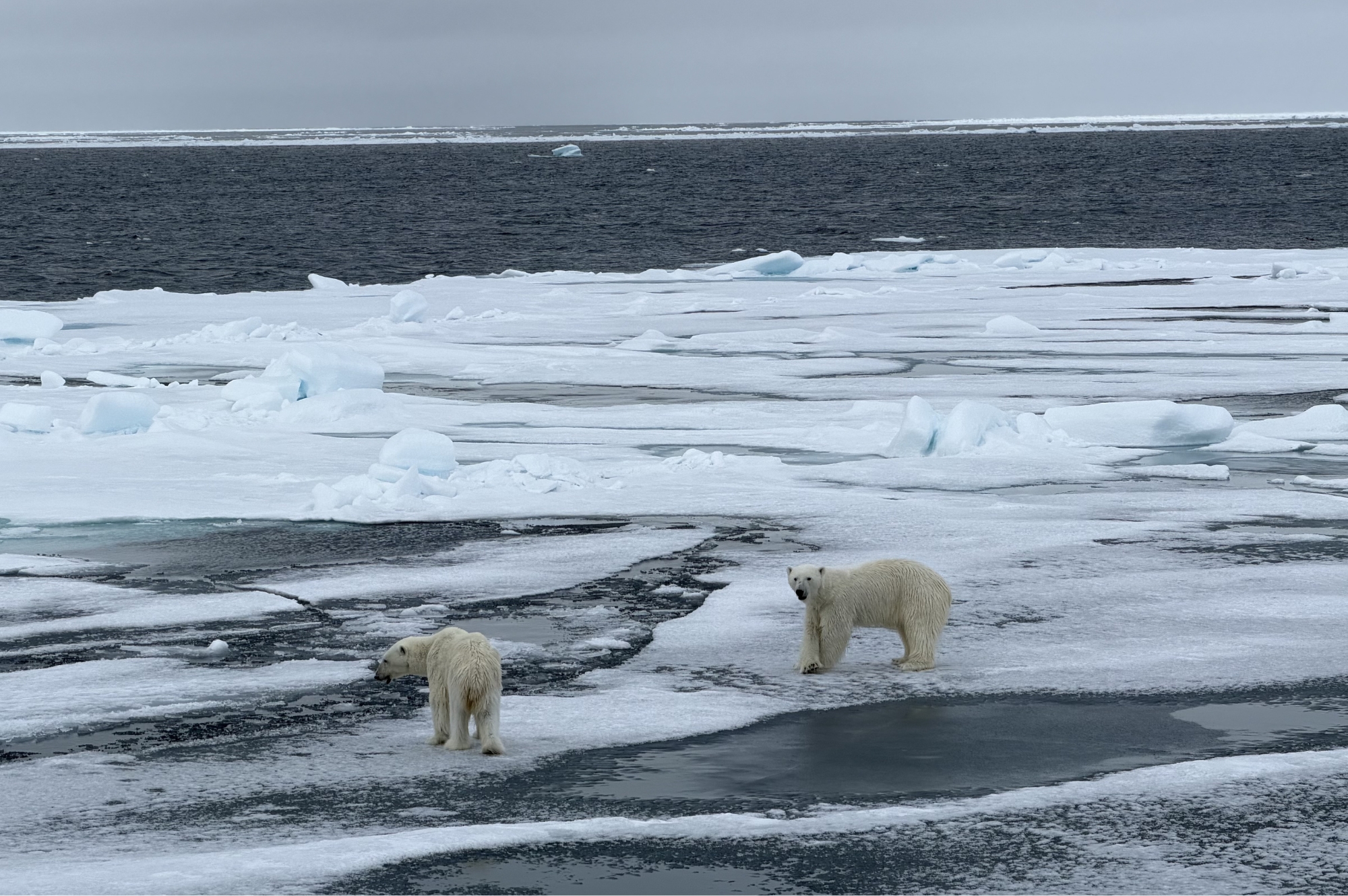
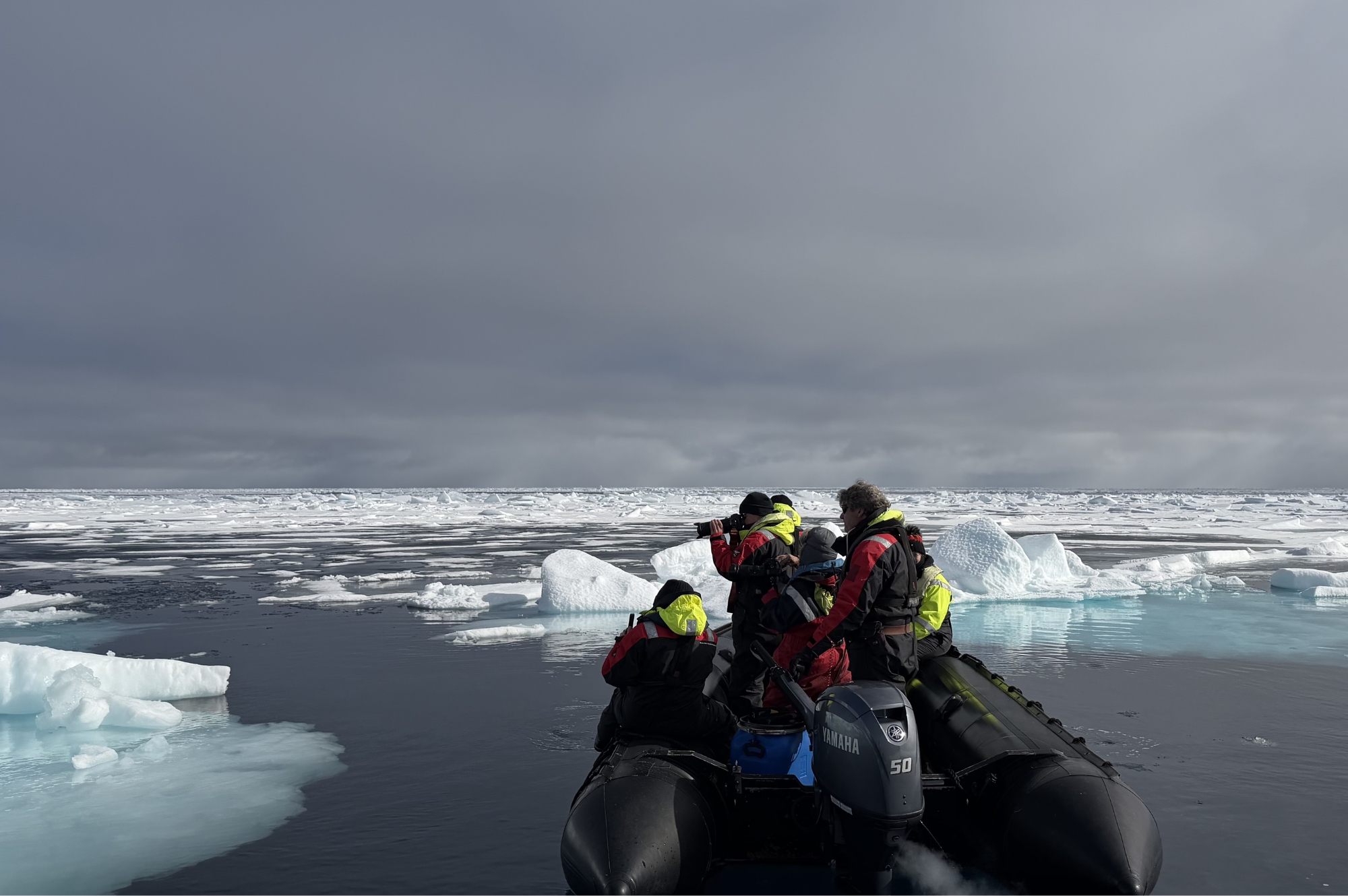
Up in the pack ice, there are no bearings. No landmarks. The sea ice is constantly changing, with nothing but ice and ocean stretching to the horizon. There is no internet, no service. Just you, the ship, the crew, and your fellow passengers for days. The remoteness is unlike anything I had experienced before. You find yourself completely off the grid.
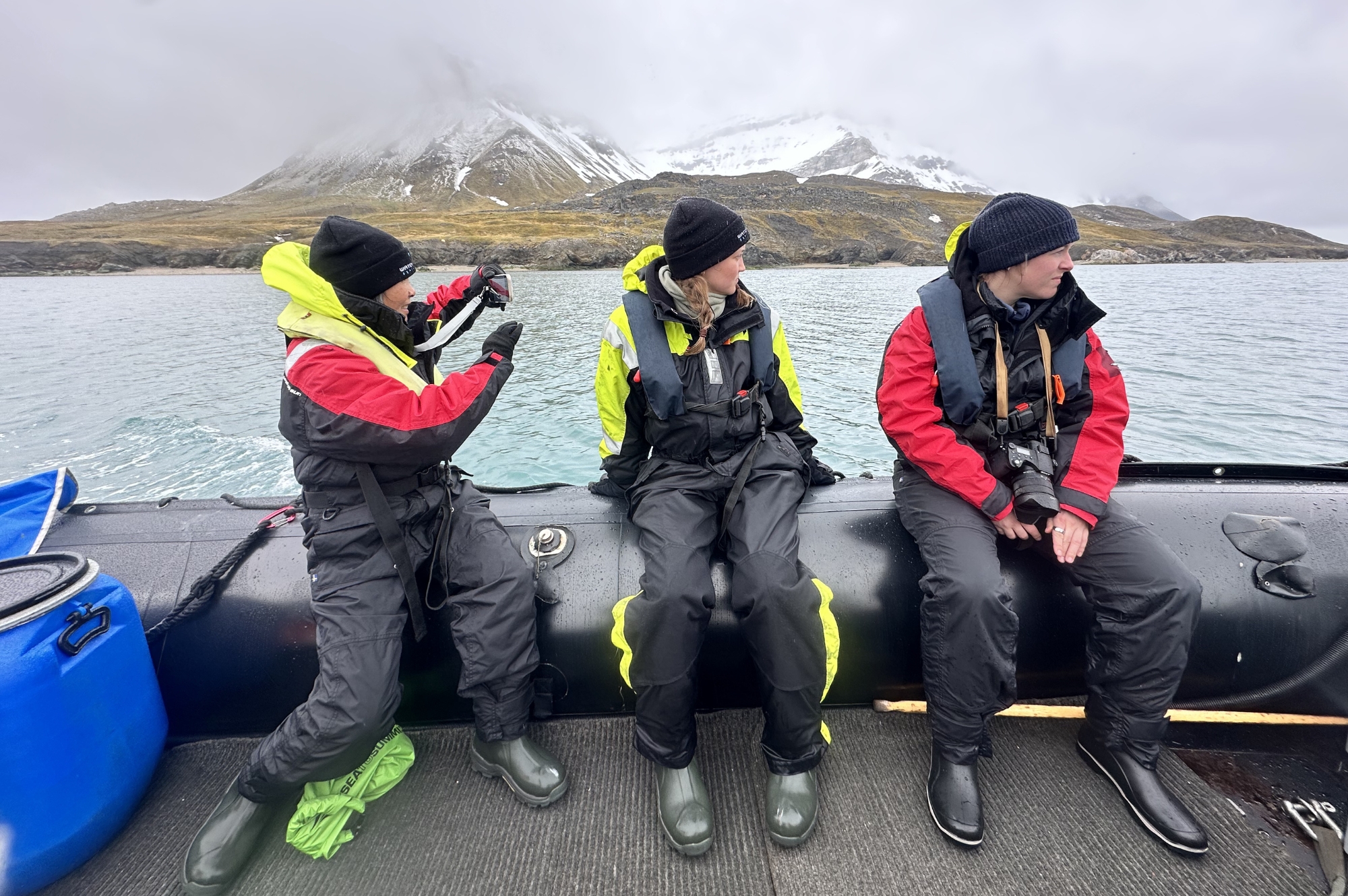
The landscape surprised me too. I knew there wouldn’t be any trees or large vegetation on Svalbard, which sounds straightforward. But arriving in this vast, open wilderness, surrounded by snow-capped mountains, glaciers, and patches of greenish-brown tundra. Not a single tree in sight. It was beautiful, yet strangely unfamiliar.
In fact, one of the things I appreciated most upon returning south of the Arctic Circle was seeing trees again! I caught myself noticing them in a way I never had before. A small but powerful reminder that I had returned from a truly different world.
The Small-Ship Difference
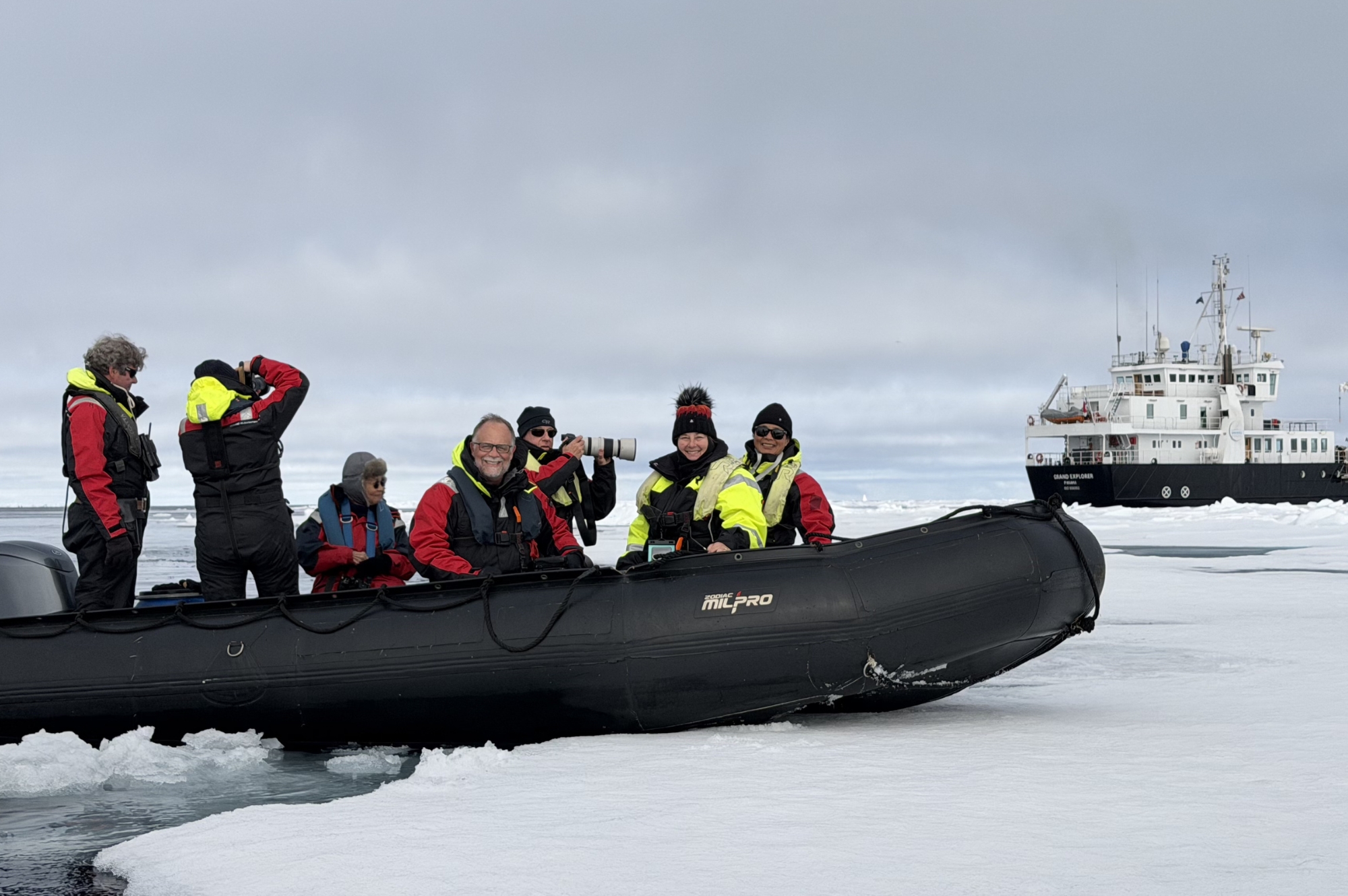
One of the most common questions among people planning an Arctic expedition is whether to choose a small expedition ship or a larger vessel. While larger ships can carry anywhere from 100 to 200 passengers, ships like Explorer host just 12 guests. The differences on paper can seem subtle, but in practice they create a very different experience.
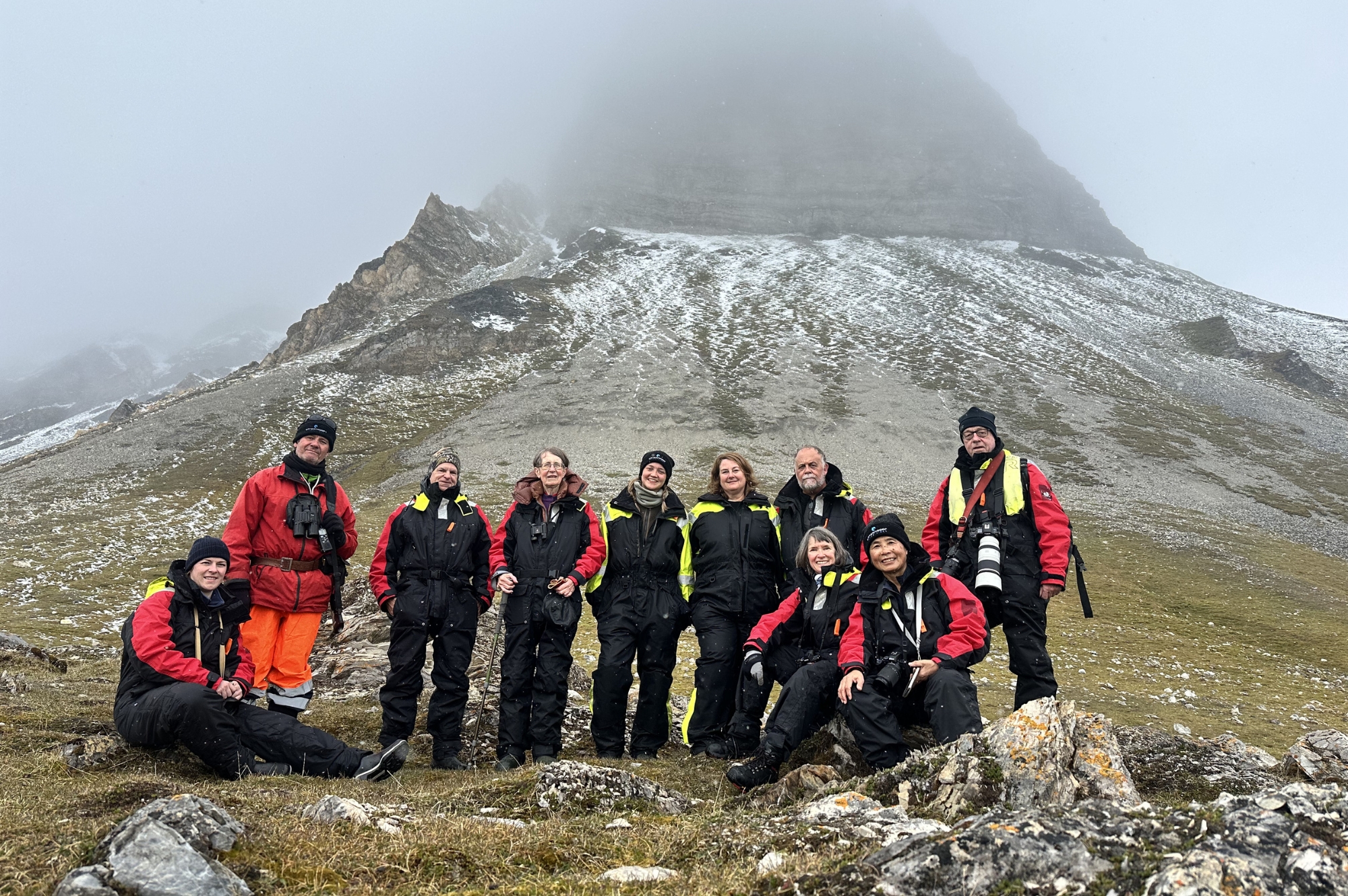
What I loved most about travelling aboard Explorer was the genuine sense of exploration. With only 12 passengers on board, and two zodiacs carrying six passengers each, every day was a true adventure. Instead of arriving at a landing site with a fleet of zodiacs, it often felt as though the vast Arctic landscape belonged to us alone.
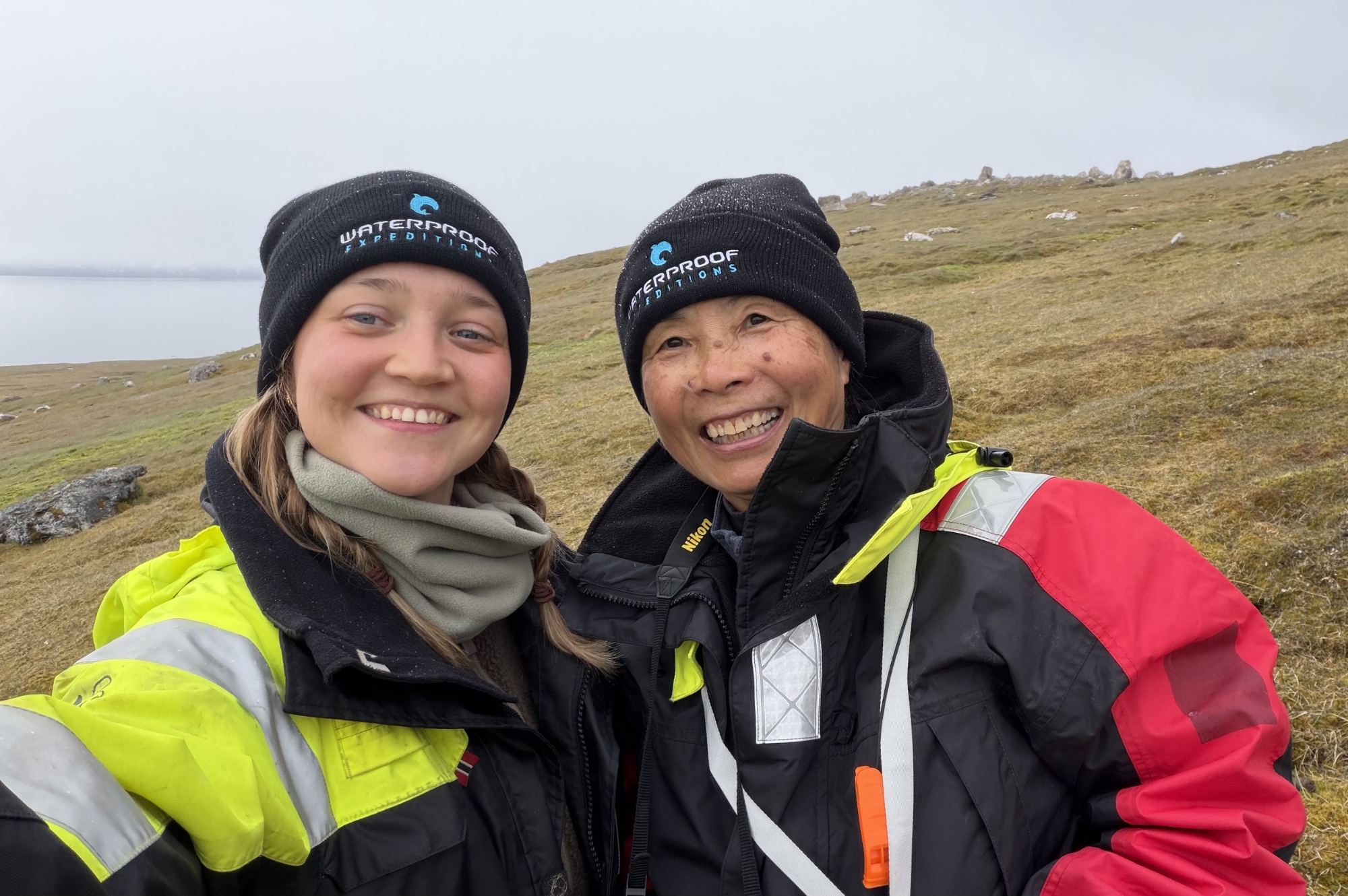
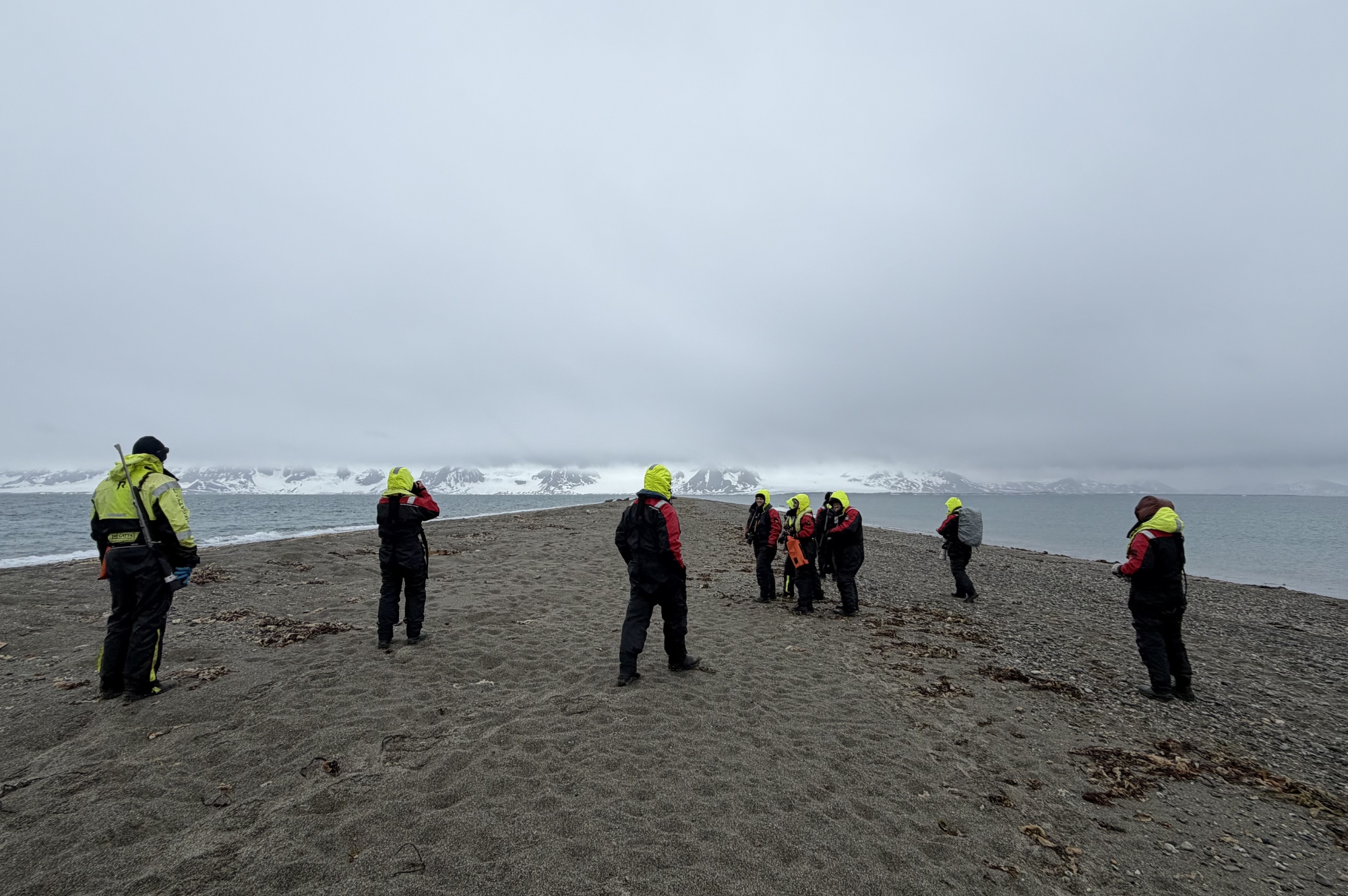
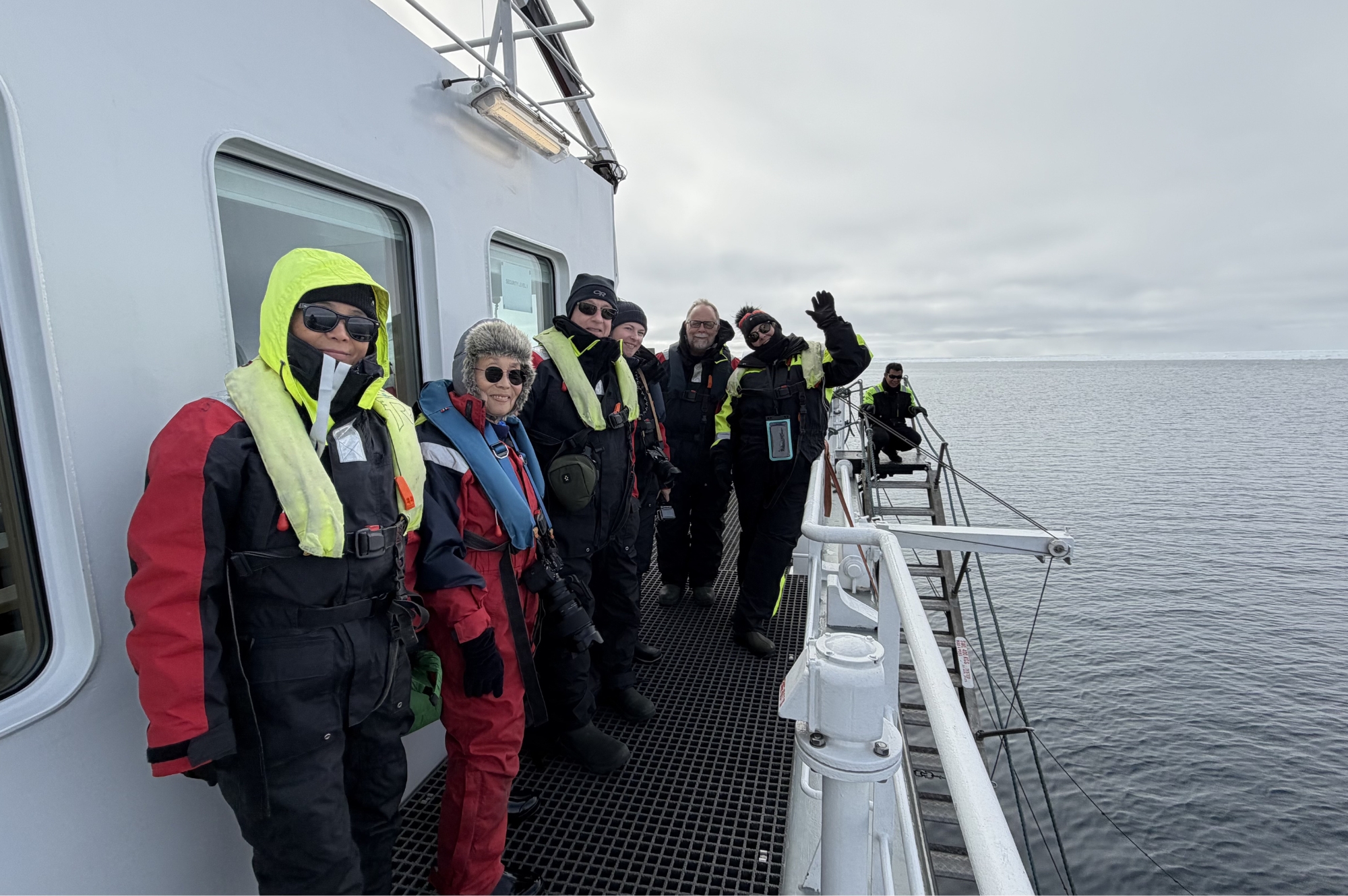
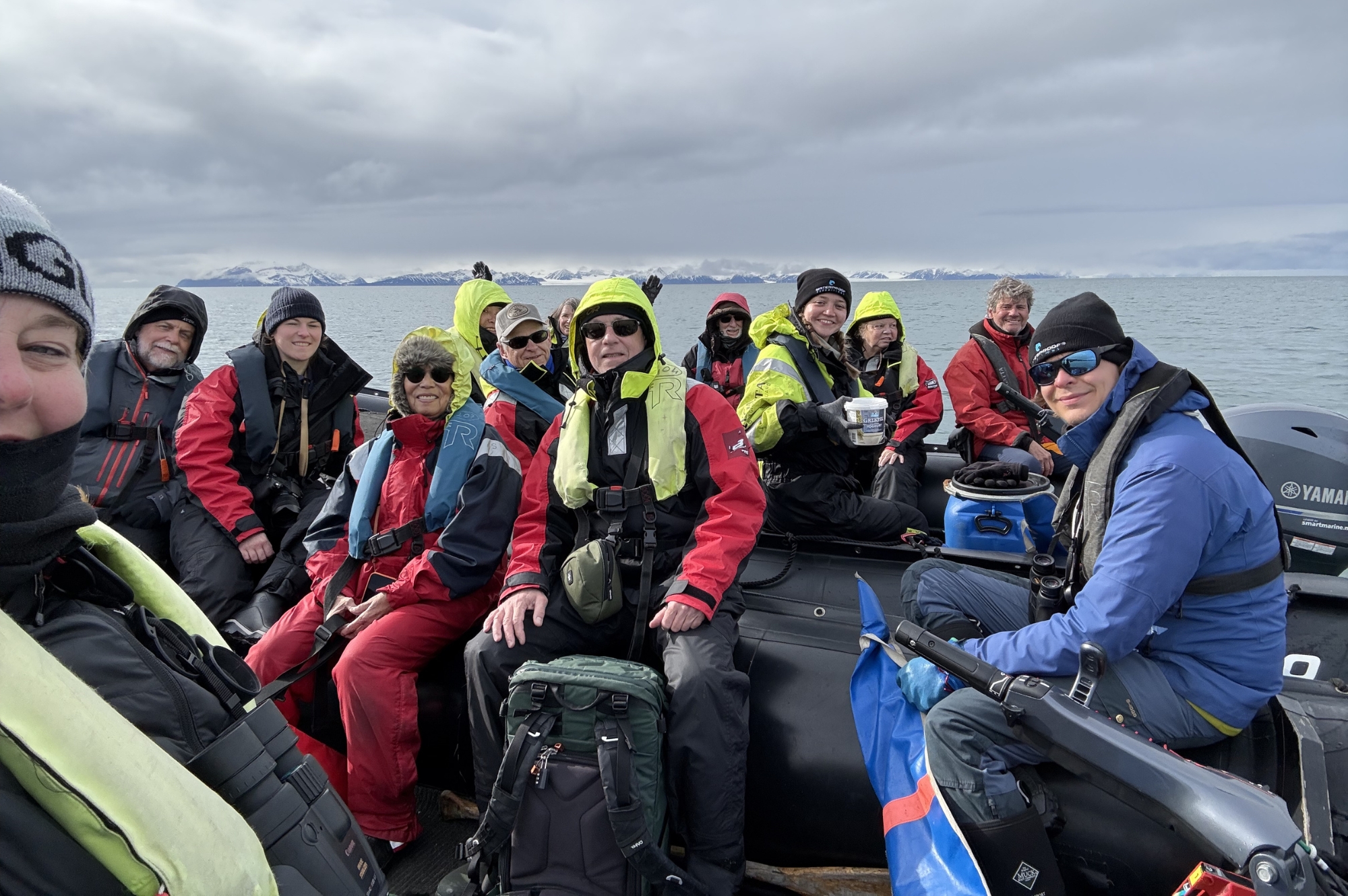
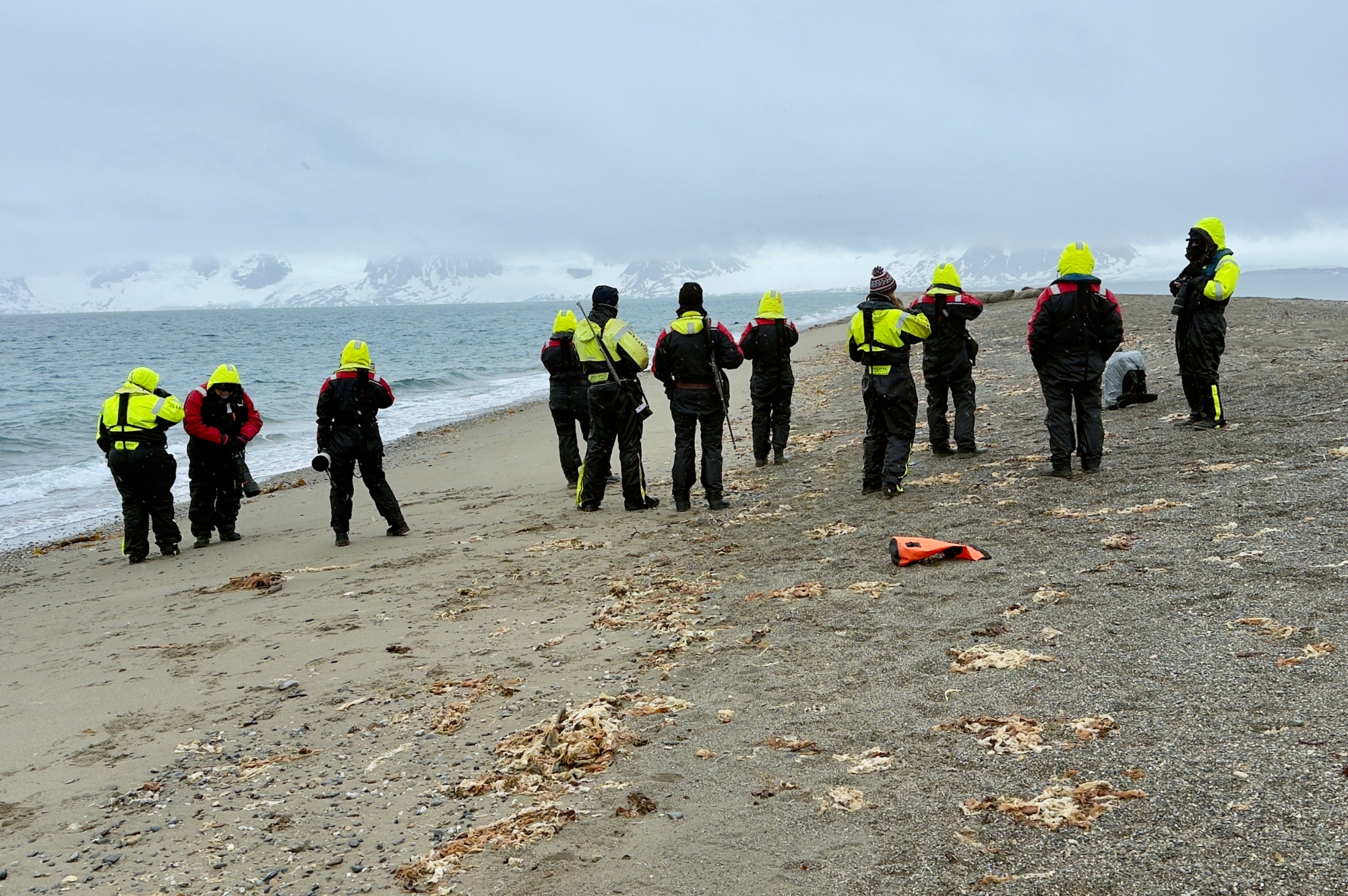
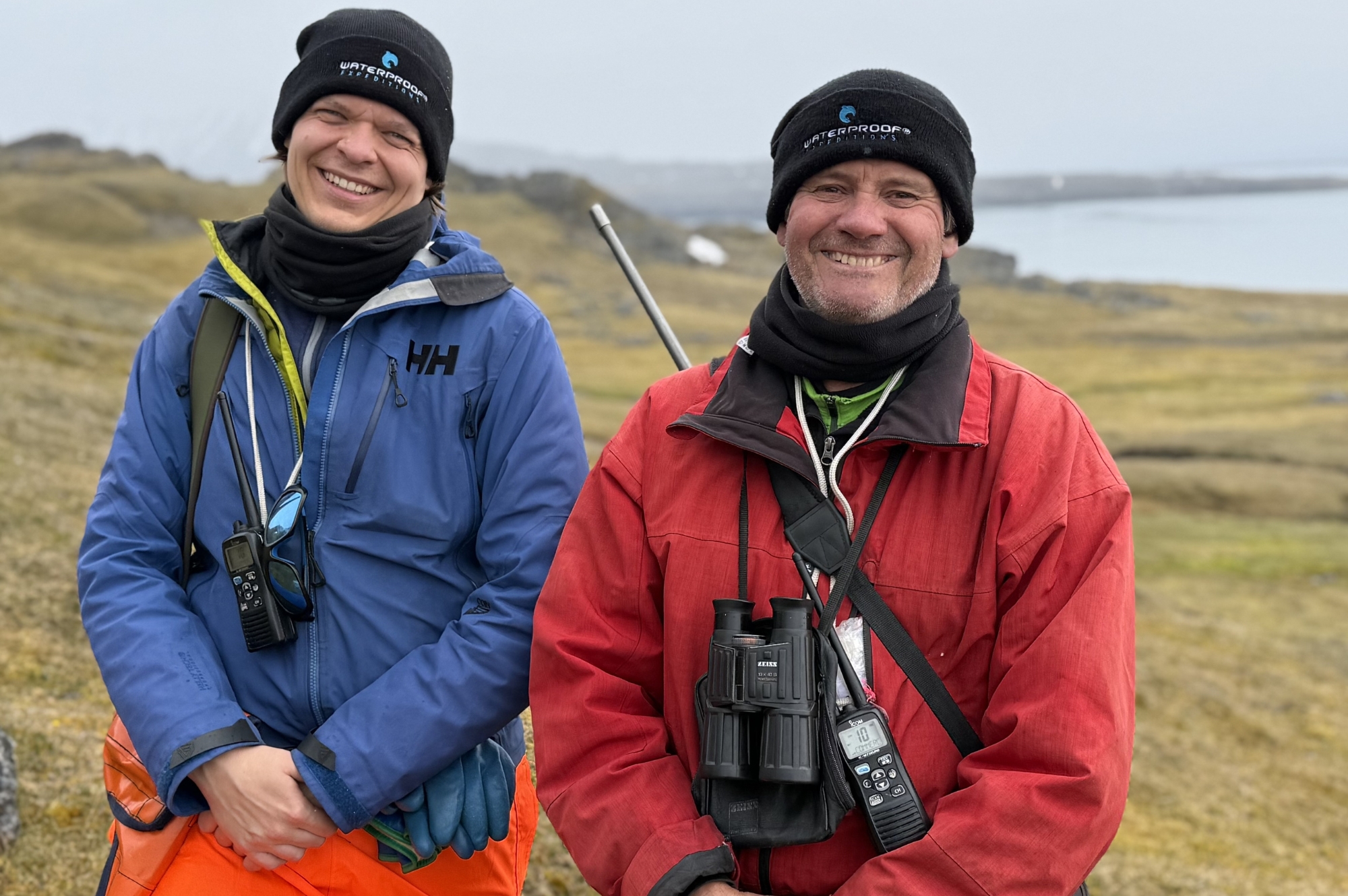
A smaller ship also offers a level of flexibility that is difficult to achieve on larger vessels. Our guides, Rinie and Szymon, encouraged us to share what we hoped to see or experience during the voyage. When conditions allowed, they adapted the plans accordingly. There was plenty of time to ask questions, discuss wildlife sightings, and make the most of unexpected opportunities along the way.
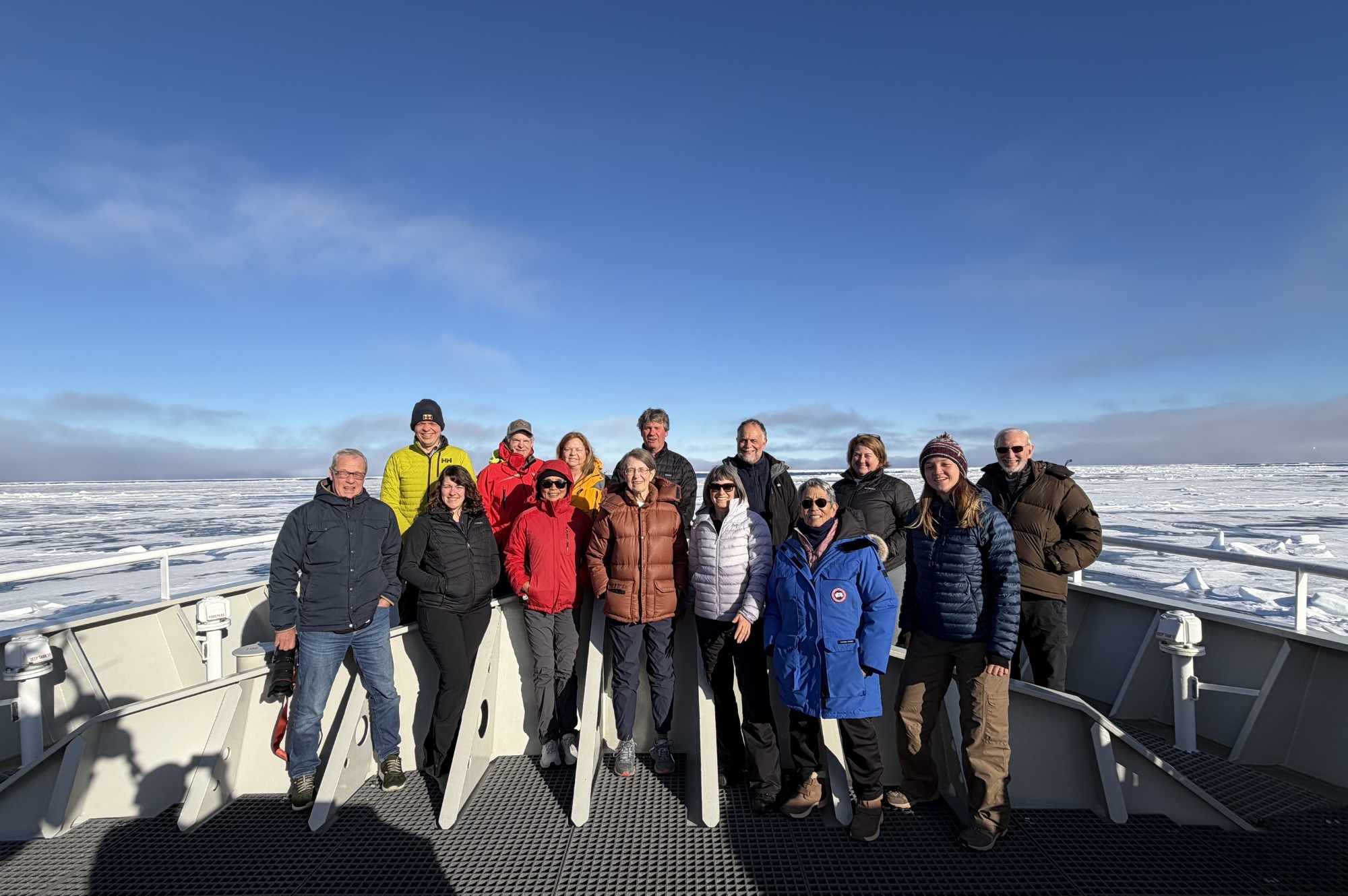
Last but surely not least, one of the biggest advantages of exploring on a small ship is the people. With a smaller group, it didn’t take long to get to know everyone. It’s a lot easier to get to know your fellow travelers, strike up conversations, and share the excitement together. By the end of the voyage, it felt like we were exploring Svalbard with a group of friends.
Unexpected Svalbard wildlife
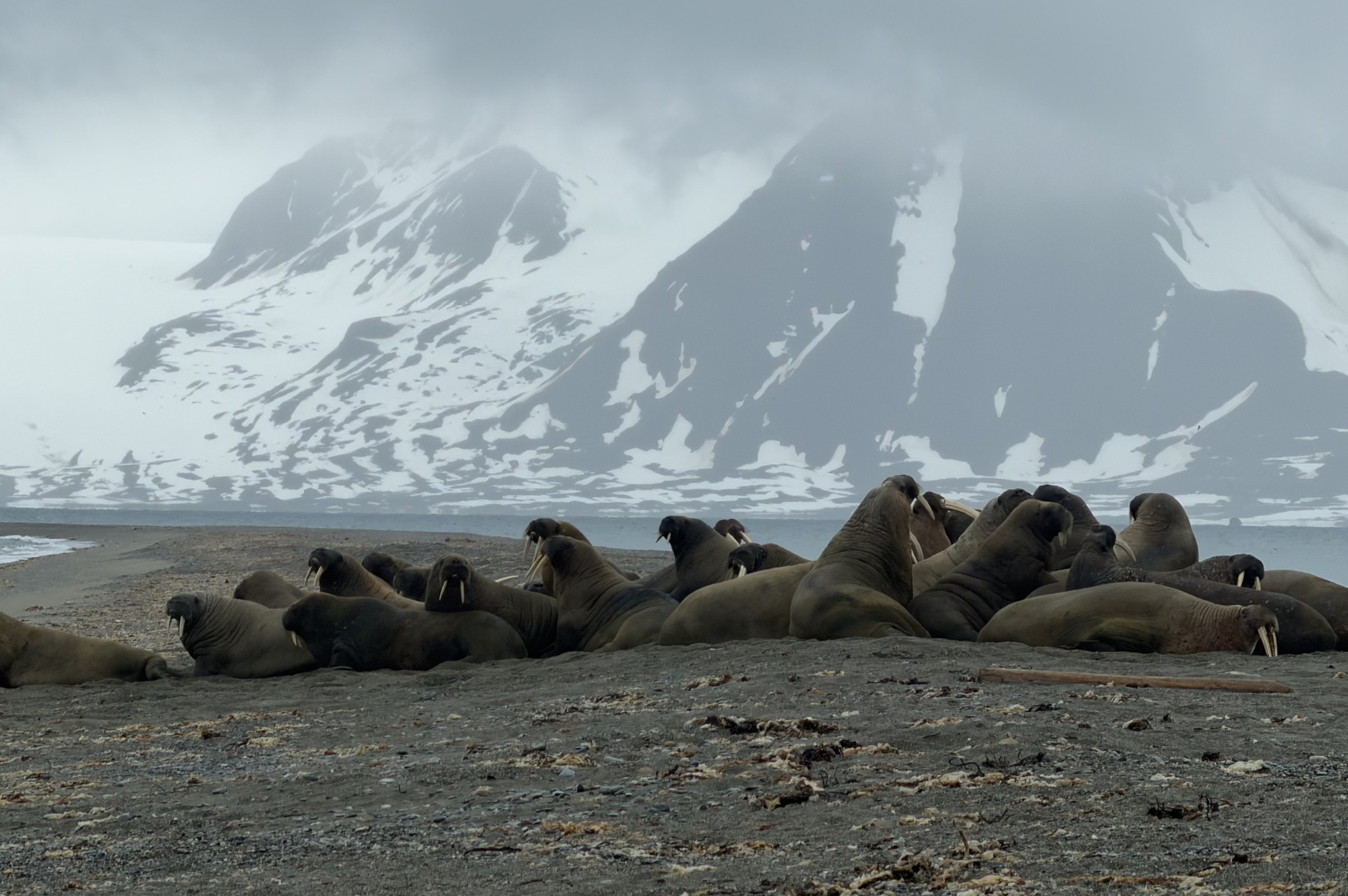
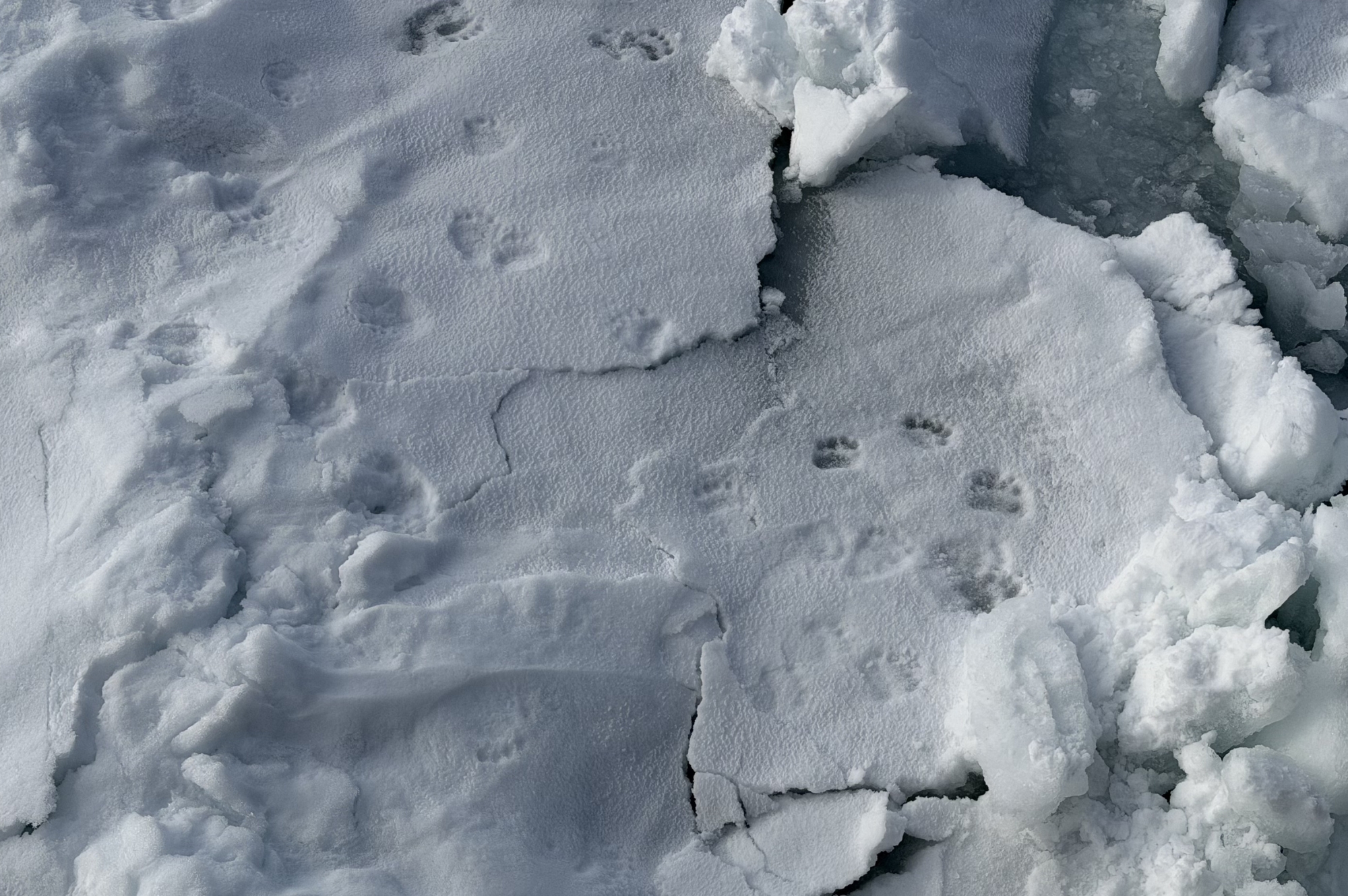
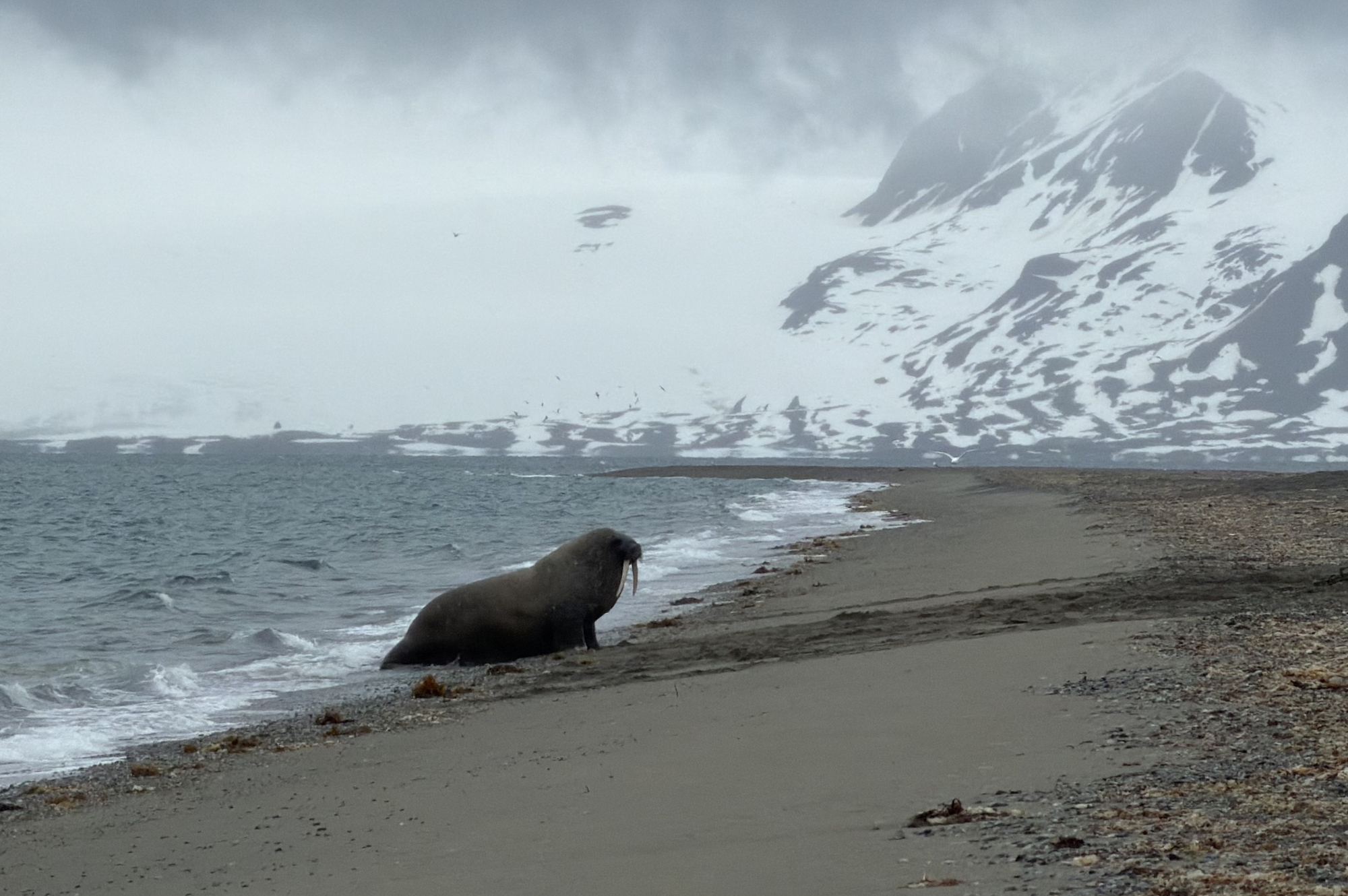
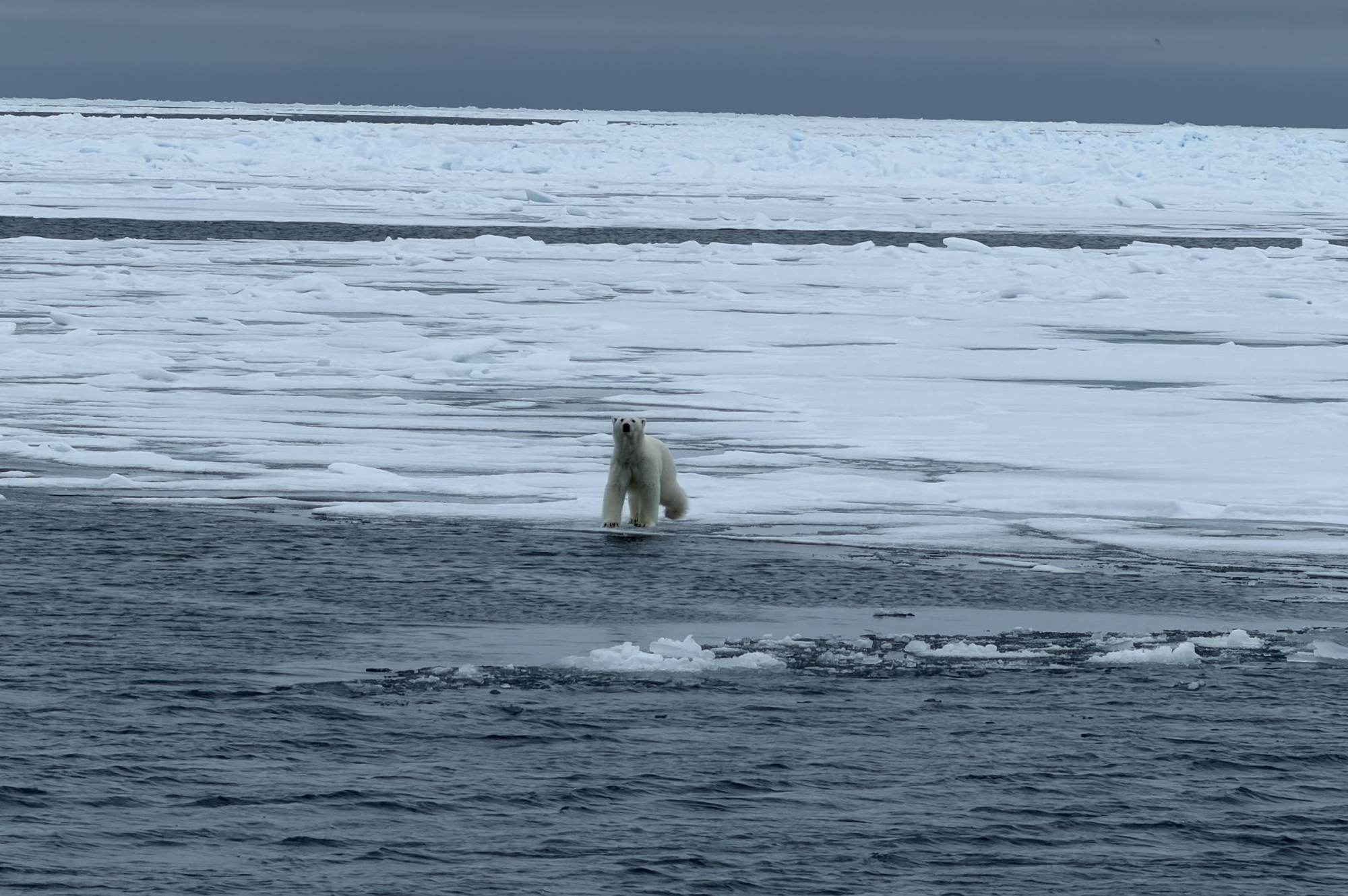
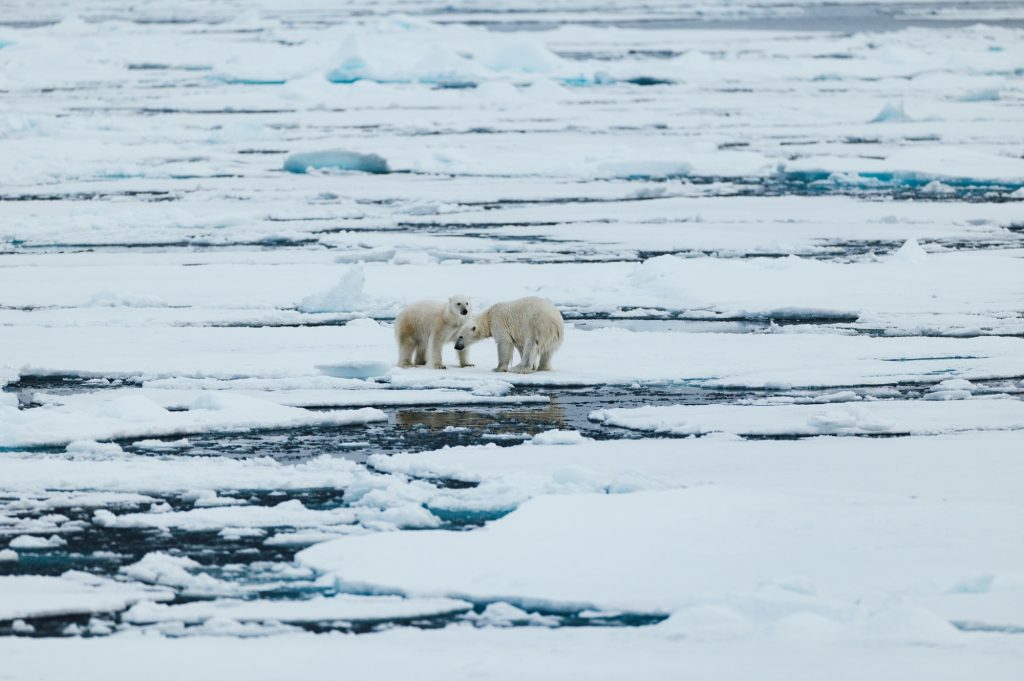
While seeing polar bears was undoubtedly a highlight of the expedition, it was a far more unexpected wildlife encounter that captured my heart.
As we landed at Alkhornet, we expected to see reindeer and, if the clouds lifted, to catch a glimpse the guillemot colony nesting high on the cliffs. We had a lovely hike, took a closer look at Svalbard’s surprisingly hardy plant life, and spotted several reindeer along the way.
Our guides, Rinie and Szymon, mentioned that Arctic foxes are occasionally seen in the area as well. They are often found beneath the bird cliffs, where fallen eggs and chicks provide an easy source of food. So, throughout the hike, we kept our eyes peeled for what the guides had jokingly described as “a cat-like creature running across the hillside.”
As we continued our hike, we crossed a soggy stretch of tundra when we suddenly heard a hushed “ssshht!” from the front of the group. We looked up and, tucked between the rocks, spotted three Arctic fox pups. Perfectly camouflaged against the grey stones, they were so well hidden that we could easily have walked right past them.
Like puppies anywhere in the world, they were busy playing and chasing one another. We admired them from a distance and quietly laughed at their clumsy behaviour. Puppies are always a joy to watch, especially for me as a dog owner, though it was for sure something I did not expect witnessing here!
New horizons, new perspectives
When travelling to Svalbard, you expect to see wildlife, impressive landscapes and learn about the archipelago’s fascinating history. What you never expect is the new perspective it offers.
In a place so vast, remote, and untouched, so ‘out of this world’, the things that usually occupy your mind begin to feel more insignificant. The rush of everyday life fades away, replaced by a deeper awareness of where you are and how extraordinary it is to experience this remarkable part of the world. Watching the ice shift, listening to the silence, and witnessing the resilience of wildlife in such an extreme environment reminded me that we are only a small part of a much larger world.
But being small doesn’t mean we’re insignificant. The Arctic is a powerful reminder that our actions have a real impact on this vulnerable and fragile ecosystem, and our choices can make a difference. One lesson I will take home with me is a renewed sense of responsibility to protect places like this. So that future generations can experience the same sense of wonder, perspective, and self-reflection that Svalbard inspired in me.
Lessons from My Packing List
Not every lesson from an Arctic expedition is profound, some are simply practical, especially when it comes to what you do (and don’t) pack.
I packed a few things to keep myself entertained during downtime, like card games and a book. As it turned out, I never used them! Even while the ship is underway, there is always something fun happening. Head to the bridge, scan for wildlife, take in the fresh Arctic air on deck, or hop in the jacuzzi.
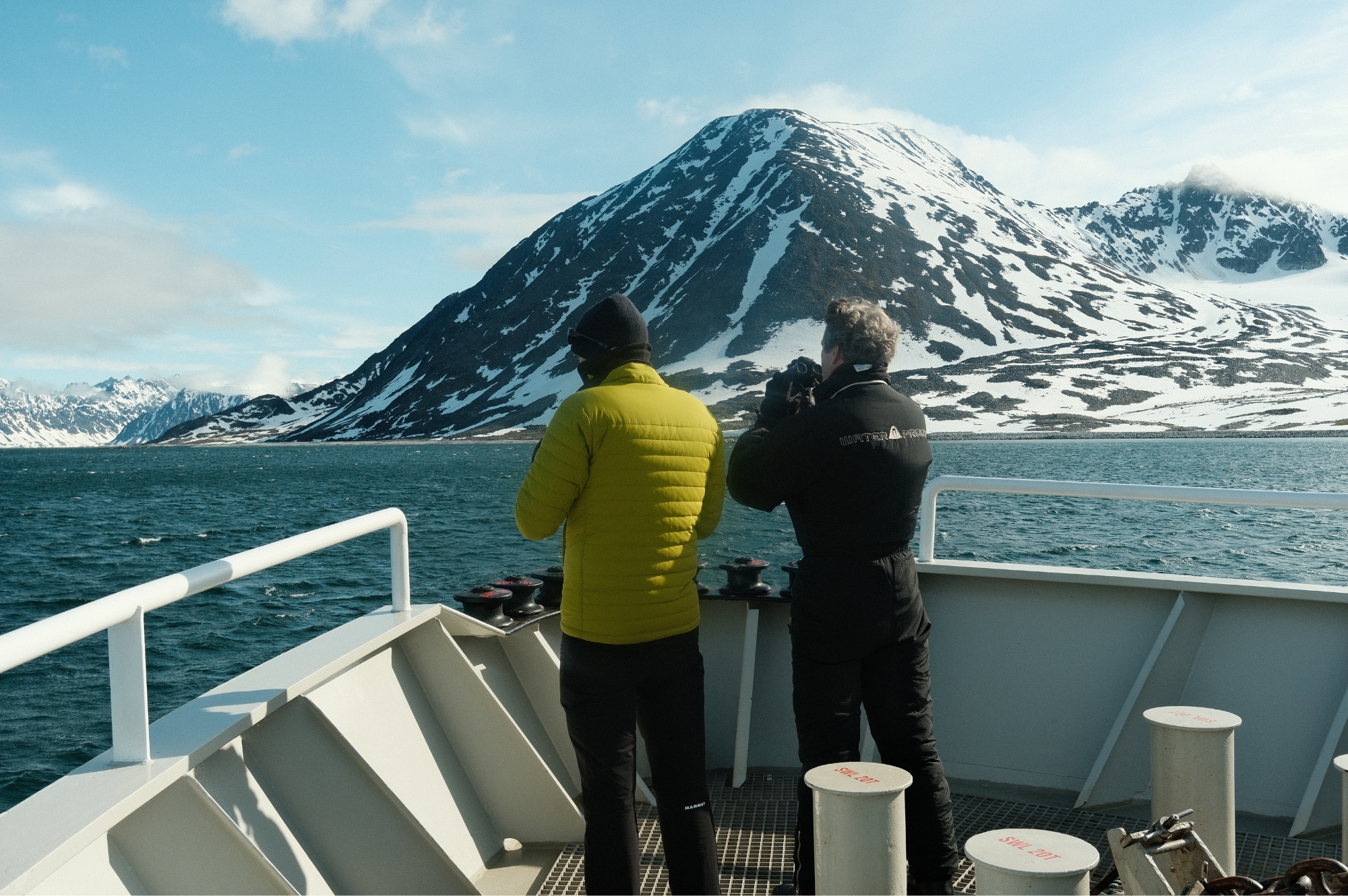
Which brings me to my second advice – invest in good binoculars. I brought a pair, but they were about as good as the zoom on my smartphone. Get a good pair, you will thank yourself later as quality makes a huge different when spotting distant wildlife or getting a closer look at the details of bird feathers.
Svalbard Signature Expeditions
Svalbard Awakening
Svalbard in the Light of the Summer Solstice
| Travel duration: | 10 days |
|---|---|
| Date: | 19 Jun - 28 Jun 2027 |
| Ship: | Explorer |
| Passengers: | 12 passengers |
Prices
All prices are per person and depending on availability. Please contact us for more details.
- Accommodation on board.
- Breakfast, lunch & dinner. Starts with dinner on the first night, ends after breakfast on the last day.
- Coffee, tea and water throughout the day.
- Warm zodiac suits.
- Rubber boots for landings. Limited sizes available, please bring your own boots if you want to be certain of a well-fitting pair.
- Shore landings and zodiac cruises.
- Use of sauna and jacuzzi.
- Lectures by the experienced guides.
- All service taxes and port fees.
- Flights & transfers. We recommend scheduling your flight home for the afternoon or evening at the earliest.
- All items of a personal nature such as laundry, bar drinks, etc.
- Gratuities for ships crew and expedition staff.
- Pre and post voyage excursions and hotel.
- Travel insurance.
Travel insurance with worldwide medical evacuation coverage is mandatory. We also strongly recommend taking out trip cancellation insurance. This will cover your costs in case you need to cancel your trip after you’ve confirmed your booking.
Would you like some more information?
Contact us!
Svalbard Untamed
Wildlife & Wilderness with Rinie van Meurs | Travel duration: | 11 days |
|---|---|
| Date: | 25 Jul - 04 Aug 2027 |
| Ship: | Explorer |
| Passengers: | 12 passengers |
Prices
All prices are per person and depending on availability. Please contact us for more details.
- Accommodation on board.
- Breakfast, lunch & dinner. Starts with dinner on the first night, ends after breakfast on the last day.
- Coffee, tea and water throughout the day.
- Warm zodiac suits.
- Rubber boots for landings. Limited sizes available, please bring your own boots if you want to be certain of a well-fitting pair.
- Shore landings and zodiac cruises.
- Use of sauna and jacuzzi.
- Lectures by the experienced guides.
- All service taxes and port fees.
- Flights & transfers. We recommend scheduling your flight home for the afternoon or evening at the earliest.
- All items of a personal nature such as laundry, bar drinks, etc.
- Gratuities for ships crew and expedition staff.
- Pre and post voyage excursions and hotel.
Travel insurance with worldwide medical evacuation coverage is mandatory. We also strongly recommend taking out trip cancellation insurance. This will cover your costs in case you need to cancel your trip after you’ve confirmed your booking.
Would you like some more information?
Contact us!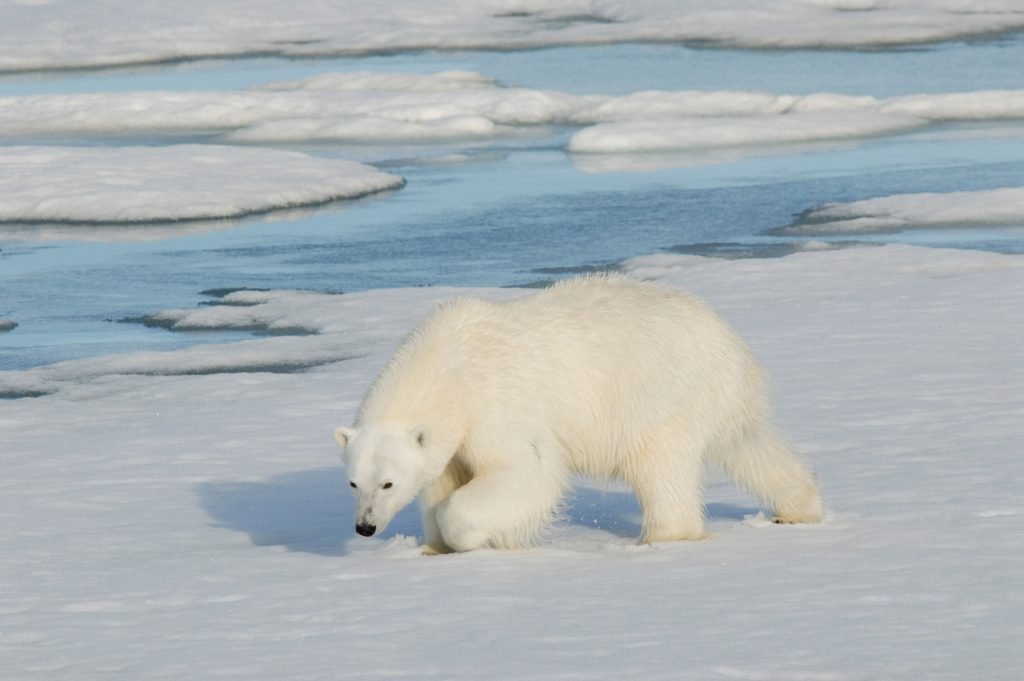
Only 1 spot left!
Svalbard’s Frozen North
Into the pack ice with Rinie van Meurs | Travel duration: | 16 days |
|---|---|
| Date: | 28 Jun - 13 Jul 2027 |
| Ship: | Explorer |
| Passengers: | 12 passengers |
Prices
All prices are per person and depending on availability. Please contact us for more details.
- Accommodation on board.
- Breakfast, lunch & dinner. Starts with dinner on the first night, ends after breakfast on the last day.
- Coffee, tea and water throughout the day.
- Warm zodiac suits.
- Rubber boots for landings. Limited sizes available, please bring your own boots if you want to be certain of a well-fitting pair.
- Shore landings and zodiac cruises.
- Use of sauna and jacuzzi.
- Lectures by the experienced guides.
- All service taxes and port fees.
Flights & transfers. We recommend scheduling your flight home for the afternoon or evening at the earliest.
- All items of a personal nature such as laundry, bar drinks, etc.
- Gratuities for ships crew and expedition staff.
- Pre and post voyage excursions and hotel.
Travel insurance with worldwide medical evacuation coverage is mandatory. We also strongly recommend taking out trip cancellation insurance. This will cover your costs in case you need to cancel your trip after you’ve confirmed your booking.
Would you like some more information?
Contact us!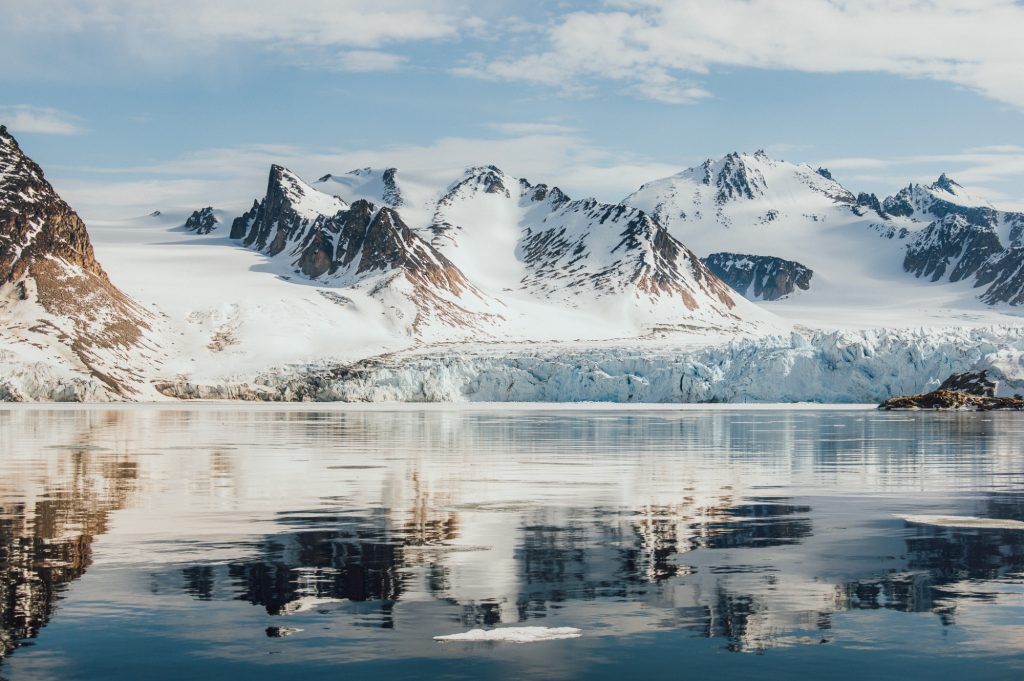
Fully booked
Svalbard’s Frozen North
Into the pack ice with Rinie van Meurs | Travel duration: | 13 days |
|---|---|
| Date: | 13 Jul - 25 Jul 2027 |
| Ship: | Explorer |
| Passengers: | 12 passengers |
Prices
All prices are per person and depending on availability. Please contact us for more details.
- Accommodation on board.
- Breakfast, lunch & dinner. Starts with dinner on the first night, ends after breakfast on the last day.
- Coffee, tea and water throughout the day.
- Warm zodiac suits.
- Rubber boots for landings. Limited sizes available, please bring your own boots if you want to be certain of a well-fitting pair.
- Shore landings and zodiac cruises.
- Use of sauna and jacuzzi.
- Lectures by the experienced guides.
- All service taxes and port fees.
Flights & transfers. We recommend scheduling your flight home for the afternoon or evening at the earliest.
- All items of a personal nature such as laundry, bar drinks, etc.
- Gratuities for ships crew and expedition staff.
- Pre and post voyage excursions and hotel.
Travel insurance with worldwide medical evacuation coverage is mandatory. We also strongly recommend taking out trip cancellation insurance. This will cover your costs in case you need to cancel your trip after you’ve confirmed your booking.
Would you like some more information?
Contact us!Still looking for your dream expedition?
Subscribe to our newsletter and be the first to see inspiring content, new expeditions and special offers. As a welcome gift, you will receive a € 250 discount voucher.
"*" indicates required fields