Photography
Underwater Photography in the Polar Regions
by Göran Ehlmé
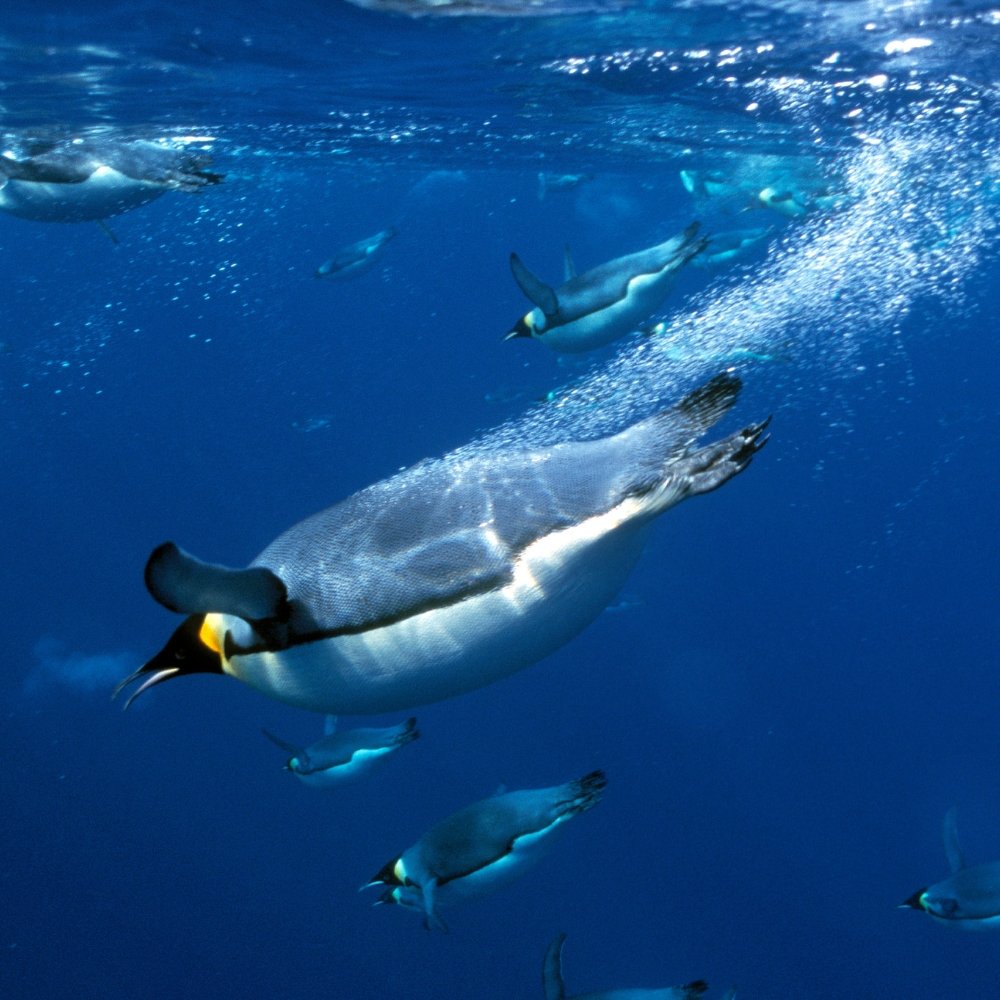
The Polar Oceans are some of the most incredible, yet difficult environments in the world to photograph or capture in video. Conditions like bright light, low temperatures, high particulate matter and surge are often combined. This creates a challenge for even the most experienced underwater photographers. The common perception is that the Polar waters are so cold, they are absent of life. Nothing could be farther from the truth. Antarctica and the Arctic have some of the richest marine environments in the world, full of surprises. The creatures found there are colorful and astonishing, offering many opportunities for stunning and unique images to take while polar diving or snorkeling.
Preparing for underwater photography
A polar expedition should not be treated as an introduction to underwater photography. Your time in the polar regions is too valuable to spend learning how to use your gear. You should be fully comfortable and proficient with your equipment before you start your journey. With busy lives, it’s easy to underestimate the preparation needed for a major trip, but for many, this is a once‑in‑a‑lifetime experience. Whether on land or underwater, everything should run as smoothly as possible.
Often we treat ourselves to new gear before big expeditions, assuming there will be time to learn it on location. In reality, time is limited and equipment is complex. Do yourself a favor and learn all your gear, from regulators to cameras, before leaving home.
If you’re not familiar with underwater photography, we recommend taking an introductory course in advance so you have the basics firmly in place.

Be familiar with your camera equipment
Getting to know your equipment and shooting with it is the most important thing, even if you can only spend time in a pool photographing tiles to do so. This practice will not only allow you to get used to your dry suit and other essential dive or snorkel equipment, but will also give you the building blocks needed to maximize your time underwater. You want the operation of your equipment to become like second nature. Write down your favorite camera settings on a plastic write card, analyse your images and make notes of what works best in which situation.
Handling your camera in cold water
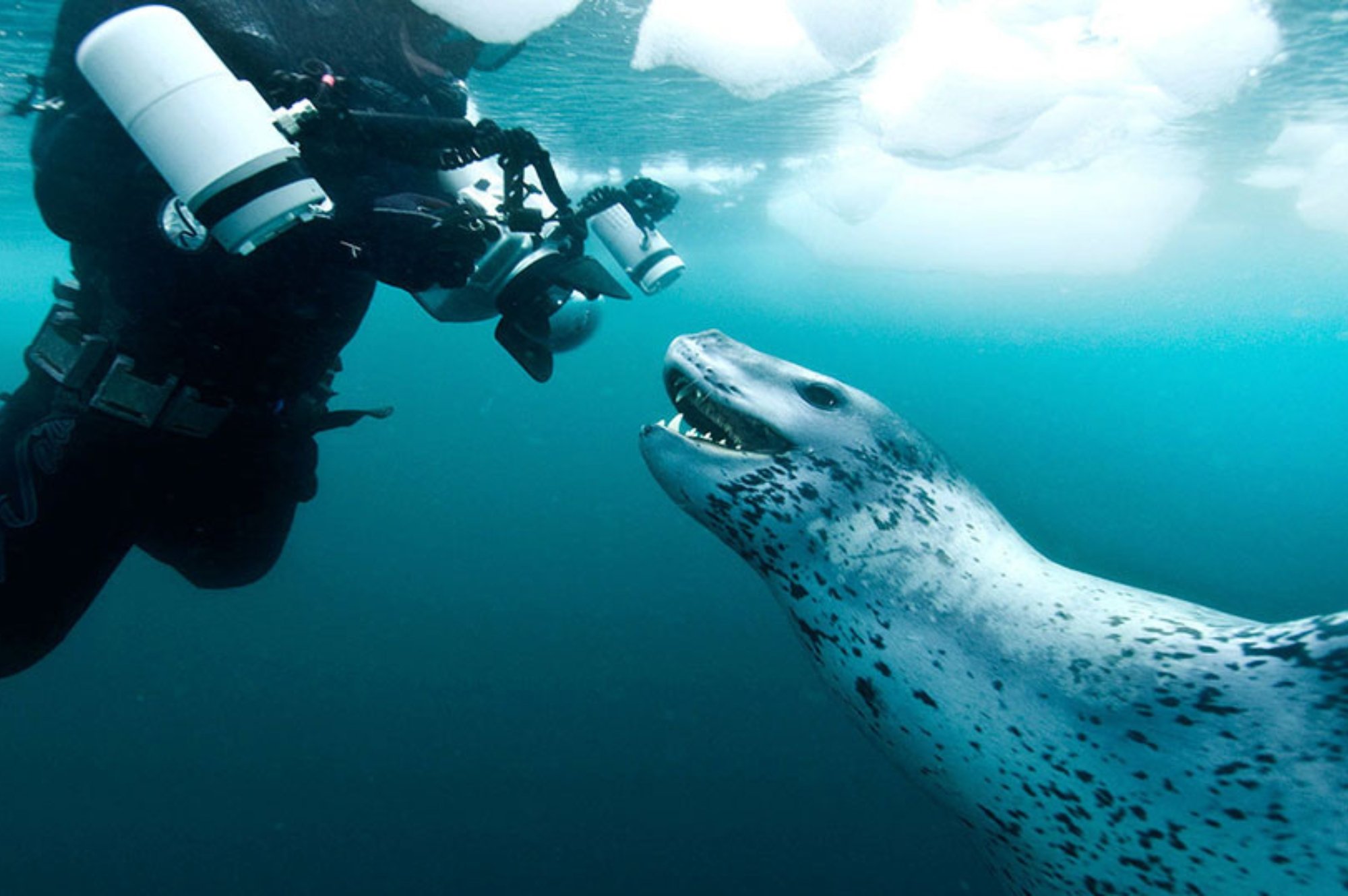
The first thing to start feeling uncomfortable underwater, no matter what kind of gloves you wear, will be your hands. Although you may not be able to fully simulate the cold, it’s important to get used to operating the small buttons on your underwater housing while wearing large, cumbersome gloves. You should be able to find your shutter release without having to look for it, and know exactly where to go in the menu to change your camera settings.
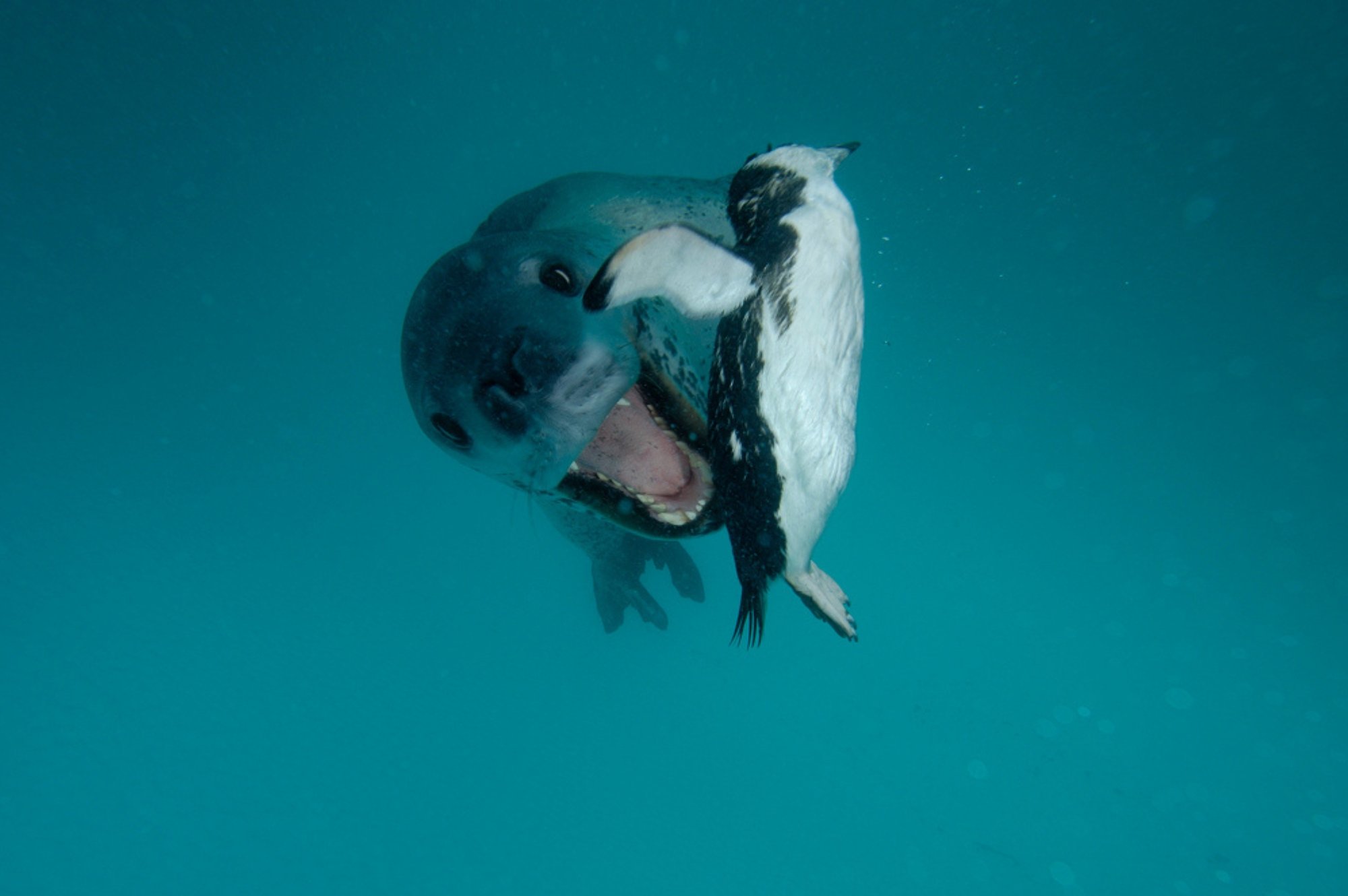
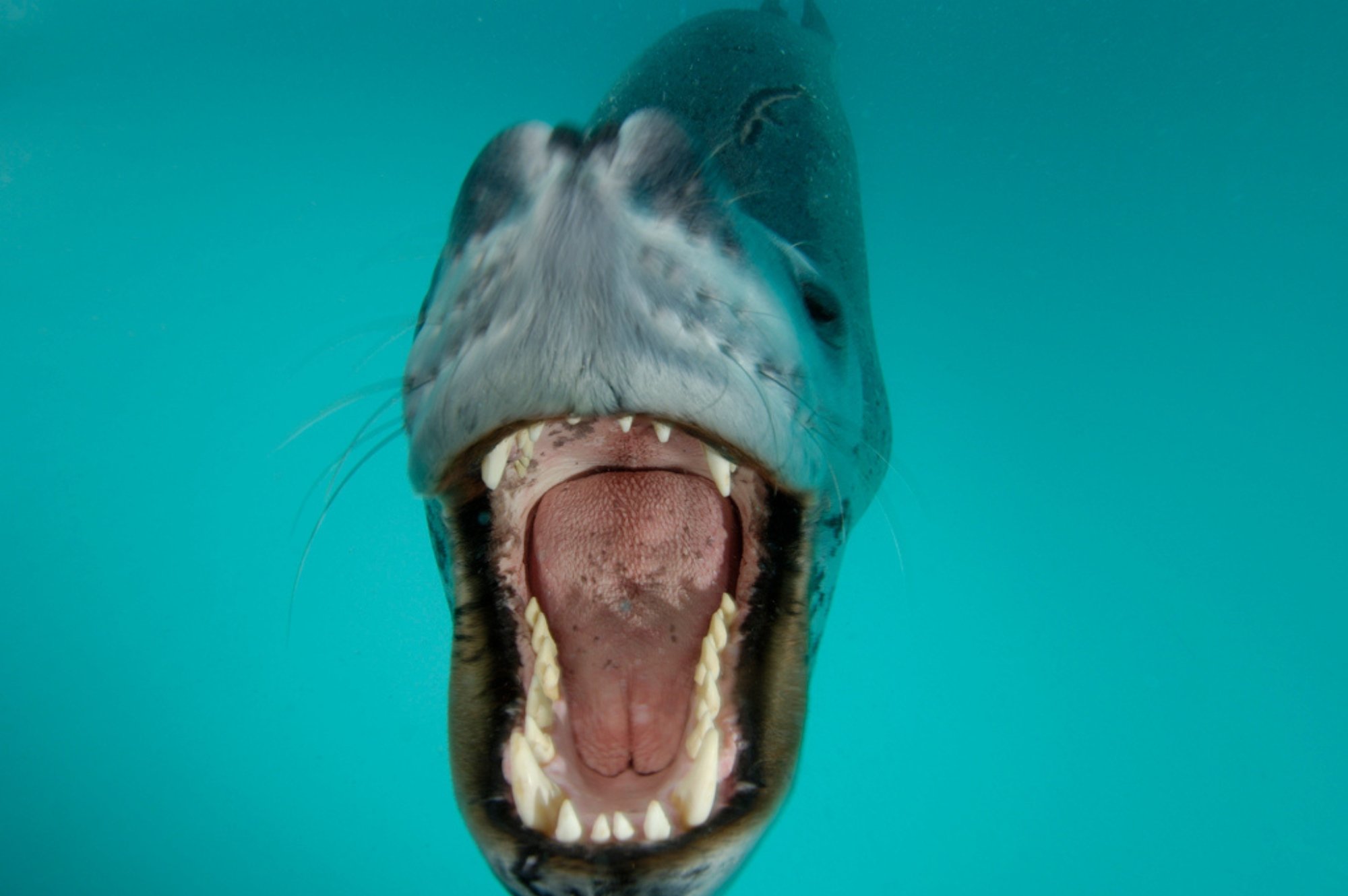
All of this should be done relatively quickly, as quickly as you can move wearing a drysuit and full dive gear. In every respect, the polar regions are unpredictable, so you may have your camera set up to shoot benthic animals when a leopard seal suddenly appears. You’ll need to react fast to capture the image.
Equipment for under water photography
Since Göran began underwater photography in the polar regions, he has had the great fortune of experiencing a revolution in the way images are captured. It took nearly twenty years for cameras and equipment quality to evolve, but with the advent of digital photography and HD video, underwater photography and videography suddenly reached an entirely new level. Instead of being limited to 36 frames per dive, where the combination of natural light, strobes, and particles in the water often made results unpredictable, you now have option upon option.
Today, underwater photography is accessible to a much wider audience, and who doesn’t want to take underwater images while on vacation? A simple waterproof action camera or a good underwater housing for your smartphone are excellent options for those unfamiliar with handling professional camera equipment. Many offer impressive features and allow considerable freedom when it comes to settings.
Underwater camera housing
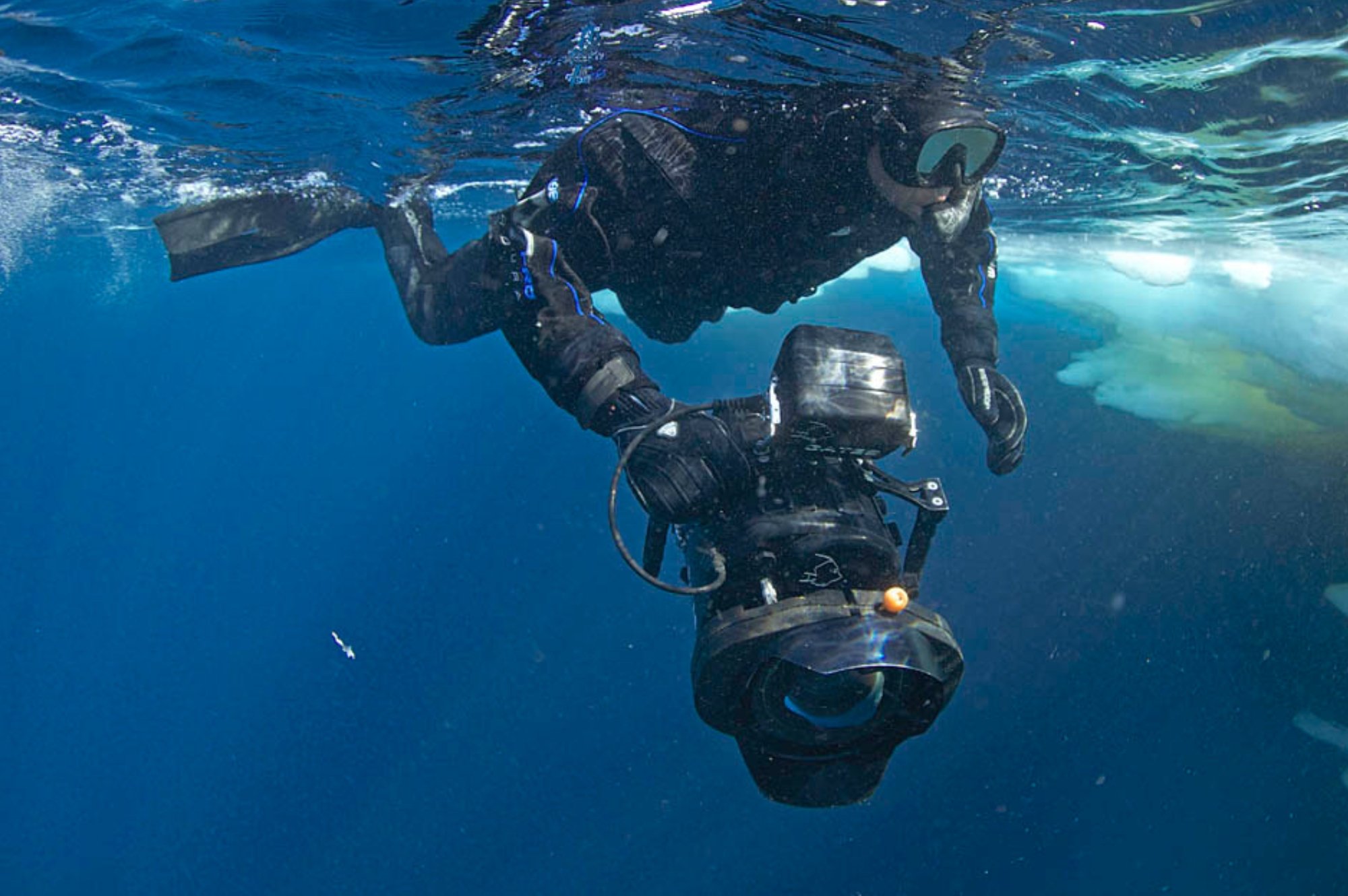
Purchasing a housing for your camera can be a mind‑boggling experience, there are so many choices. Made of aluminum or plastic, negatively buoyant or positive. Though it ultimately comes down to personal preference, if one suggestion can be made, it would be to ensure that your camera and housing are slightly buoyant. Think of it as a safety precaution for both yourself and your rig, just in case it drops in the water.
You might be surprised how many times your camera changes hands. It is passed down into the zodiac, then handed to you in the water, you carry it throughout the dive, then pass it back up into the zodiac after the dive, and eventually back onto the ship. It only takes one person with cold hands to drop it. Even with the best intentions of keeping a setup positively buoyant, external items such as strobes can make the rig negatively buoyant, so using a safety cord is another sensible precaution.
Maintenence of your camera and gear
With advanced technology also come additional things to worry about: Electronics do not like water or moisture, so it is important to take the following into account: Once your camera has been set up and exposed to the cold outside, NEVER bring it inside the ship or cabin, or any other place that is warm. If you bring your (cold) camera into a warm area and open it up, all the moisture in the air will condensate onto the camera. Antarctica may be the driest place on earth, but you can bet your camera will find any moisture there is in the air.
Your best bet is to leave your camera, in the housing, drip off outside, and later dry it with a towel. Then take it to a sheltered place, still in a colder environment, remove the card and the battery, placing them into a ziplock bag, allowing them to heat up for an hour or two before opening the bag again. The best is if you keep the camera and housing outside (sheltered of course) so it is only the card and the battery you have to worry about changing.
Speaking of batteries, in cold water, the rule of thumb is battery power will be half of what it is normall. If you are using older batteries, make sure to buy new ones before you leave, preferable ones specifically for cold weather conditions, and always bring spares with you.
Another trade secret is to buy lots of silica gel bags to soak up moisture. Frequently change them in and out of your housing. This also applies to “topside” photography. At the very least, make sure you bring a waterproof bag to protect your gear when in the zodiac.
Regardless of your precautions, sometimes a little patch of moisture will form at the center of the lens, especially with lenses that actually have contact with the water. This usually disappears in 30 – 60 minutes, just before you finish your dive. It is most often caused by direct sunlight heating up the lens of your camera, so whenever possible, keep the camera covered and out of the elements, especially when you’re in the zodiac.
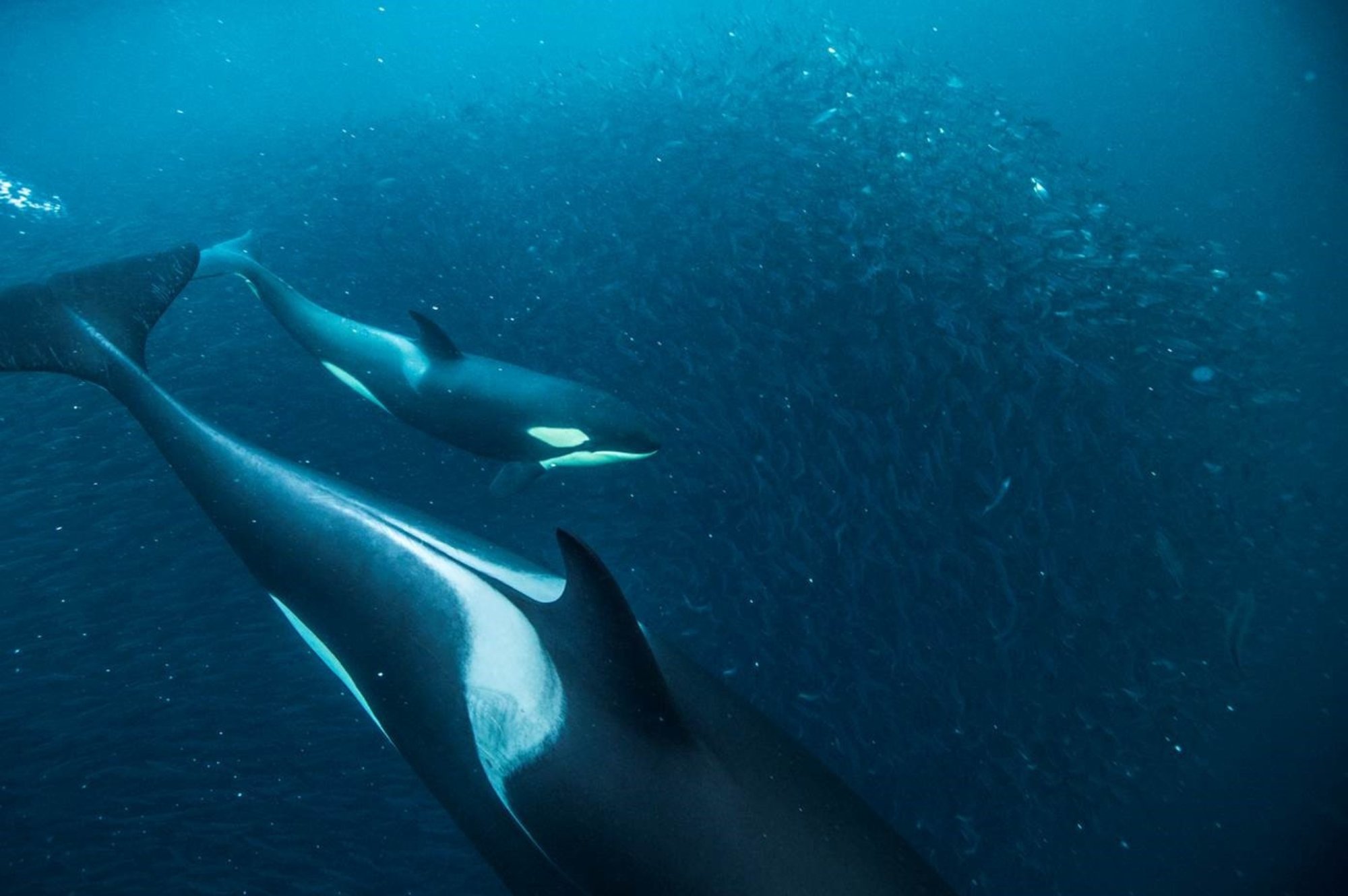
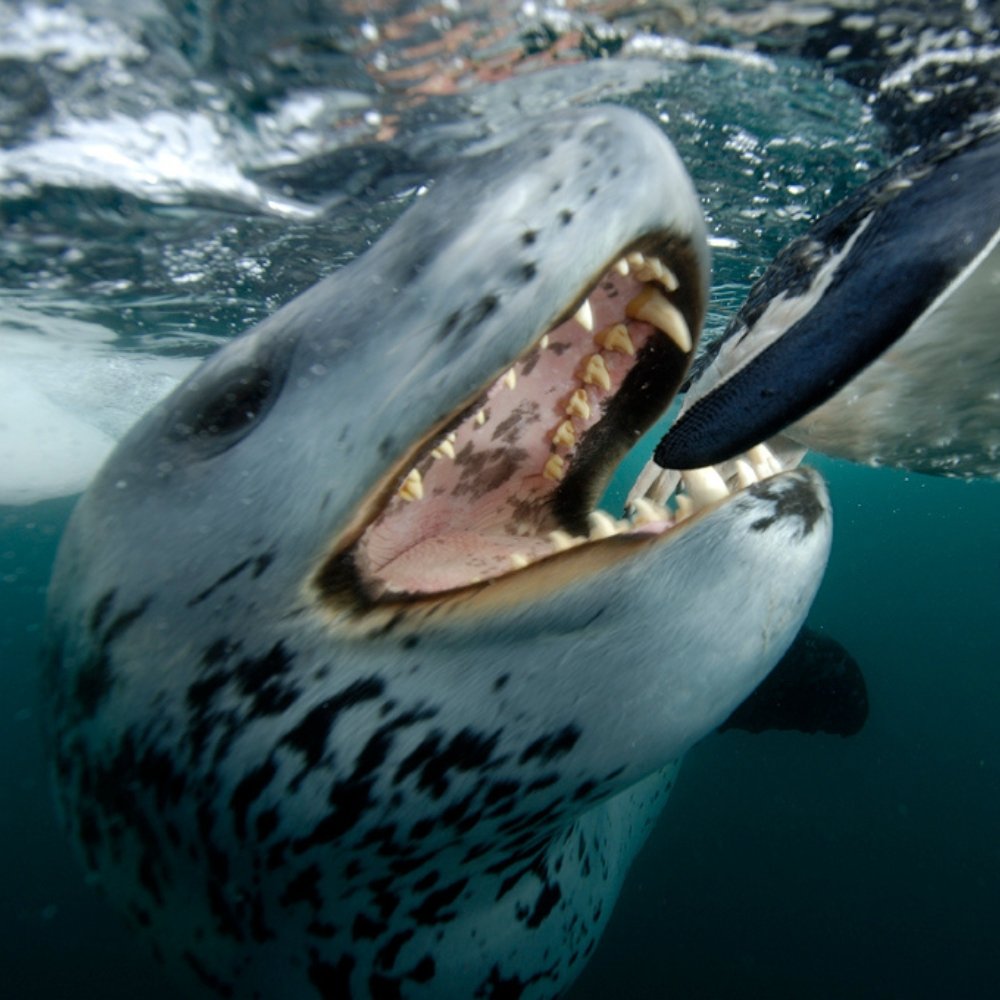
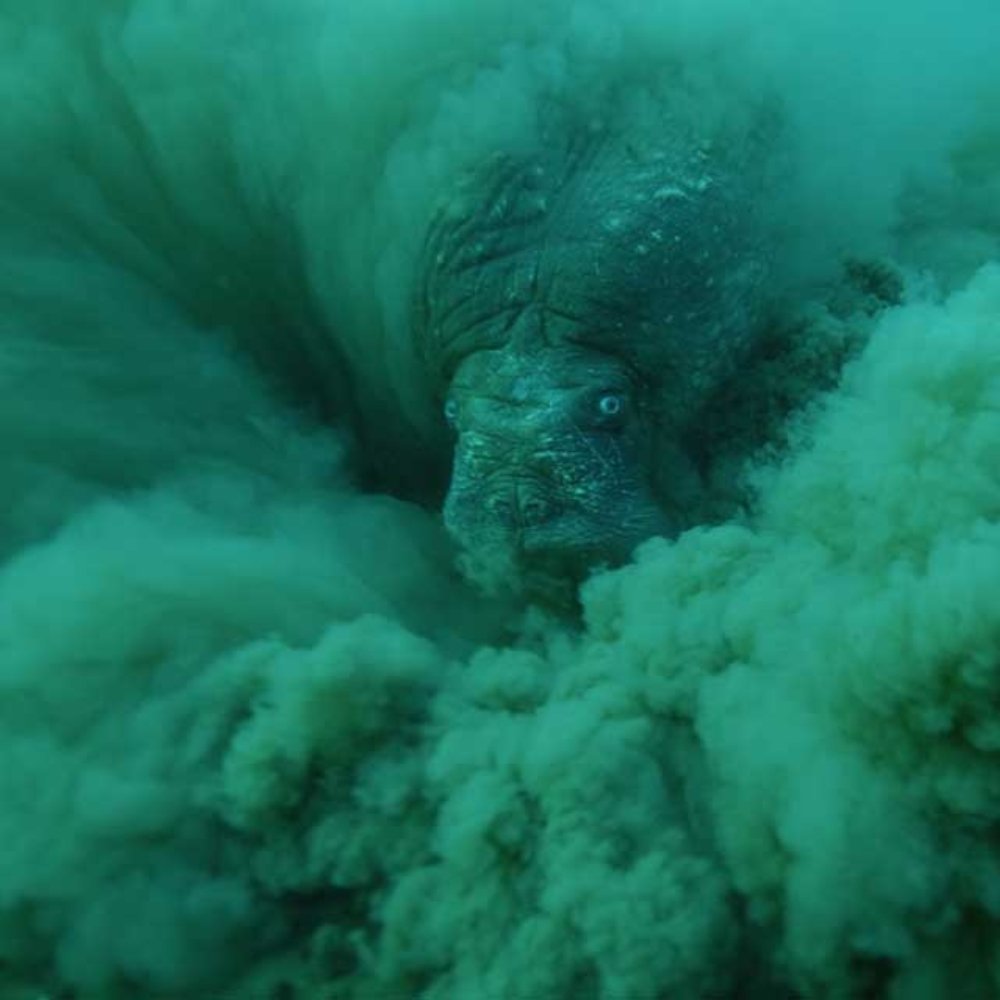

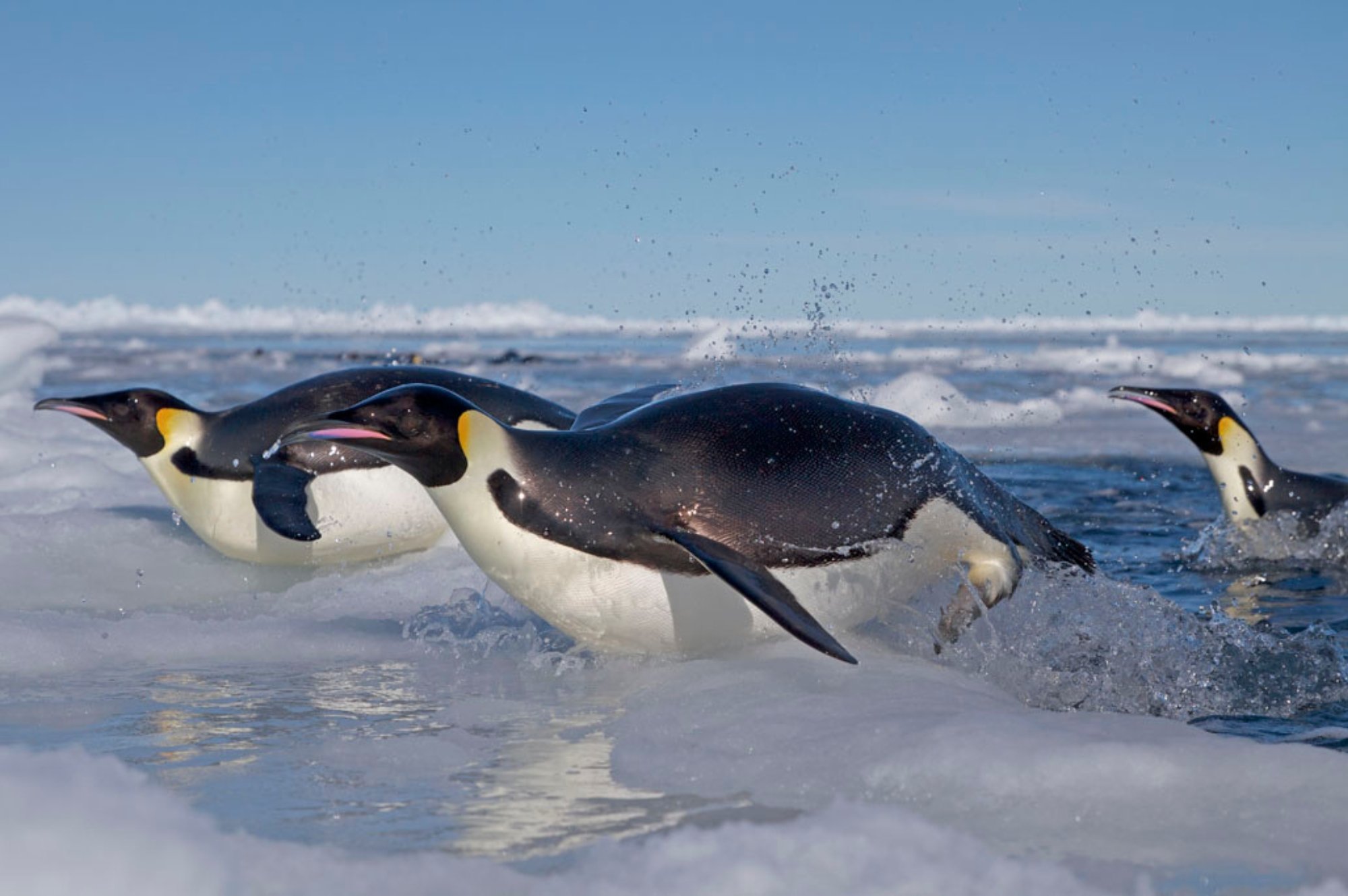
White and bright
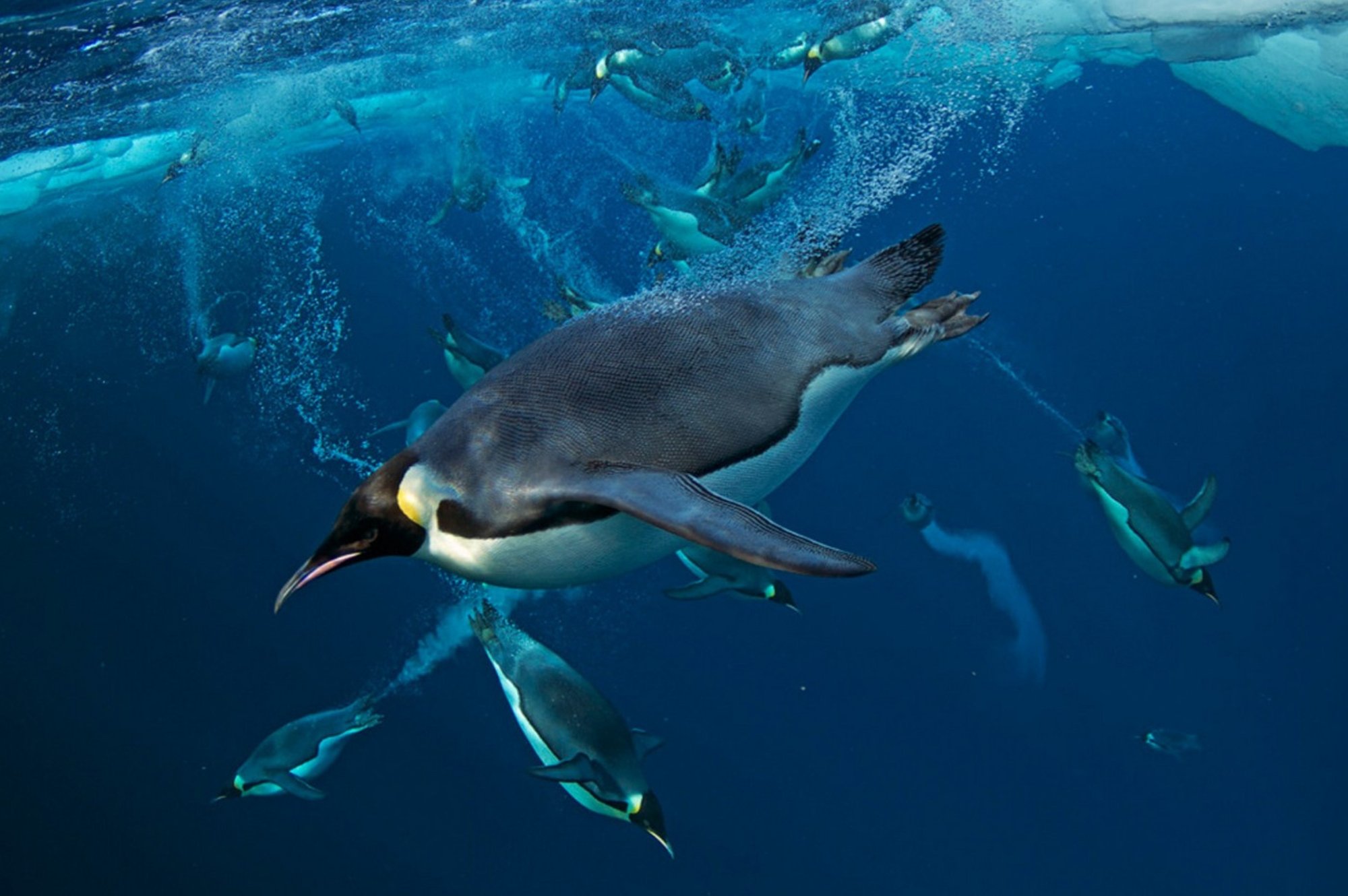
Shooting the intricate patterns found in underwater ice is a dream for many. However, these magnificent ice structures can break light beams and create unwanted reflections that easily become overexposed. Almost all of Antarctica’s most photogenic animals, from penguins to nudibranchs, have white areas on their bodies, yet they are often set against an extremely dark environment, which further complicates exposure. Similarly, when shooting penguins or seals in shallow water, while trying to compensate for reflected surface light and increasingly darker water below, the lighter body parts can easily become overexposed. To prevent these issues, closely monitor your exposure and adjust the f‑stop accordingly. Additionally, when photographing seals or penguins in natural light, make sure your camera is set to a higher shutter speed.
Keep a wide angle
When shooting, always think as wide as possible, except when working with macro. Forget the zoom unless you’re using a wide‑angle zoom lens. It’s almost always better to stay wide and move closer to your subject if conditions allow. If your subject is moving, or if your autofocus struggles to track it, one useful technique is to focus on your fin and lock the focus. This often results in sharp focus very close to the lens and extending into the distance.
Underwater wildlife photography
Underwater photography of penguins, seals, and whales is usually done while snorkeling rather than diving. When Göran worked with Paul Nicklen on his National Geographic leopard seal assignment, they almost always snorkeled. Snorkeling offers a quick and silent advantage, which is key to a successful encounter. However, this approach often causes the camera to rise out of and fall back into the water, especially when attempting split‑level (half‑and‑half) shots. A common issue is that small air bubbles collect on the front element of the lens, even when treated with products like Rain‑X. Get into the habit of wiping your lens as often as possible; there’s nothing more frustrating than a great image obscured by bubbles.
When snorkeling with animals in Antarctica, ambient light is generally sufficient for photography. However, even at shallow depths, using a strobe can add extra sparkle, bringing a touch of “life’s light” into an animal’s eye.
Some final tips & advice
The underwater World of Antarctica and the Arctic is a place where few in the world will ever personally venture. It has a bountiful benthic and pelagic community, and there are so many opportunities for images, while on the dive, it is sometimes difficult to concentrate on only one subject. The key to good underwater photography in the polar regions is to keep shooting, and then shoot some more. Whether you are a videographer or photographer, the cost and preparation you put into your polar expedition will all be worth the effort.
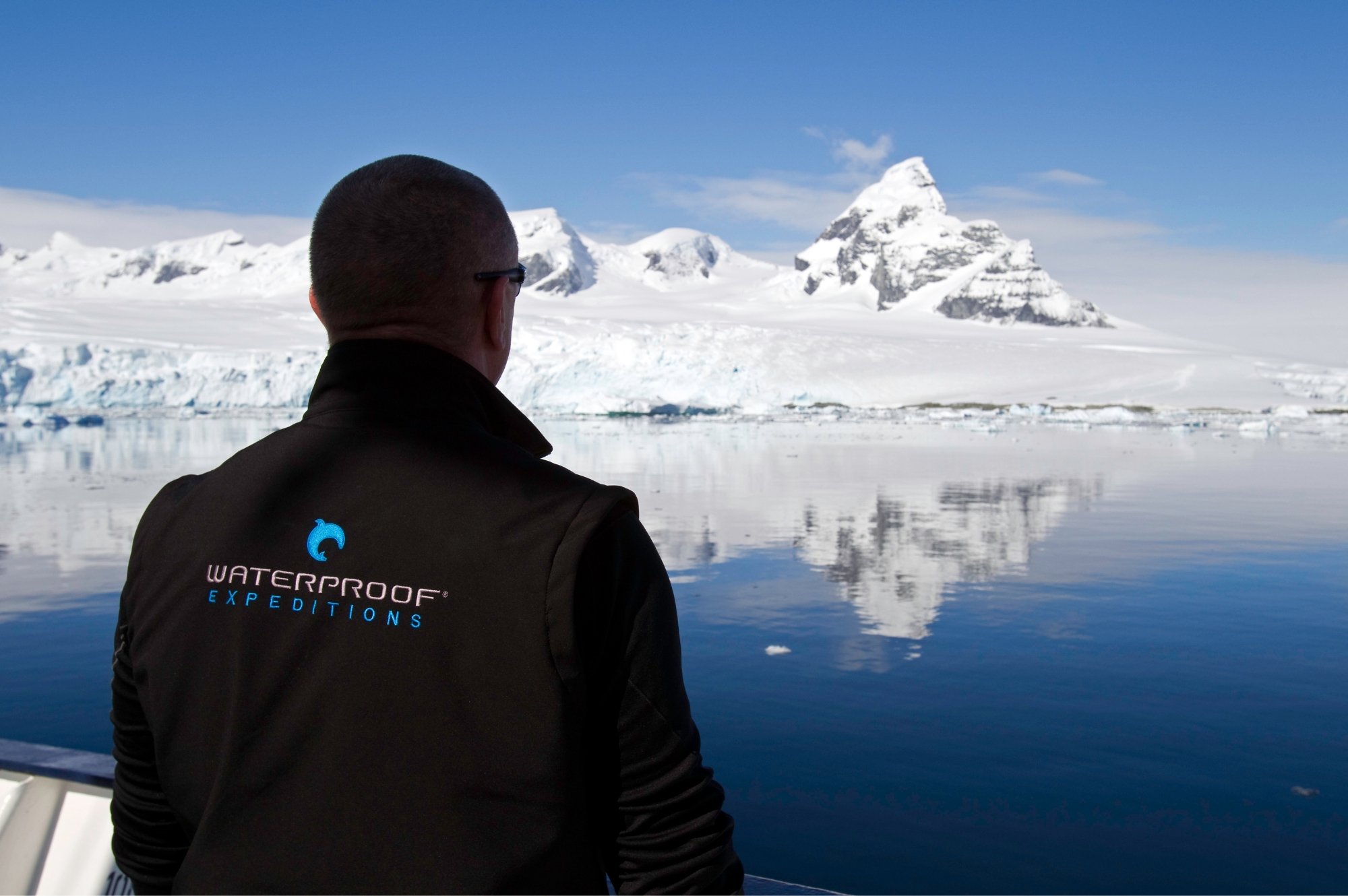
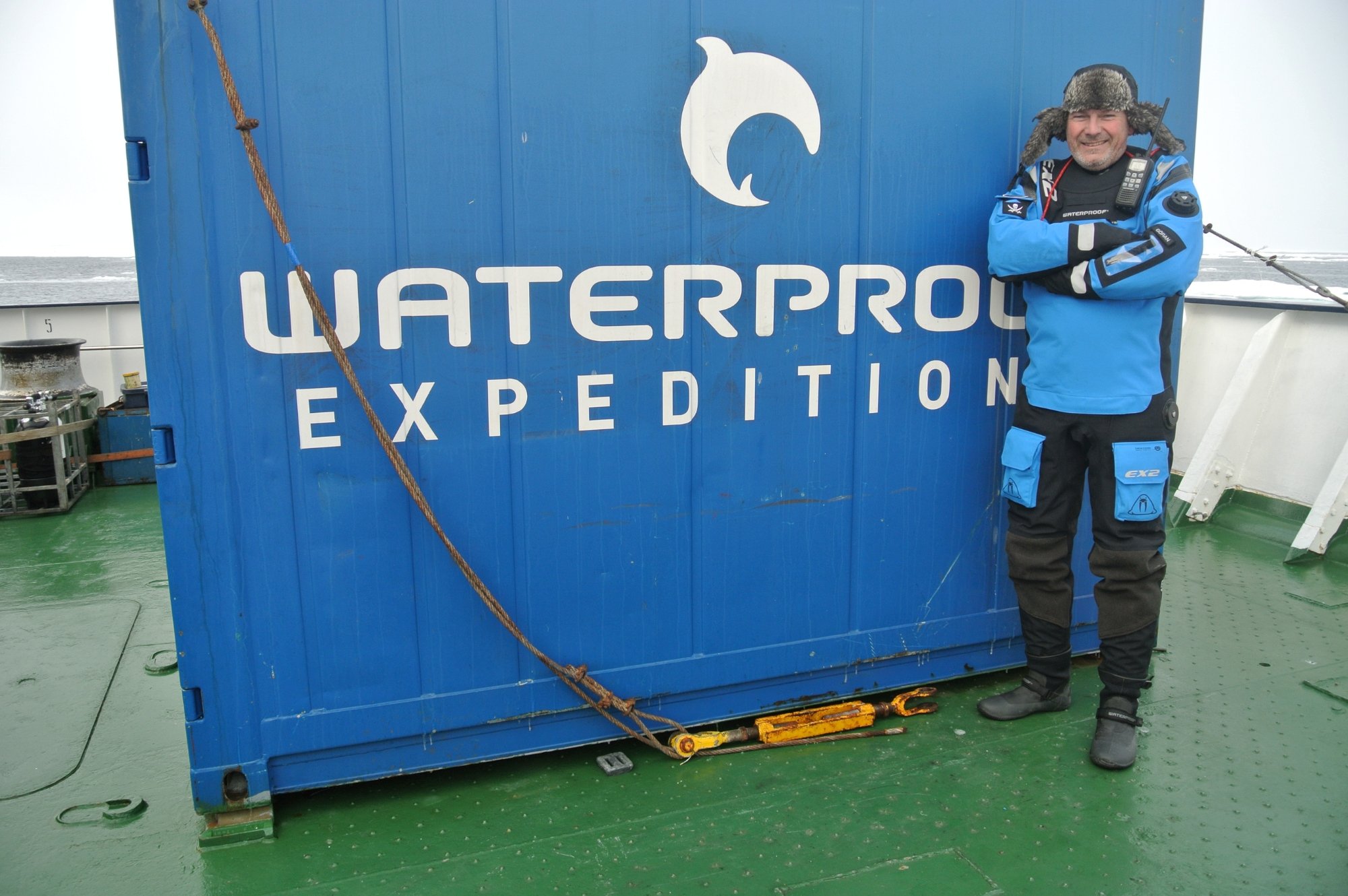
About Göran Ehlmé – Co-founder of Waterproof Expeditions
Göran Ehlmé was the first to lead diving expeditions to the polar regions. As Head of the R&D departement and co-founder of Waterproof Diving International in Sweden, he tests his drysuits during his filming work in the Polar regions and has designed them with first hand experiences in mind.
As an underwater cameraman for BBC and National Geographic he frequently travelled with his friend Paul Nicklen filming Leopard Seals, Emperor Penguins and Orca’s. He has won several awards with his work and Görans footage is used in numerous series and films over the past twenty years.
Still looking for your dream expedition?
Subscribe to our newsletter and be the first to see inspiring content, new expeditions and special offers. As a welcome gift, you will receive a € 250 discount voucher.
"*" indicates required fields