Orcas & Whales
Capturing the Winter Whales of Northern Norway
by Photographer Marcel Lesh (Evolumina)
Tromsø – November 2023. I just landed in a small city above the Arctic Circle, and I had no idea what to expect from my first adventure on a boat. I have seen amazing photos and videos, but how will it feel and look like? As a photographer, I like to plan my trips in detail, and usually get a pretty good idea of what awaits me. Not this time. This is an expedition in the true sense of the word.
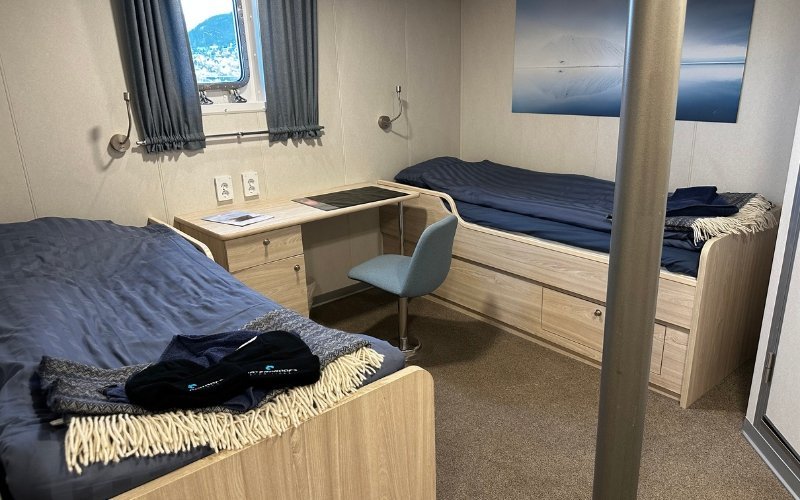
Daylight is sparse this far north. The sun has already set when it’s time to board expedition ship Virgo in the harbour of Tromsø. The crew and guides are waiting for us, and just minutes after entering my new home for the next two weeks, we are off to the fjords in the North. It’s time to settle down in my room and get the equipment ready for the next day or the possibility of photographing the Northern Lights once we arrive in the fjord for the night. I will look out for them every evening by checking some forecast apps and looking out the window.
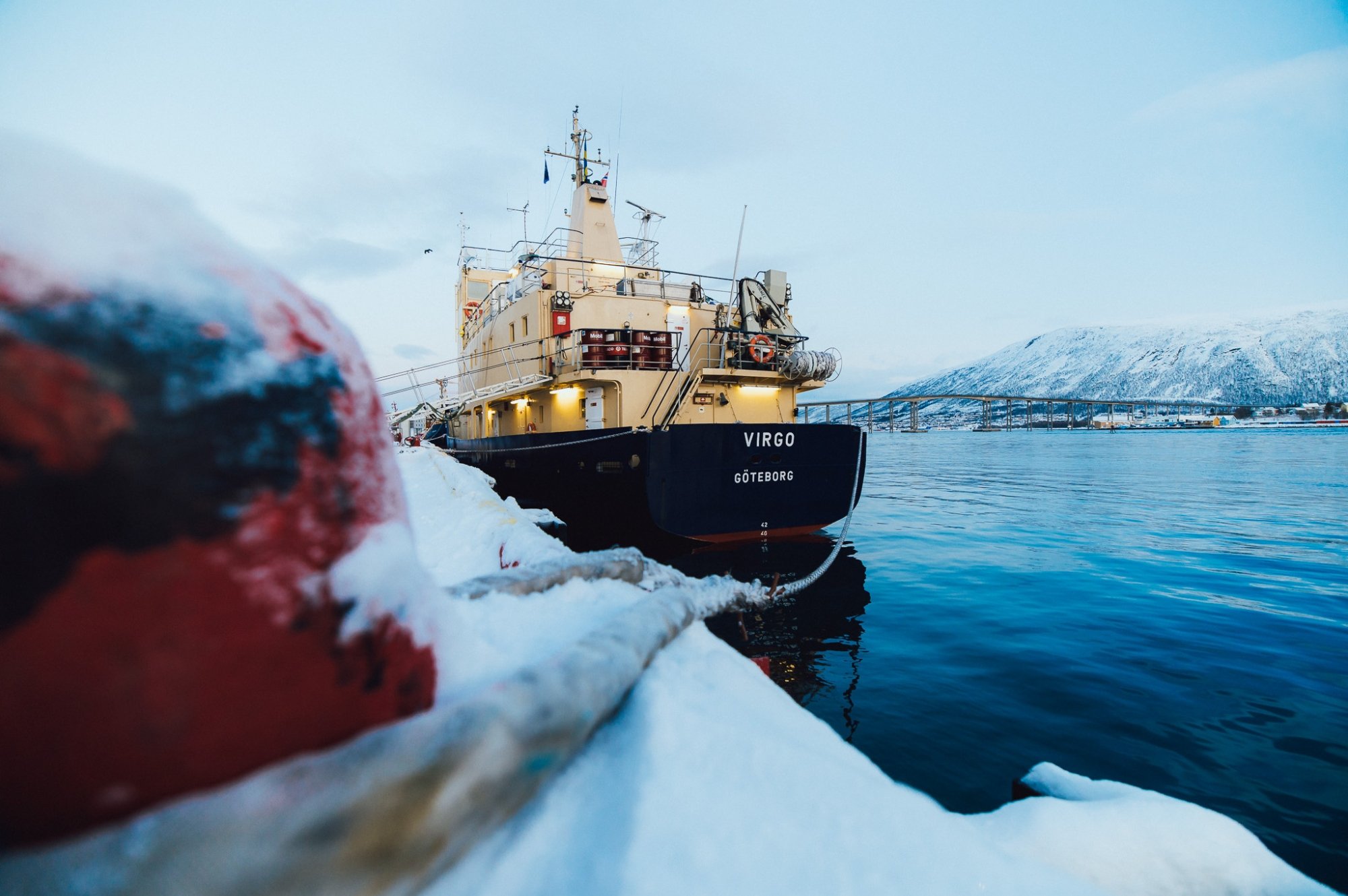
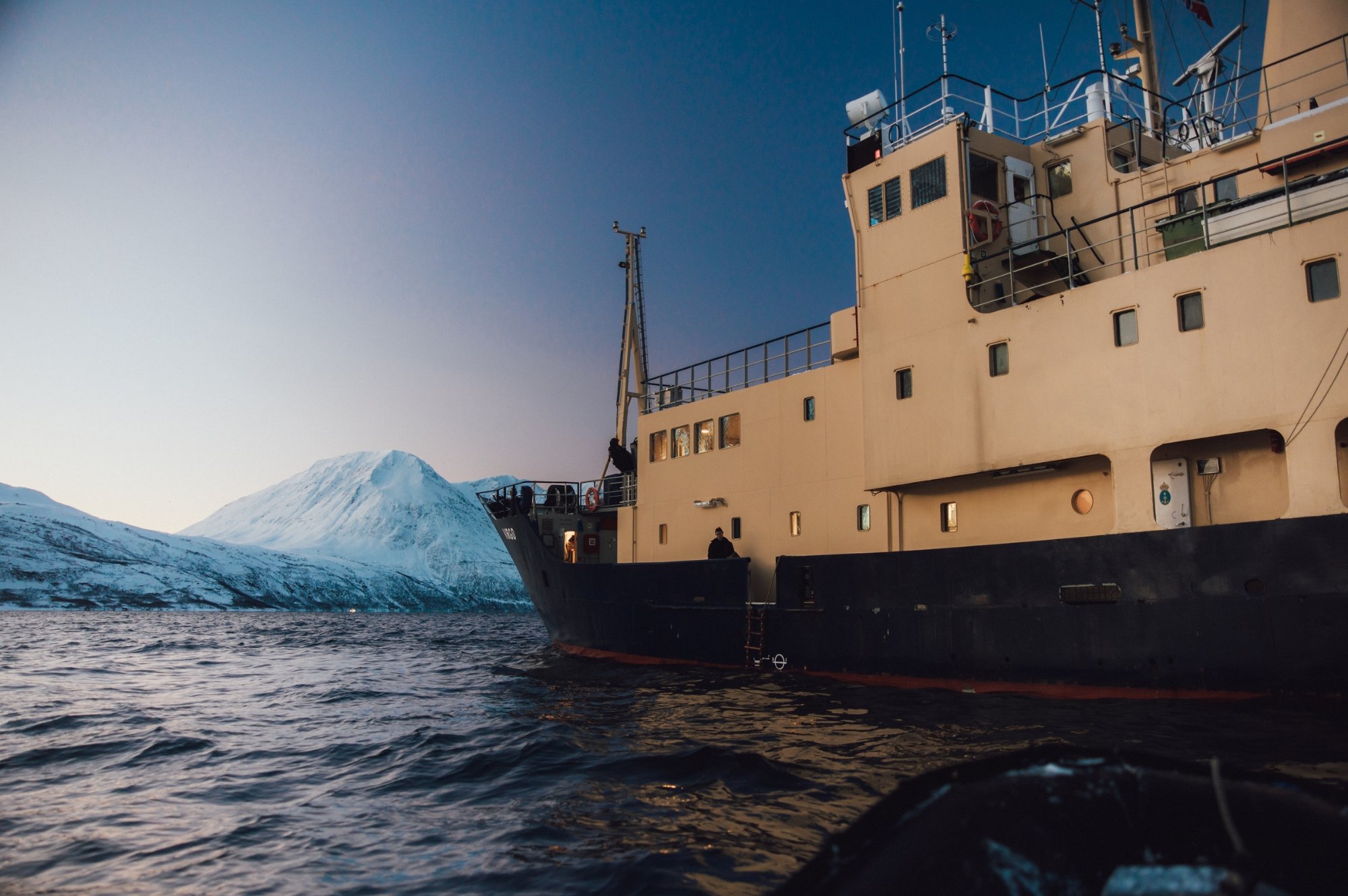
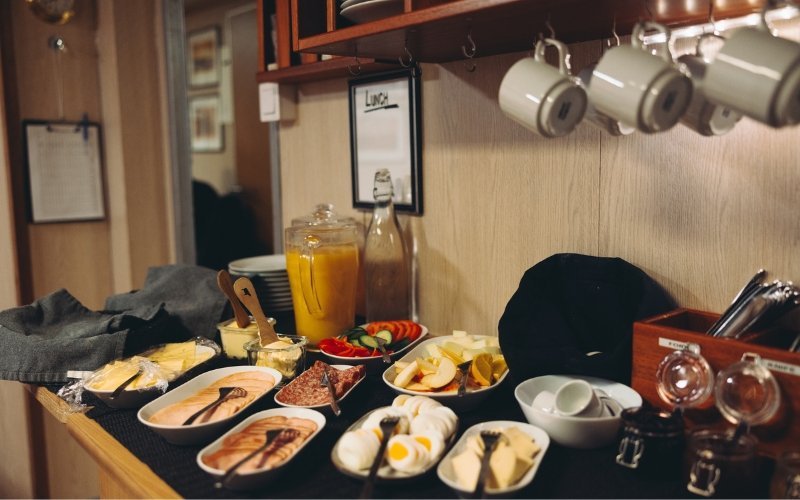
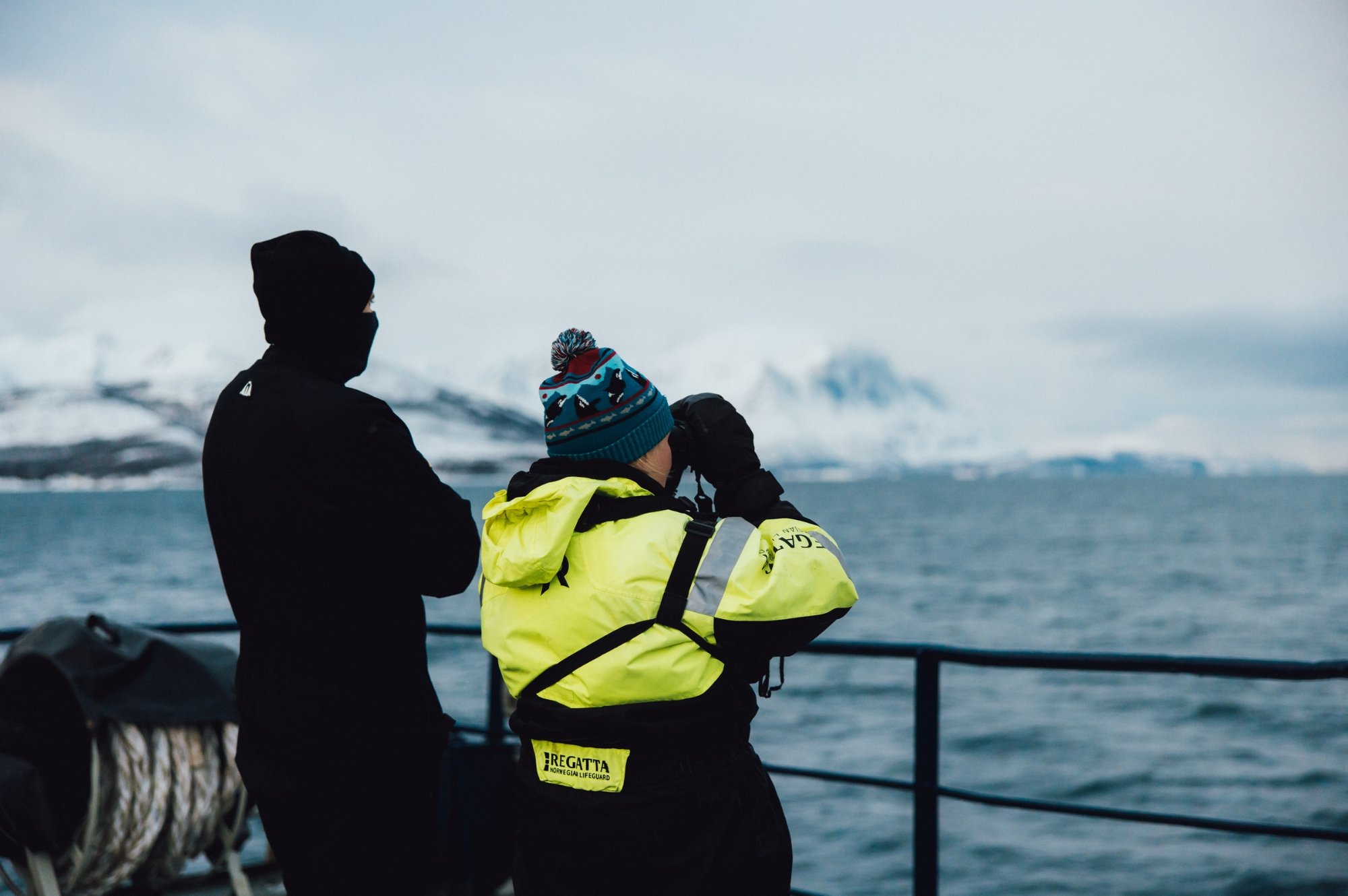
We start every day with a good breakfast buffet. Afterwards, the guides head up to the bridge and try to find the first whales, supported by the ship’s captain. They have an open bridge policy, so every passenger is allowed to join them in the search for wildlife. During the following weeks, I will either join them on the bridge, or go out in the front deck of the ship and take photos of the first encounters in the distance with the tele-lens I brought.
Photography gear
Let’s talk about gear and what to bring for wildlife photography in Norway. With me, all the time, are two Canon bodies: A Canon R5 and an R3. I also got the following lenses:
- RF 15-35mm 2.8: Mainly for photographing the Northern Lights, but it’s also great to take photos of other guests on the zodiacs
- RF 28-70mm 2.0: For whale photography and capturing other wildlife whic is close enough to the zodiac.
- RF 70-200mm 2.8: To take wildlife photos from the zodiac, in case the whales are a bit further away to reach with the 28-70.
- RF 400mm 2.8 prime: To get wildlife close-ups. But this one is too big and expensive to bring on the zodiacs. You also get close enough to the whales, so there is hardly any need for such a focal length.
The DJI Mavic 3 Pro also comes along on this trip. If you want to fly your drone, you must speak to the guides and the captain. I was not allowed to start it from the zodiacs, only from the aft deck of the vessel after approval from the captain. This also means that you can not join the zodiacs on this day. Thankfully, I had two weeks on the ship, and it was okay to miss some time in the smaller boats.
Finally, make sure to also bring your computer to secure your footage after each day and enough memory cards or external storage since you will take thousands of photos!
Close encounters with the whales
Back to the daily routine. Whenever the guides spot a group of whales that travels slowly enough for us to go out for a closer look in the zodiacs, we get the call to get ready. This means: Get your camera equipment and put your zodiac suit on. While guests are suiting up, the crew lowers the two zodiacs on the ship’s side. You will be designated to a group and stick with one of the two guides for that day.
The zodiacs offers a great water-level perspective on the action, perfect to photograph the whales up close. It is good to bring a waterproof backpack with you though, because things will easily get wet when cruising around.


Responsible Whale Watching
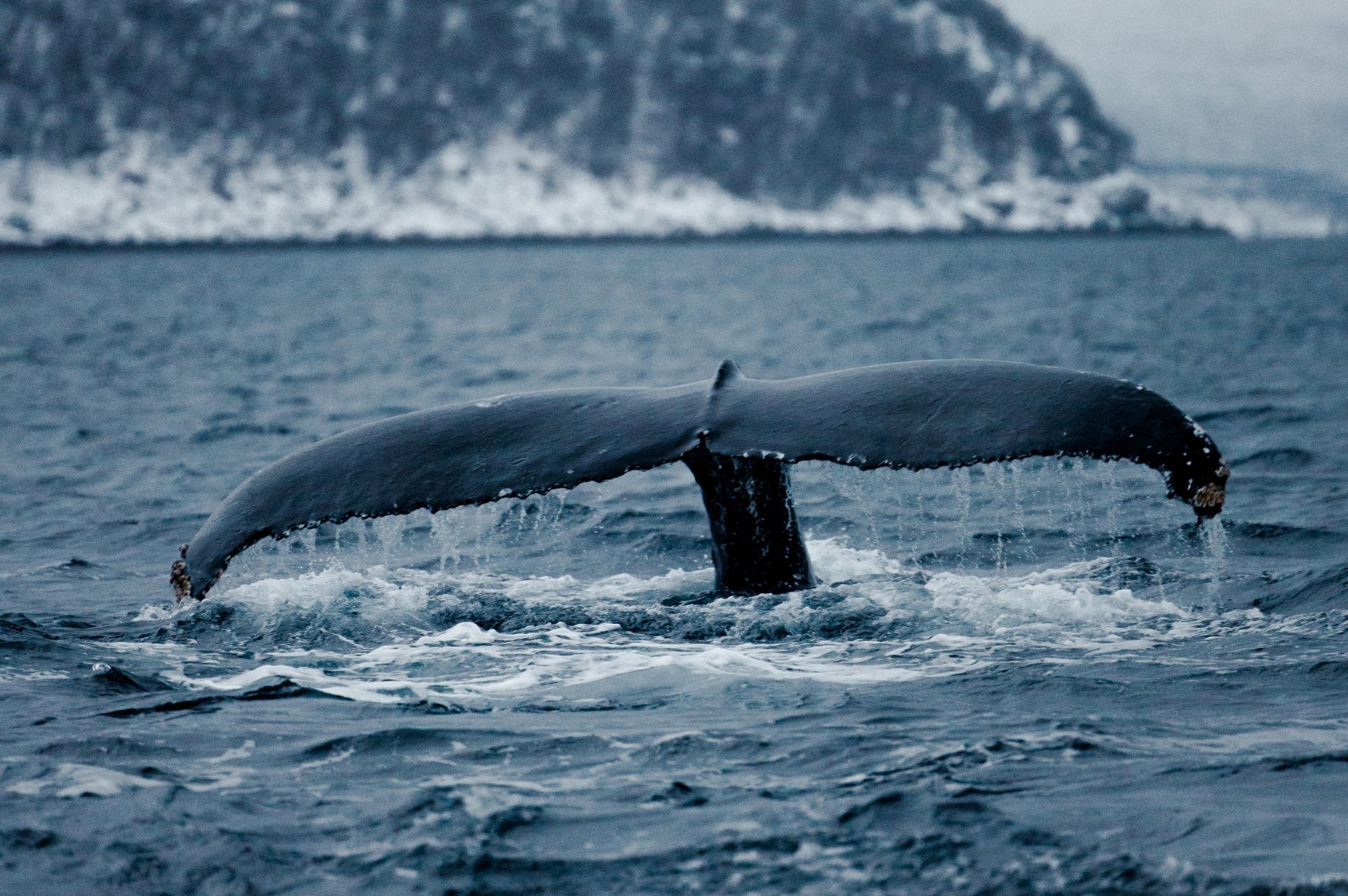
Waterproof Expeditions follows strict rules on approaching whales and wildlife in general. The zodiacs travel slowly once they get closer to the whales. They try to approach them from the side, not from the back or front, to give enough space to the animals. If the whales accept our presence, they will reduce their travel speed, and we can photograph them. This is a crucial aspect to me when it comes to consciously watching wildlife. Most of the time, I had the whales just meters away from the zodiac, which meant I could get some great close-up photos and videos of this unique experience!

Orca Photography: Bait Balls
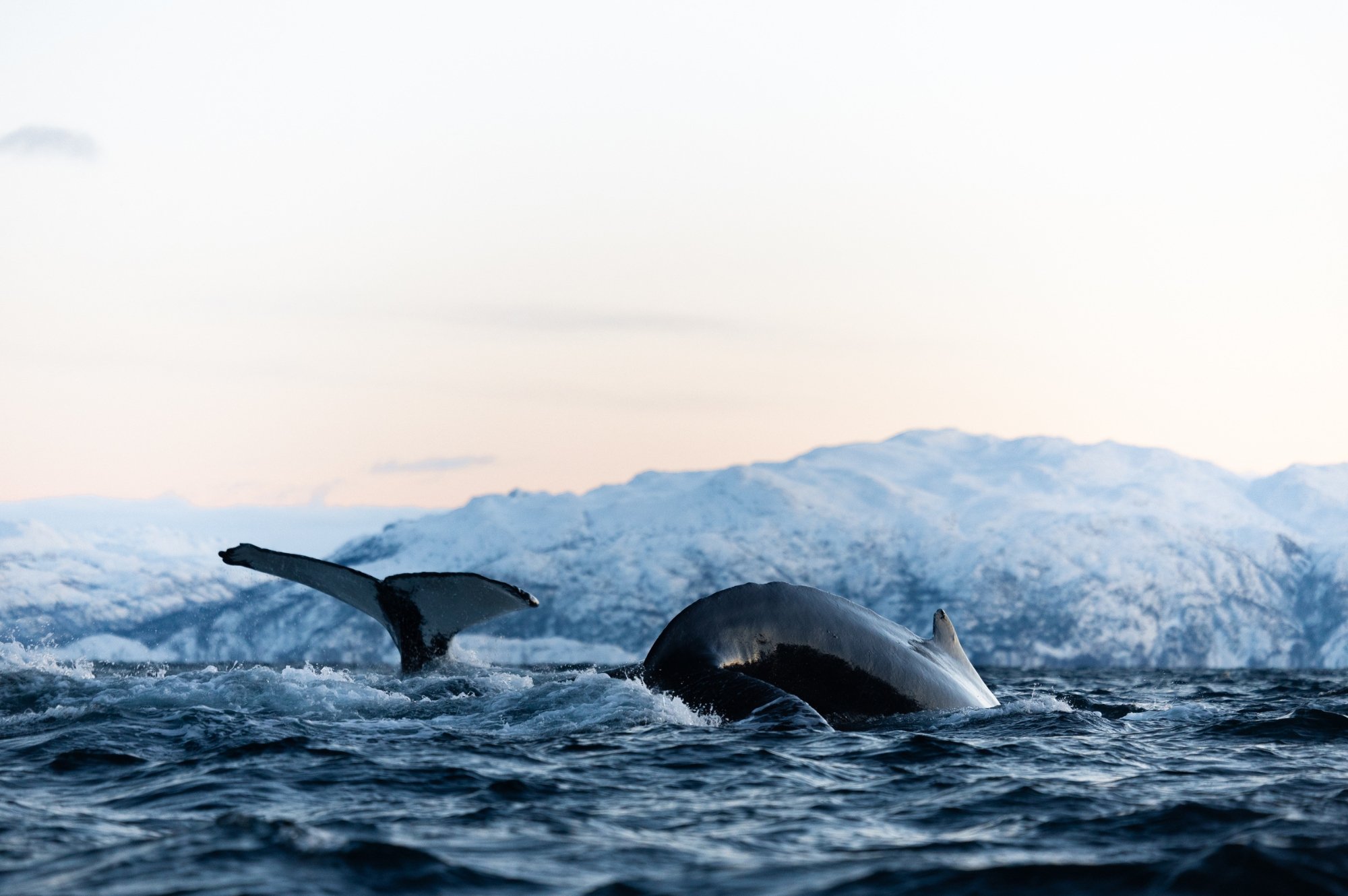
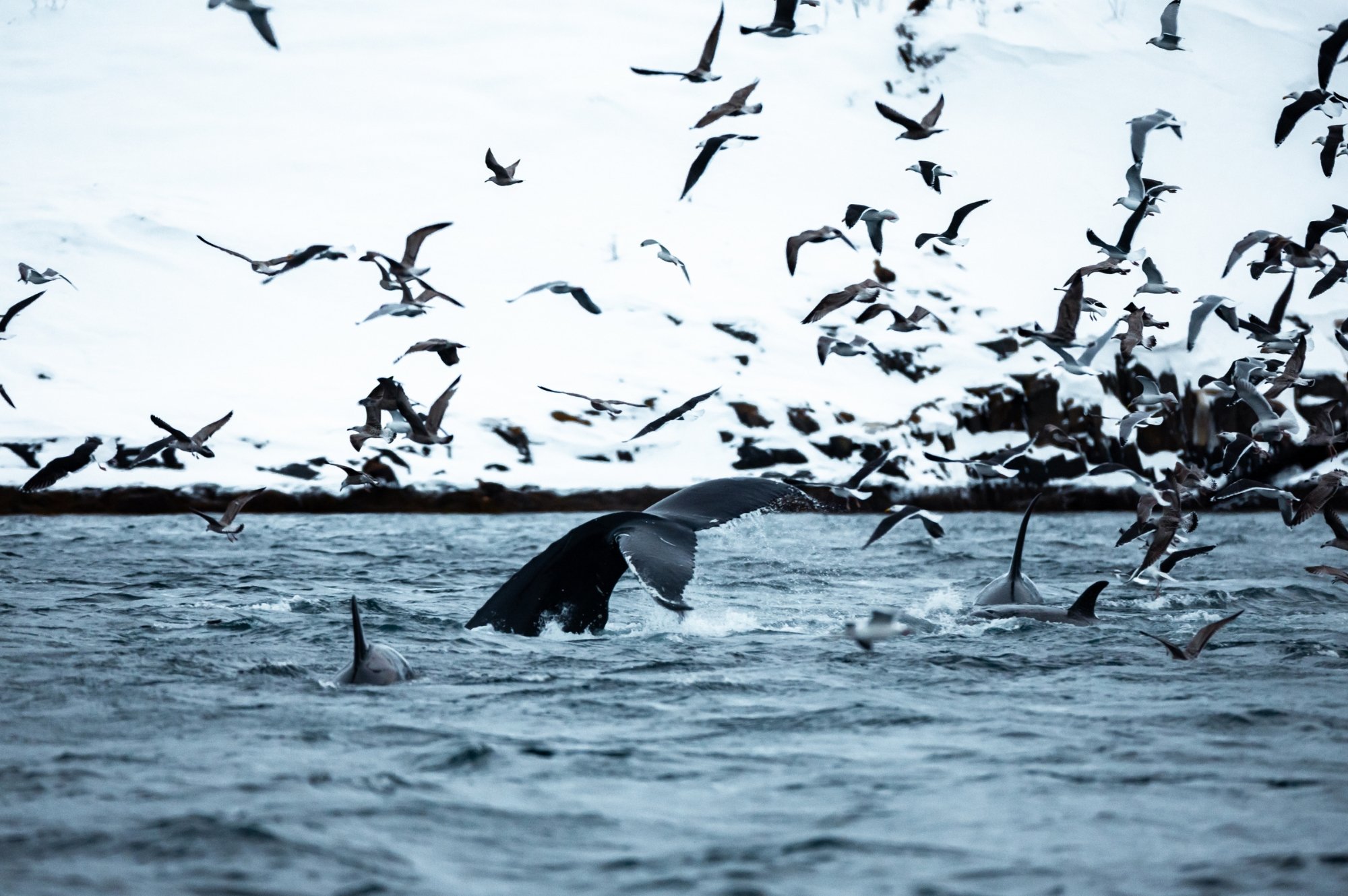
The best scenario for whale photography is a bait ball, created by the orcas. They use different techniques to create a ball out of herring, which they hunt for in the Norwegian fjords. The feeding starts once the fish is close enough to the surface, where the group of orcas can keep them together. They then target single fish, by slapping their tail fins. This paralyses the fish for a few seconds, making it an easy meal. The orcas are very much focused on feeding, a good moment for us to get a closer look. It is also very likely that humpback whales arrive at the scene, to ‘steal’ fish from the recently created bait ball. This means you might not just be surrounded by a group of up to 50 orcas but also by humpback whales that lunge right into the bait ball. In these situations, there’s so much going on, making it hard to decide what direction to point your camera. I usually try to decide on one or two angles and wait for an orca to appear in my eyesight. If one orca is coming up, you will likely see another one shortly after. It is an excellent technique to get some fantastic photos of the whales and orcas breaching out of the water.



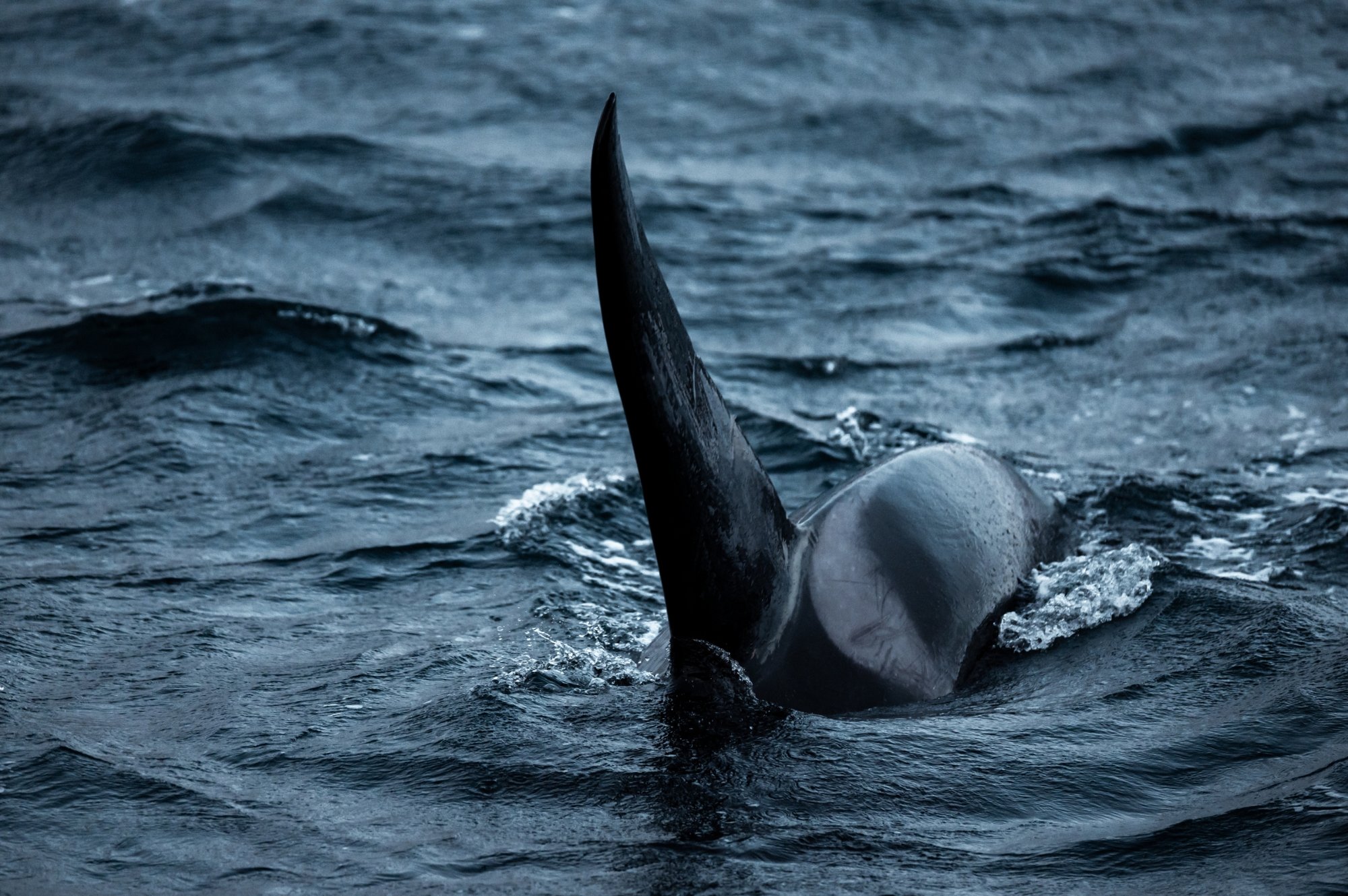

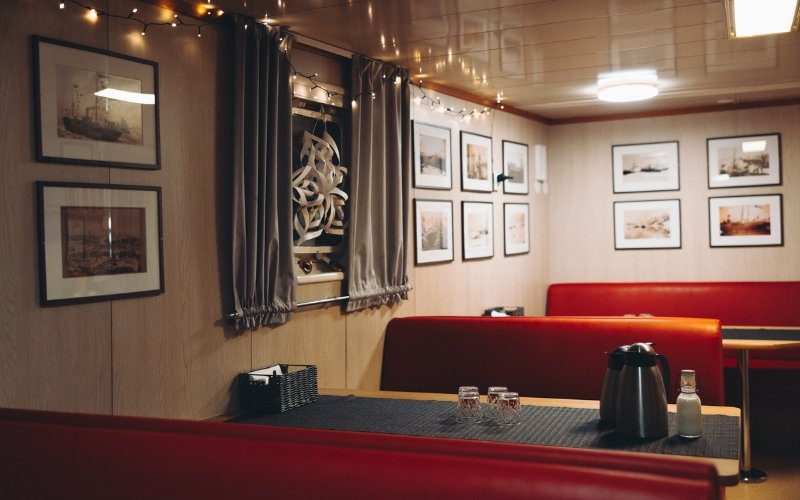
I also try to take away the camera momentarily to enjoy this unique experience through my own eyes. It is great to look back on some incredible photos and witness the power of nature in real life. Due to the limited daylight during winter in Northern Norway, you will usually head back to the ship in the early afternoon. Then it’s time for a hot shower and some lunch cooked by the fantastic onboard chef. After that, I secure my footage and have a first look at the photos I got. Maybe get some edits done before the afternoon programme starts with some lectures by the guides. It’s also an excellent opportunity to sit down with the other passengers, who most likely come from around the world. Most of the guides, crew and guests are also into photography. This makes it an excellent opportunity to chat about techniques, gear, and our overall interest in wildlife photography.
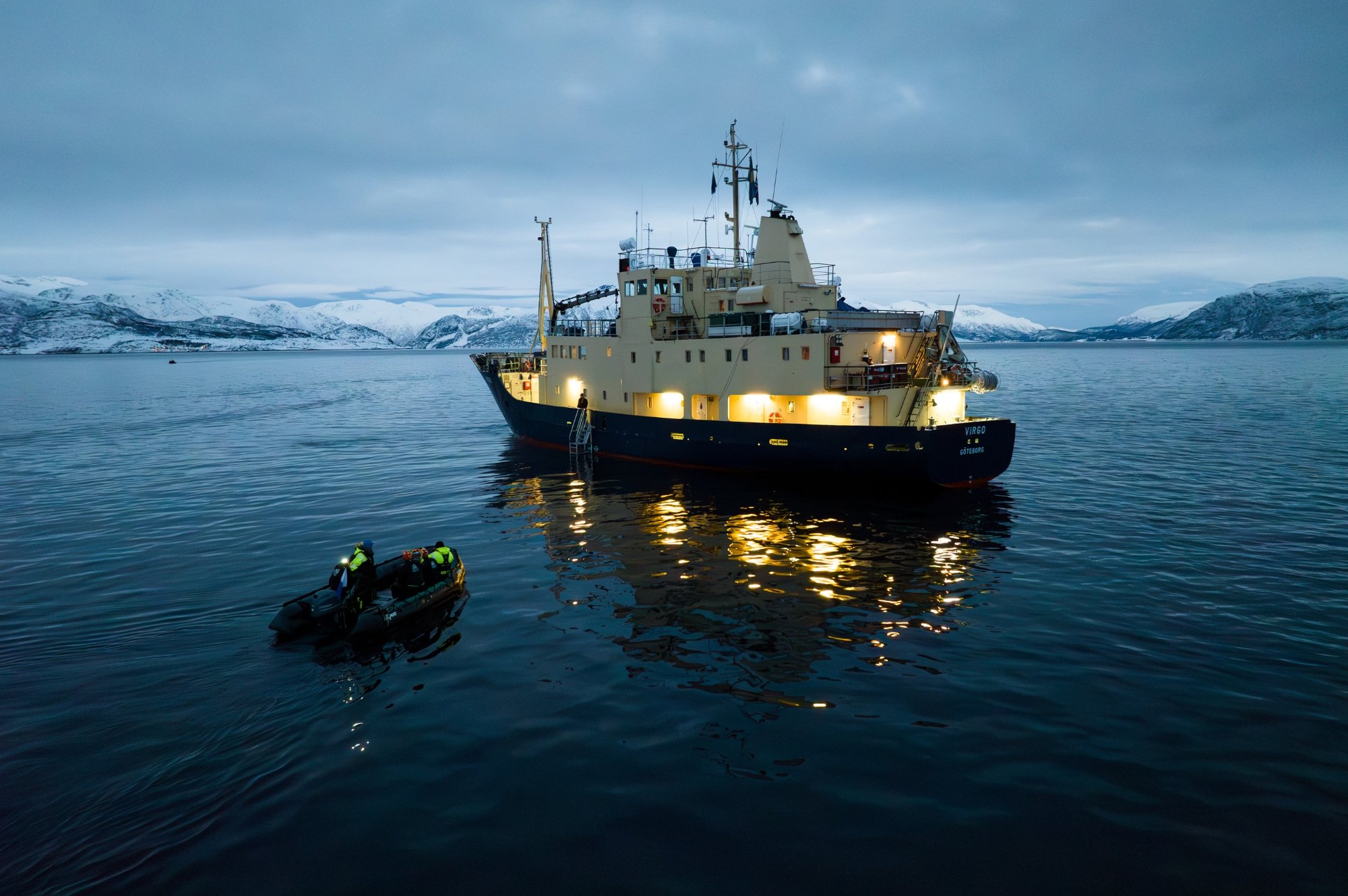
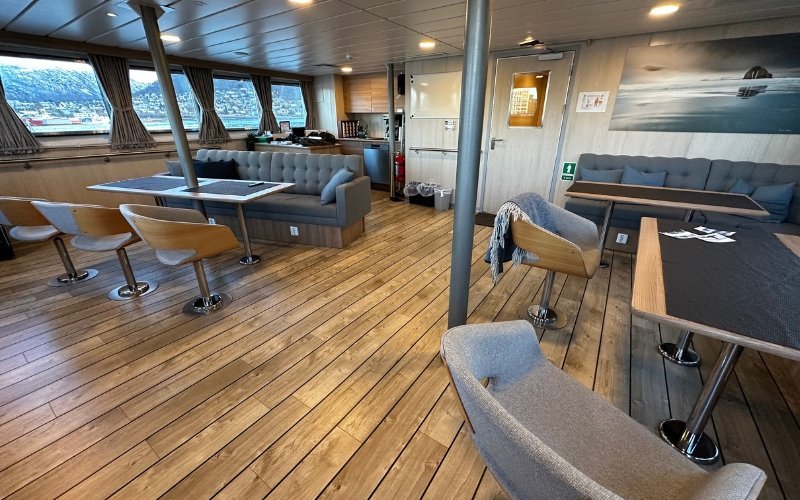
After the multi-course dinner in the evening, it’s time for the daily recap by the guides. We talk about today’s encounters and the general plan for the next day. During the dark hours, there’s plenty of time to have a drink in the lounge and play some games with the other passengers before going to bed and dreaming about the subsequent whale encounters.
This was a first-of-its-kind trip for me, and I learned a lot just by observing the other photographers or simply asking questions. But what I enjoyed most was the unknown of each day. You wake up in the morning and get your breakfast. After that, the routine takes a break, and you have no control over what the next hours will bring. It’s a challenge on the one hand, since you can’t fully prepare for what’s awaiting you, but on the other hand, it’s the true gift of coming along on an unforgettable expedition to Norway.

Winter Photography Expeditions
Still looking for your dream expedition?
Subscribe to our newsletter and be the first to see inspiring content, new expeditions and special offers. As a welcome gift, you will receive a € 250 discount voucher.
"*" indicates required fields