Antarctica
Best time to visit Antarctica
Start planning your expedition cruise to Antarctica
One of the questions we hear most often is: When is the best time to visit Antarctica? To help you decide, we turned to our polar travel experts and created a simple, easy-to-follow overview.
It’s important to know that expedition cruises to Antarctica only operate during the austral summer, roughly from November to March. But the ideal time to go really depends on what you hope to see and experience. Whether you’re dreaming of pristine white landscapes, curious penguin chicks, or dramatic sunsets, each part of the season offers something unique.
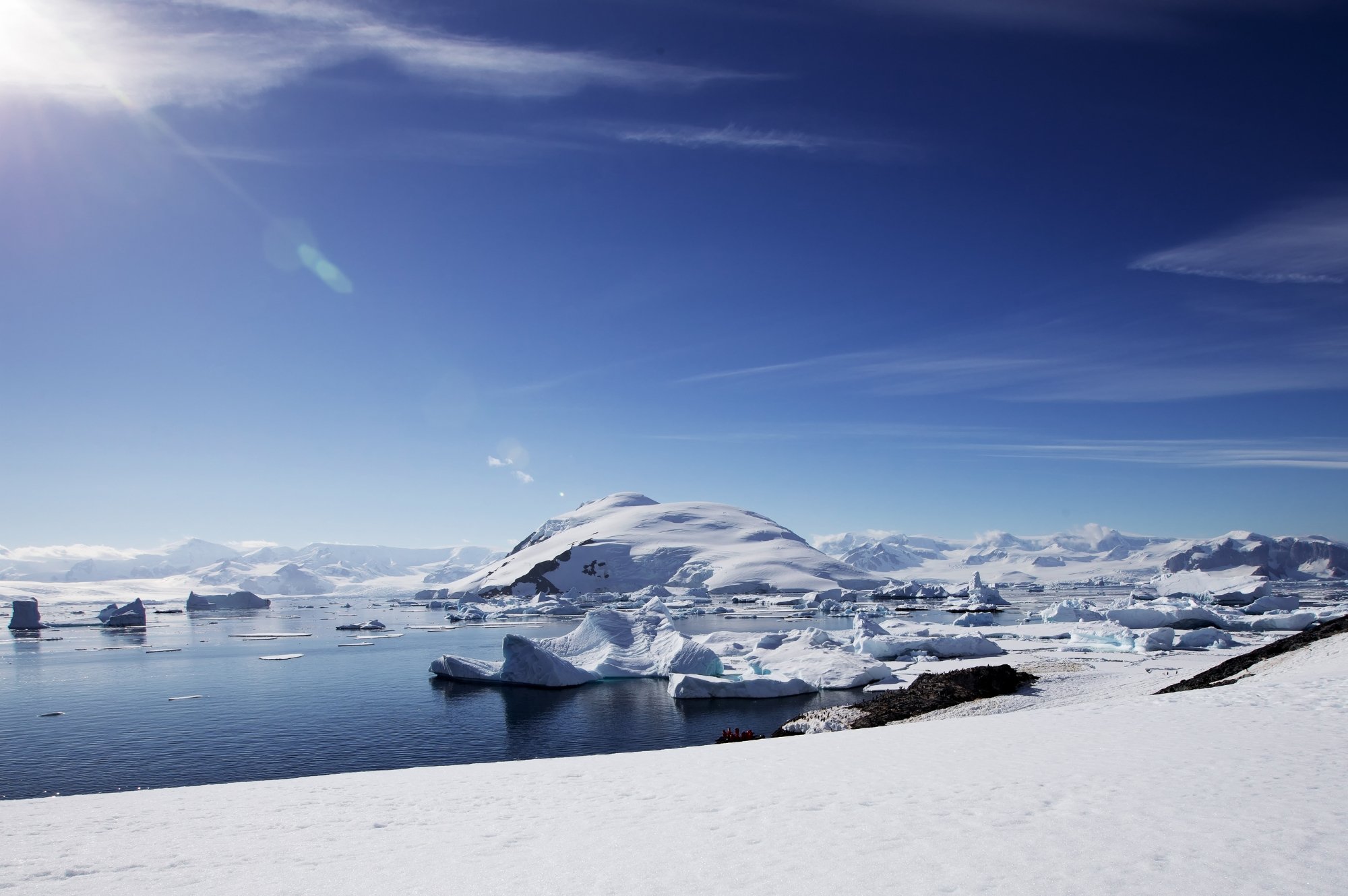
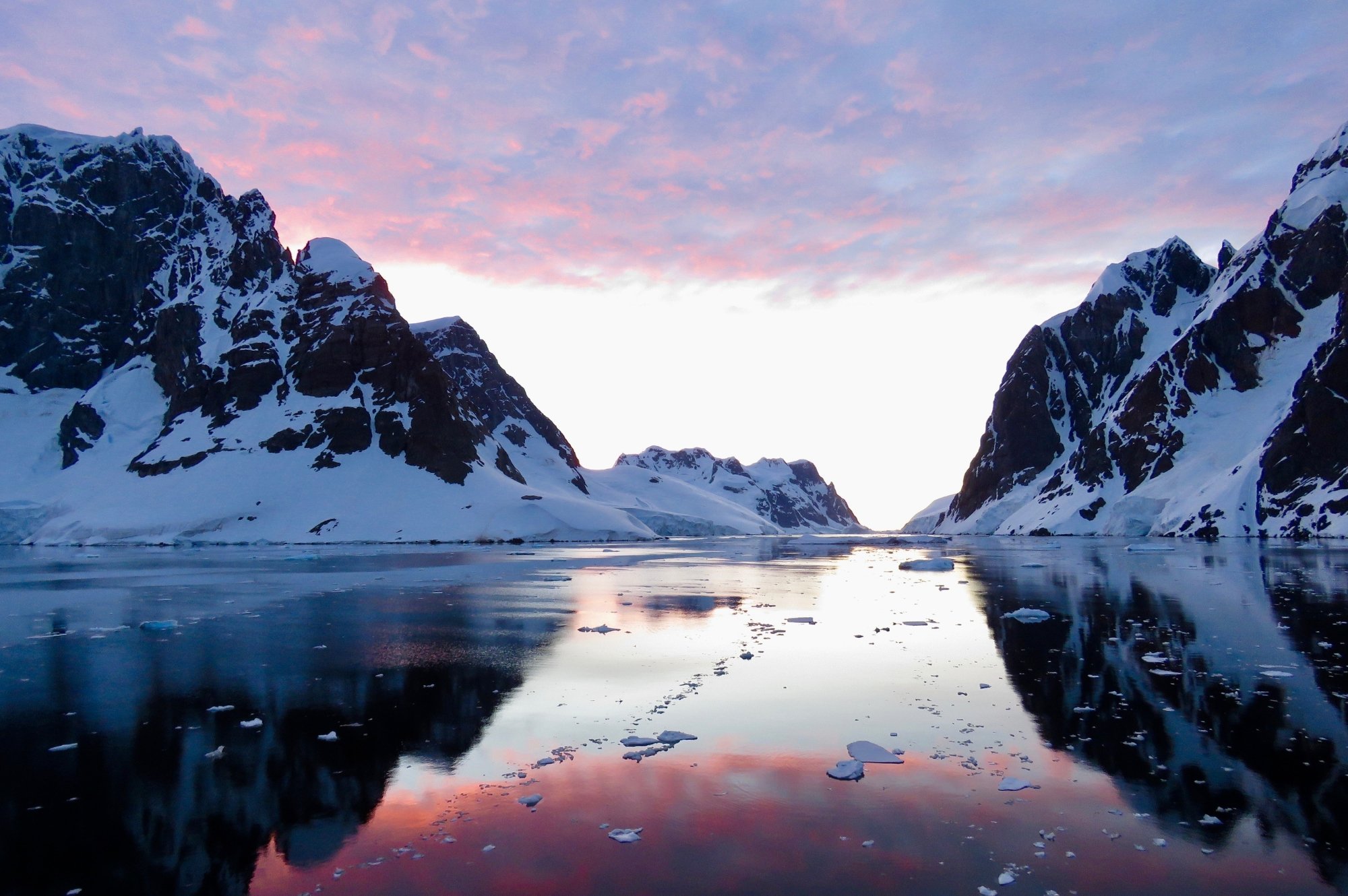
Daylight & Temperature: December and January are considered the height of summer. During these months, temperatures are usually milder, making it more comfortable for outdoor activities. At the same time, the continent experiences the “midnight sun”, with nearly 24 hours of daylight. Ample time for exploration! If you decide to travel early or late in the season, you will get a chance to witness Antarctic sunsets and sunrises. Combined with the white icebergs and glaciers this provides incredible photographic opportunities.
Accessible Terrain: Early in the season you will experience the most ‘pristine’ version of Antarctica. Landing sites will still be largely covered in snow and you’re likely to encounter lots of sea ice. This ice can however prevent you from visiting certain sites. Later in the season, the ice and snow conditions are more favorable for landings and exploration. However, as the snow melts, landing sites will become messy with mud and penguin poop everywhere.

Best time to visit Antarctica for Wildlife
Penguins, seals, whales and various seabirds are active and visible throughout the season. The best time to visit Antarctica in terms of wildlife largely depends on what specific animal behaviour you are hoping to witness.
Early season – Late October to Early December
- Penguins: many penguin species, including Adélie and chinstrap penguins, start their nesting season. Witness courtship displays and the beginning of nest-building activities.
- Seals: Weddell seals and Antarctic fur seals begin giving birth to their pups.
Mid-season – December to January
- Penguins: This is the peak of the penguin breeding season. Adélie and chinstrap penguin chicks hatch, colonies are bustling with activity.
- Seals: Seal pupping activity continues, and you may see crab-eater seals and leopard seals.
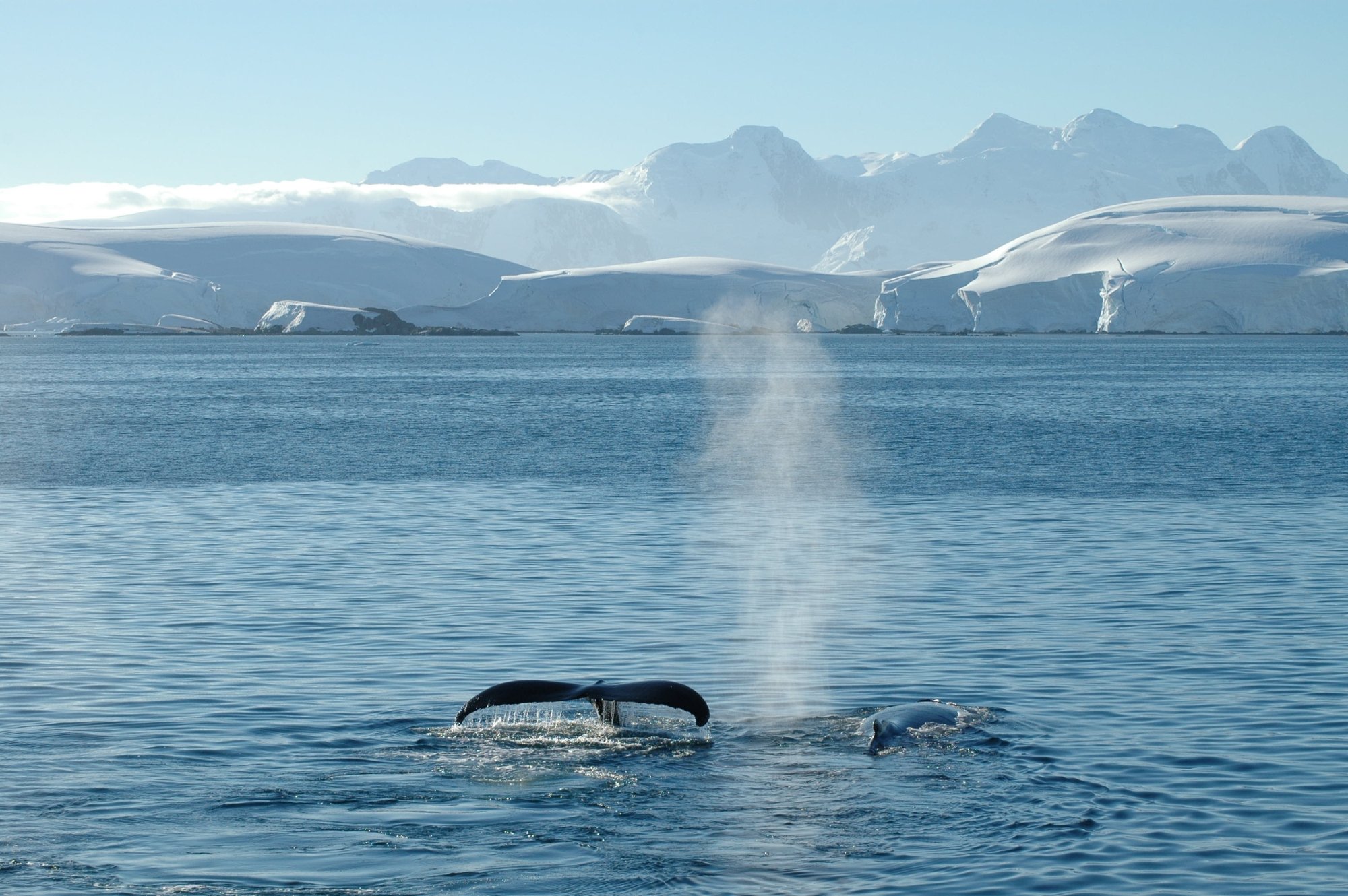
- Whales: Humpback whales and minke whales are commonly spotted during this period. January is a good time for whale watching in Antarctic waters.
Late season – February to March
- Penguins: Penguin chicks are growing rapidly, becoming more independent, and you may witness fledging activities.
- Seals: Seal pups are becoming more active and may be seen playing in the water.
- Whales: Whales, including humpbacks and minkes, continue to be present. This is also a good time for orca sightings. Towards the end of summer, some species may start their migration north.


Keep in mind that wildlife activity can vary, and the specific experiences you have will depend on factors such as the location you visit, the weather, and the particular wildlife species present in that area. Other things that might determine your best time to visit Antarctic, are pricing and the posibility to join certain activities.
Still looking for your dream expedition?
Subscribe to our newsletter and be the first to see inspiring content, new expeditions and special offers. As a welcome gift, you will receive a € 250 discount voucher.
"*" indicates required fields